
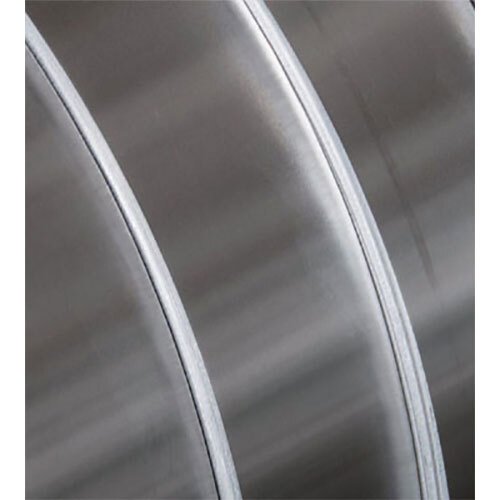
Lithium has become one of the most valuable metals in modern industry, particularly due to its role in energy storage, electronics, and advanced research. Among the various forms in which lithium is supplied, the lithium strip stands out for its versatility, high purity, and exceptional electrochemical performance. As demand for batteries and clean energy solutions continues to rise, lithium strips are increasingly sought after across multiple industries.
This article provides a complete and SEO-optimized guide to lithium strips, covering their properties, applications, manufacturing methods, advantages, safety requirements, and future market outlook.
What Is a Lithium Strip
A lithium strip is a thin, flat piece of lithium metal produced under controlled conditions to maintain purity and stability. These strips are typically manufactured in specific widths and thicknesses depending on the intended application. Due to lithium’s high reactivity with moisture and oxygen, lithium strips are commonly stored under mineral oil or sealed in vacuum or inert-gas packaging.
Lithium strips are widely used in battery manufacturing, laboratory research, chemical synthesis, and specialized industrial processes where high energy density and reactivity are essential.
Key Properties of Lithium Strip
Lithium strips possess several physical and chemical properties that make them highly valuable:
-
Extremely Lightweight: Lithium is the lightest metal, making lithium strips ideal for weight-sensitive applications.
-
High Electrochemical Potential: This allows lithium strips to efficiently store and release energy.
-
High Chemical Reactivity: Lithium reacts readily with air and water, which is useful in controlled environments.
-
Soft and Ductile: Lithium strips can be easily cut, bent, or shaped without complex machinery.
-
Good Thermal Conductivity: Supports heat transfer in energy systems and electronic components.
These properties make lithium strips powerful materials, but they also require strict handling and storage precautions.
Manufacturing Process of Lithium Strip
The production of lithium strips involves precision engineering and controlled environments to ensure safety and quality.
Lithium Refining
Lithium metal is extracted from lithium-bearing materials and refined to remove impurities. High purity is essential for battery and laboratory-grade lithium strips.
Controlled Melting
The refined lithium is melted in an oxygen-free environment to prevent unwanted reactions.
Rolling Into Thin Strips
The molten lithium is cast into solid blocks and passed through rolling mills to produce thin, uniform strips.
Cutting and Packaging
The strips are cut to precise dimensions and packaged under mineral oil or sealed containers to protect them from air and moisture.
Applications of Lithium Strip
Battery Manufacturing
Lithium strips play a critical role in energy storage systems, including:
-
Lithium-ion batteries
-
Lithium-metal batteries
-
Rechargeable and non-rechargeable power systems
These batteries are used in electric vehicles, smartphones, laptops, medical devices, and renewable energy storage solutions.
Chemical and Laboratory Applications
In laboratories, lithium strips are commonly used as strong reducing agents in:
-
Organic chemical synthesis
-
Inorganic reactions
-
Production of lithium-based compounds
Research and Development
Lithium strips are essential in scientific research for:
-
Electrochemical testing
-
Development of advanced battery materials
-
Material science and nanotechnology research
Aerospace and Specialized Industries
Due to their lightweight structure and high energy output, lithium strips are used in aerospace systems, satellites, and other high-performance applications.
Advantages of Lithium Strip
Lithium strips offer several benefits over other metal forms:
-
High energy density
-
Lightweight and compact design compatibility
-
High purity for precision applications
-
Easy customization in size and thickness
-
Reliable performance in advanced technologies
These advantages make lithium strips a preferred choice across industrial and research sectors.
Safety and Handling Guidelines
Lithium strips must be handled carefully due to their high reactivity:
-
Storage: Always store lithium strips under mineral oil or in airtight containers.
-
Avoid Moisture: Contact with water can cause fire or hazardous chemical reactions.
-
Protective Equipment: Use gloves, safety goggles, and protective clothing.
-
Controlled Environment: Handle lithium strips in dry rooms or inert atmospheres.
-
Proper Disposal: Dispose of lithium waste according to hazardous material regulations.
Strict adherence to safety protocols minimizes risks and ensures safe use.
How to Choose the Right Lithium Strip
When selecting lithium strips, consider the following factors:
-
Purity Level: Higher purity is required for batteries and laboratory applications.
-
Dimensions: Thickness and width should match your technical needs.
-
Packaging Method: Oil-packed or vacuum-sealed options improve shelf life.
-
Application Type: Industrial, research, or commercial use.
-
Supplier Reliability: Choose suppliers with strong quality control standards.
Selecting the correct lithium strip ensures optimal performance and safety.
Market Demand and Future Outlook
The global demand for lithium strips continues to grow due to the expansion of electric vehicles, renewable energy systems, and portable electronics. Advances in lithium-metal battery technology are further increasing the need for high-quality lithium strips with precise specifications.
Manufacturers are focusing on improved refining processes, safer packaging, and consistent production to meet rising global demand.
Frequently Asked Questions (FAQs)
What is a lithium strip used for
Lithium strips are used in batteries, chemical synthesis, laboratory research, and high-performance energy systems.
Is lithium strip dangerous
Yes, lithium strip is highly reactive and must be handled with proper safety precautions.
How should lithium strip be store
Lithium strip should be stored under mineral oil or in sealed containers away from air and moisture.
Why is lithium strip important in batteries
Lithium strip provides high energy density, lightweight structure, and excellent electrochemical performance.
Can lithium strip be customized
Yes, lithium strips can be manufactured in various thicknesses and widths to meet specific application requirements.
Conclusion
The lithium strip is a crucial material in modern technology, offering exceptional energy density, lightweight properties, and chemical versatility. Its applications span battery manufacturing, laboratory research, chemical synthesis, aerospace, and advanced industrial systems.
While lithium strips deliver outstanding performance, they must be handled and stored properly due to their reactive nature. Choosing the right lithium strip based on purity, dimensions, and intended application is essential for safety and efficiency. As industries continue to move toward advanced energy solutions, lithium strips will remain a key material supporting innovation and technological growth.