A sloped yard can create challenges for homeowners, from soil erosion and uneven ground to limited space for outdoor activities. A properly planned retaining wall can help manage these issues while adding structure and visual appeal to the landscape. Working with a professional retaining wall contractor Austin TX homeowners can rely on helps ensure the project considers the property’s terrain, drainage needs, and overall design.
At Twelve Point Landscaping, retaining wall projects are planned around each property’s layout and the homeowner’s goals. Whether you need to define a raised garden, improve a sloped backyard, or create more usable outdoor space, the right wall design can make a meaningful difference. With suitable materials, careful preparation, and proper drainage, a retaining wall can become both a practical landscape feature and an attractive addition to your home.
Why Retaining Walls Are Important for Austin Properties
Retaining walls are designed to hold back soil and create more stable transitions between areas with different elevations. They can help reduce soil movement on sloped properties, define raised sections, and make certain parts of a yard easier to use. Without an appropriate solution, heavy rainfall and water runoff may contribute to erosion, uneven ground, and the loss of soil from planting areas.
In addition to their practical purpose, retaining walls can improve the appearance of a landscape. They create clear boundaries between lawn areas, garden beds, patios, and elevated sections. A thoughtfully designed wall can also add depth and character to an outdoor space. The best results come from choosing a wall style that addresses the property’s needs while complementing the home’s exterior.
Custom Retaining Wall Contractor Austin TX for Your Yard
Every property has different terrain, soil conditions, and design requirements. A wall that works for a small garden bed may not be suitable for a steep slope or an area supporting additional loads. This is why retaining wall projects should begin with an evaluation of the site rather than a standard design. Measurements, elevation changes, drainage patterns, and the intended purpose of the wall all influence the plan.
When choosing a retaining wall contractor Austin TX, homeowners should look for a team that understands both the functional and visual aspects of the project. Twelve Point Landscaping considers the property’s layout, material preferences, and landscape design when planning retaining walls. Whether the goal is erosion management, a more organized backyard, or an attractive raised garden area, a customized approach helps create a solution suited to the site.
Signs Your Property May Need a Retaining Wall
Some landscape problems develop gradually and may become more noticeable after periods of heavy rain. Soil washing away from a slope, exposed roots, uneven ground, or planting beds that lose their shape can indicate that the property needs better support or grading. A retaining wall may be one possible solution, depending on the cause and severity of the issue.
Homeowners may also consider a wall when they want to make a sloped yard more functional. For example, an uneven backyard may limit the space available for a patio, lawn, or garden. A properly planned retaining structure can help create defined levels and improve how the area is used. A site assessment can help determine whether a retaining wall, drainage improvement, or another landscape solution is appropriate.
Different Types of Retaining Walls
Retaining walls can be built using several materials, each offering a different appearance and set of practical characteristics. The right choice depends on the property’s style, the wall’s purpose, the available space, and the conditions at the installation site. Comparing materials before construction helps homeowners choose an option that fits their project.
Common retaining wall options include:
- Block retaining walls: Manufactured block systems offer consistent shapes and a clean appearance for many residential landscapes.
- Natural stone walls: Stone provides natural textures and color variations that blend well with outdoor surroundings.
- Boulder walls: Large natural boulders create a rugged look and can be suitable for selected slopes and landscape designs.
- Decorative stone walls: Carefully selected stone can create an attractive feature while helping define raised landscape areas.
Each material should be selected according to the wall’s height, purpose, and site conditions. Appearance matters, but structural requirements and drainage should guide the final decision. A professional consultation can help homeowners compare options and understand what is suitable for their property.
Block Retaining Walls for a Clean, Structured Look
Block retaining walls are a popular option for homeowners who prefer a neat and consistent appearance. Manufactured blocks are available in different sizes, shapes, colors, and textures, allowing the finished wall to complement a range of home styles. They can be used to define garden beds, separate yard levels, or create structured landscape sections.
The installation process requires attention to the foundation, wall alignment, and drainage. The base must be prepared according to the wall’s design and site requirements. Blocks should be placed carefully, with suitable reinforcement or other structural measures when needed. Proper installation helps the wall perform its intended function and maintain a clean appearance over time.
Natural Stone and Boulder Retaining Walls
Natural stone retaining walls can bring a timeless character to residential landscapes. Their varied textures and earthy colors work well with planting beds, trees, gravel, and other natural materials. Homeowners who want a wall that blends into the surrounding environment may appreciate the distinctive appearance of stone.
Boulder walls offer a larger, more rugged look and can be used to create bold landscape features. Their placement should be carefully planned to suit the slope, wall purpose, and surrounding design. Because natural materials vary in size and shape, installation requires thoughtful positioning and preparation. Twelve Point Landscaping offers natural stone and boulder wall options for homeowners looking to combine practical landscape support with an organic appearance.
Drainage Planning for Long-Lasting Wall Performance
Drainage is one of the most important considerations in retaining wall construction. Water can collect behind a wall after rainfall, increasing pressure on the structure. If water cannot move away properly, the wall may experience movement, damage, or other performance problems. For this reason, drainage should be included in the planning process rather than treated as an optional finishing detail.
Depending on the property’s conditions, a drainage plan may include suitable backfill materials, drainage stone, perforated pipe, and an outlet that allows water to move away from the wall. Surface grading should also be considered so runoff does not collect in unwanted areas. The right approach depends on the site’s soil, slope, wall design, and water movement. Proper drainage planning supports the long-term stability of the finished installation.
How Retaining Walls Help Manage Soil Erosion
Soil erosion can affect the appearance and usability of a yard. Rainwater flowing down a slope may carry soil, mulch, and small landscape materials into lower areas. Over time, this movement can expose roots, damage planting beds, and create uneven sections that are difficult to maintain.
A retaining wall can help hold soil in place and create a more defined landscape structure. However, a wall should be designed according to the actual site conditions and combined with appropriate drainage and grading when necessary. Planting can also help improve the appearance of the area around the wall. Ground covers, shrubs, and other suitable greenery may soften the structure while complementing the overall landscape.
Creating More Usable Space With Retaining Walls
Sloped yards sometimes contain areas that homeowners rarely use because the ground is difficult to navigate or arrange. A retaining wall can help create level or terraced sections where suitable, opening up possibilities for patios, garden beds, lawn areas, or outdoor seating. The design should consider how each section will connect with the rest of the property.
For example, a raised planting area can add depth to a backyard, while a wall beside a patio may help define the outdoor living space. Multiple levels can also create visual interest when designed carefully. The goal is to improve functionality without making the landscape feel disconnected. Combining retaining walls with walkways, paver patios, and planting beds can create a more complete outdoor environment.
Combining Retaining Walls With Other Landscaping Features
Retaining walls are often part of a larger landscape improvement project. They can be coordinated with paver patios, stone walkways, planting beds, sod installation, and decorative borders. When these features are planned together, the yard can have a more consistent appearance and better use of available space.
Homeowners planning a backyard renovation may benefit from considering the entire layout before construction begins. A patio might need a supporting wall nearby, while a walkway could connect the patio to a raised garden. Twelve Point Landscaping provides landscaping and hardscaping services that allow these improvements to be considered as part of one coordinated project. This approach can help homeowners create an outdoor space where every feature has a clear purpose.
The Retaining Wall Installation Process
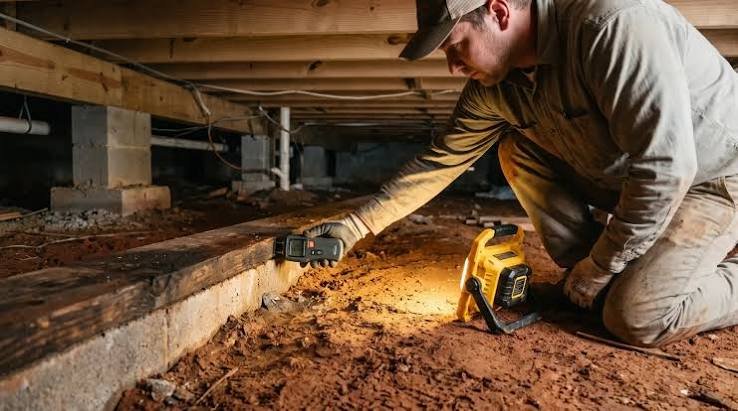
A successful retaining wall project starts with understanding the property and the purpose of the structure. During the initial consultation, the contractor reviews the slope, available space, homeowner preferences, and any visible drainage or erosion concerns. Measurements and site conditions help determine the proposed wall location, material, and project scope.
Twelve Point Landscaping follows a process that includes an on-site consultation, design and planning, professional installation, and a final walkthrough. Installation may involve excavation, foundation preparation, wall construction, and drainage work, depending on the project. The company’s website notes that retaining wall construction typically takes around three days to one week, although the actual schedule depends on the size and complexity of the job.
- Site assessment: Review the terrain, measure the proposed area, and discuss the project’s purpose.
- Design and material selection: Choose a suitable wall type and plan the layout according to site conditions.
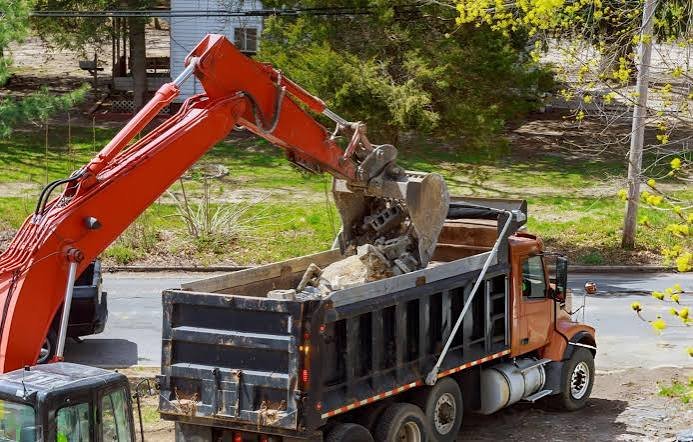
- Preparation and construction: Complete excavation, foundation work, wall installation, and planned drainage features.
- Final walkthrough: Review the completed work and discuss any remaining questions.
Before construction begins, homeowners should review the estimate and confirm what the project includes. It is also useful to discuss access, material choices, expected timing, and any permitting requirements that may apply. Clear communication helps keep the project organized from the initial visit through completion.
What to Consider Before Hiring a Retaining Wall Contractor
Choosing a contractor is an important decision because retaining walls must meet practical requirements as well as design expectations. Homeowners should ask how the contractor evaluates site conditions, plans drainage, selects materials, and prepares the foundation. These details provide a better understanding of the proposed solution than appearance or price alone.
It is also helpful to review the written estimate and project scope carefully. Make sure the proposed work explains the wall materials, preparation, drainage provisions, and expected timeline. Depending on wall height, location, and local regulations, permits or engineering plans may be required. A contractor should be able to discuss these considerations and help identify the next steps before work begins.
Why Choose Twelve Point Landscaping?
A retaining wall should be planned as part of the property’s overall landscape rather than treated as an isolated structure. Homeowners benefit from working with a team that considers the wall’s purpose, material selection, drainage, and relationship to nearby outdoor features. A clear process also makes it easier to understand the work and make decisions before installation.
Twelve Point Landscaping designs and builds retaining walls for homeowners in Austin and nearby Central Texas communities. Available options include block, natural stone, and boulder walls, with attention to property layout, drainage, and the desired appearance. The company also offers paver patios, landscaping, site preparation, and other hardscaping improvements. Homeowners can request a free estimate and discuss their project with the team before deciding how to proceed.
Retaining Wall Services in Austin and Nearby Communities
Local conditions play an important role in retaining wall design. Soil composition, slope, rainfall, and drainage patterns can vary between properties, even within the same area. Evaluating these conditions helps determine the appropriate wall type and preparation requirements. A solution should be developed for the specific site rather than based only on a general design.
Twelve Point Landscaping serves Austin and surrounding communities, including Cedar Park, Leander, Round Rock, West Austin, Four Points, Lakeway, River Place, Steiner Ranch, Bee Cave, and the Lake Travis area. Homeowners in these locations can arrange a consultation to discuss erosion concerns, uneven terrain, raised planting areas, or plans for a larger backyard renovation. The team can review the property and provide an estimate based on the proposed work.
Conclusion
A retaining wall can help manage sloped ground, reduce soil movement, and create more organized outdoor spaces. From block and natural stone structures to boulder walls, the right option depends on the property’s terrain, design preferences, and functional requirements. Proper foundation preparation and drainage planning are essential parts of a well-considered installation.
If you are looking for a retaining wall contractor Austin TX, Twelve Point Landscaping can help you explore suitable options for your property. Whether you need support for a sloped yard, a defined garden area, or a retaining wall as part of a full backyard renovation, the team can guide you through planning and installation.