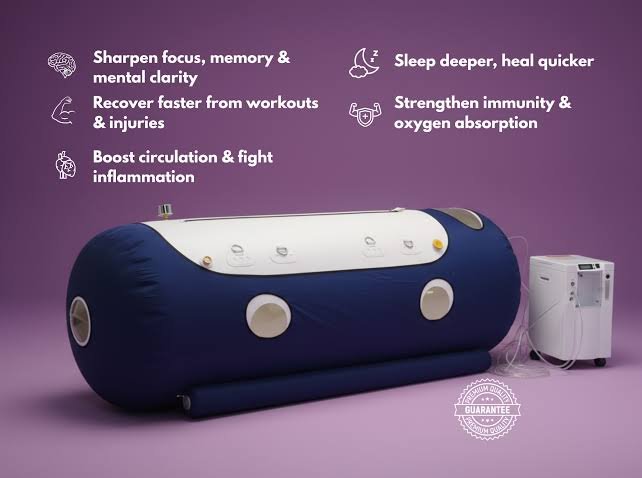
Choosing to buy hyperbaric chamber equipment is a decision that deserves careful research, especially when comparing different designs, technical specifications, and advertised benefits. Buyers should understand how these systems work, what features distinguish one model from another, and which safety requirements deserve attention. Warrior Willpower encourages customers to explore available options with realistic expectations and a focus on reliable product information.
When you plan to buy hyperbaric chamber equipment, it is important to look beyond product photographs and promotional descriptions. Construction, operating pressure, oxygen delivery, included accessories, manufacturer support, and regulatory status can all influence whether a particular model meets its stated purpose. Understanding these factors before making a purchase can help you compare products more confidently and avoid misleading claims.
Understanding Hyperbaric Chamber Technology
Hyperbaric chambers are enclosed systems designed to increase the pressure of the surrounding environment above normal atmospheric pressure. In clinical hyperbaric oxygen therapy, patients breathe a prescribed concentration of oxygen while inside a specially designed chamber. This treatment is used for specific medical conditions under appropriate professional supervision.
Not every product marketed as a hyperbaric chamber provides the same operating conditions. Some consumer products are designed for relatively low-pressure environments, while clinical systems may operate at different pressures and use controlled oxygen-delivery arrangements. These differences are important because a product’s construction and pressure rating alone do not establish its clinical effectiveness or suitability for a medical purpose.
Exploring Different Chamber Designs
Chambers are generally available in different structural configurations, including soft-shell and hard-shell designs. Soft-shell models use flexible materials and are commonly promoted for their compact construction. Hard-shell models use rigid structures and may be engineered for different operating conditions. Each design has its own space requirements, installation considerations, and technical limitations.
The preferred configuration depends on the product’s intended application and verified specifications. Some models are designed for lying positions, while others offer a seated arrangement. Buyers should consider accessibility, internal dimensions, entry design, and the manufacturer’s operating instructions. A particular design should not be considered safer or more effective simply because it looks more convenient.
Important Features to Review Before Purchasing
Product specifications provide the foundation for a responsible comparison. Before making a decision, request documentation for the exact model being considered. Confirm that the information describes the actual configuration being sold rather than a different version or optional upgrade.
Important features to examine include:
- Construction materials: Review the chamber’s materials, seams, closures, structural components, and overall design.
- Internal dimensions: Check the usable space, entry arrangement, and whether the configuration meets practical accessibility needs.
- Pressure specifications: Confirm the manufacturer’s permitted operating range and pressure-control requirements.
- Air supply equipment: Identify the compressor, filtration components, and other required supporting systems.
- Oxygen equipment: Determine whether an oxygen concentrator is included and whether it is approved for the exact chamber configuration.
- Safety components: Review pressure gauges, relief valves, communication systems, and emergency procedures.
- Warranty and support: Ask about technical assistance, maintenance, replacement parts, and service coverage.
A clear product listing should distinguish standard equipment from optional accessories. If a package advertises a compressor, cooling unit, oxygen concentrator, or pressure-monitoring equipment, request written confirmation of what is included. This helps prevent unexpected costs and misunderstandings about the complete setup.
Comparing Soft-Shell and Hard-Shell Models
Soft-shell chambers may attract attention because their flexible construction can make them easier to position or transport than some rigid systems. However, flexible materials do not automatically make a chamber safe, durable, or appropriate for every application. Buyers should investigate the manufacturer’s engineering documentation, operating limits, and safety instructions before considering this type of equipment.
Hard-shell chambers generally feature rigid structures and may be designed for different pressure requirements. Their dimensions, access arrangements, installation needs, and supporting equipment vary by model. Neither construction category is universally suitable. The most important consideration is whether the exact product is properly designed, documented, and authorized for its intended purpose.
Understanding Pressure Ratings and Oxygen Delivery
Pressure is often expressed in atmospheres absolute, or ATA. Product descriptions may advertise different pressure ranges, but a higher pressure rating does not automatically mean better performance or improved safety. Buyers should confirm the approved operating limits in the manufacturer’s documentation and understand what the stated rating actually represents.
Oxygen delivery requires equally careful attention. A chamber that uses compressed air is not necessarily equivalent to a clinical system that delivers a prescribed oxygen concentration. The Undersea & Hyperbaric Medical Society explains that low-pressure fabric chambers have important limitations and should not automatically be considered clinical hyperbaric oxygen therapy equipment. Buyers should verify the exact model’s intended use and regulatory status instead of relying on general product descriptions.
Safety Standards and Responsible Equipment Selection
Safety should be one of the first considerations when evaluating pressurized equipment. Hyperbaric systems require appropriate construction, operating procedures, maintenance, and supporting equipment. Oxygen-rich environments can also create serious fire hazards, making correct equipment handling and environmental controls essential.
The U.S. Food and Drug Administration issued a safety communication on August 25, 2025, reminding healthcare providers and facilities to follow manufacturer instructions, maintain fire-prevention procedures, provide appropriate training and supervision, and complete recommended maintenance and safety checks. The FDA also highlighted the importance of grounding equipment and avoiding prohibited electrical or static-generating items.
Before making a purchase, consider these precautions:
- Request the complete operating manual and technical documentation.
- Verify that the product is designed for its stated application.
- Confirm applicable regulatory clearances and safety standards for the exact model.
- Understand fire-prevention measures and emergency procedures.
- Review restrictions involving clothing, electrical devices, and other chamber contents.
- Confirm inspection, cleaning, and maintenance requirements.
- Seek professional advice before considering use for a medical concern.
The Undersea & Hyperbaric Medical Society has also warned consumers about non-compliant chamber products and emphasized that flexible construction does not remove applicable safety requirements. Its guidance highlights the importance of checking the engineering and safety documentation rather than relying on a seller’s general assurances.
Medical Applications Versus General Wellness Claims
Clinical hyperbaric oxygen therapy is a specialized medical treatment used for particular indications. It involves defined treatment conditions and appropriate professional oversight. Equipment marketed for general wellness may have different operating characteristics and should not be assumed to provide equivalent treatment.
Buyers should evaluate promotional statements carefully. Claims involving recovery, circulation, energy, or other health outcomes should be supported by reliable evidence relevant to the exact device and its intended application. Research involving a professionally operated clinical system cannot automatically be applied to every consumer product.
Anyone considering pressurized equipment for a health condition should speak with a qualified healthcare professional. A clinician can explain whether an established treatment is appropriate and whether a specific device has a recognized role. Purchasing equipment should never replace medical assessment, delay prescribed treatment, or encourage someone to change an existing care plan.
Comparing Prices and Complete Equipment Packages
The cost of a chamber can vary according to construction, dimensions, pressure specifications, accessories, manufacturer, shipping arrangements, and technical support. The advertised price may not include every component needed for the listed configuration. Installation, maintenance, replacement parts, and service arrangements can also affect the total cost.
Request an itemized quotation before comparing offers. Confirm whether the price includes the main chamber, compressor, cooling equipment, monitoring components, delivery, setup assistance, and warranty coverage. Ask whether any accessories shown in promotional photographs are optional purchases rather than standard package items.
Long-term support deserves attention alongside the initial price. A seller should be able to explain how customers can obtain replacement parts, technical assistance, and maintenance information. If important operating specifications or safety details are unavailable, it is sensible to pause the purchasing process until the information is verified.
Questions to Ask the Manufacturer or Seller
A conversation with the manufacturer or authorized seller can help clarify details that may not appear on a product page. Ask for the exact model number, technical manual, intended-use statement, operating limits, and a complete list of included accessories. Written answers make it easier to compare different products and review the information later.
You should also ask who provides technical support, how maintenance is handled, and what the warranty covers. If a seller claims that a model has regulatory clearance or meets a specific engineering standard, request the supporting documentation. Verify that it applies to the exact model and configuration rather than assuming that a statement about the brand covers every product.
Exploring Available Options with Warrior Willpower
Warrior Willpower provides customers with an opportunity to explore chamber options and review product information before making a decision. Understanding the differences between configurations, construction materials, dimensions, and included accessories can make the comparison process more straightforward. Clear specifications are especially useful when evaluating products with similar appearances but different technical characteristics.
Customers should also consider manufacturer support, intended-use information, and applicable safety requirements. For any proposed medical application, professional guidance is essential. Taking time to review documentation and verify important details can help buyers develop realistic expectations and make a more responsible decision.
Conclusion
Purchasing pressurized chamber equipment requires more than selecting a design or comparing advertised prices. Construction, operating limits, oxygen delivery, safety systems, regulatory status, and ongoing support all deserve careful attention. Buyers should verify the exact model’s specifications and intended purpose before moving forward.
Warrior Willpower encourages informed product research and realistic expectations when exploring available options. By reviewing technical documents, comparing complete packages, and consulting qualified professionals when medical use is being considered, customers can make more responsible purchasing decisions. Safety and accurate information should always take priority over promotional claims or convenience.