
Choosing the Right Analytical Weighing Equipment for Laboratories in Pune
Accurate measurement is a critical requirement in pharmaceutical laboratories, chemical testing facilities, research institutions, and manufacturing environments. Organisations looking for a reliable Analytical balance in Pune should understand the importance of selecting an instrument that delivers consistent measurements for their specific applications. Analytical balances are designed for highly precise weighing and are commonly used when small differences in mass can influence testing outcomes, product quality, or scientific research. Choosing the right equipment involves evaluating readability, weighing capacity, repeatability, calibration features, and operating conditions. A suitable balance can support dependable laboratory procedures and improve measurement consistency.
Understanding Analytical Balance Technology
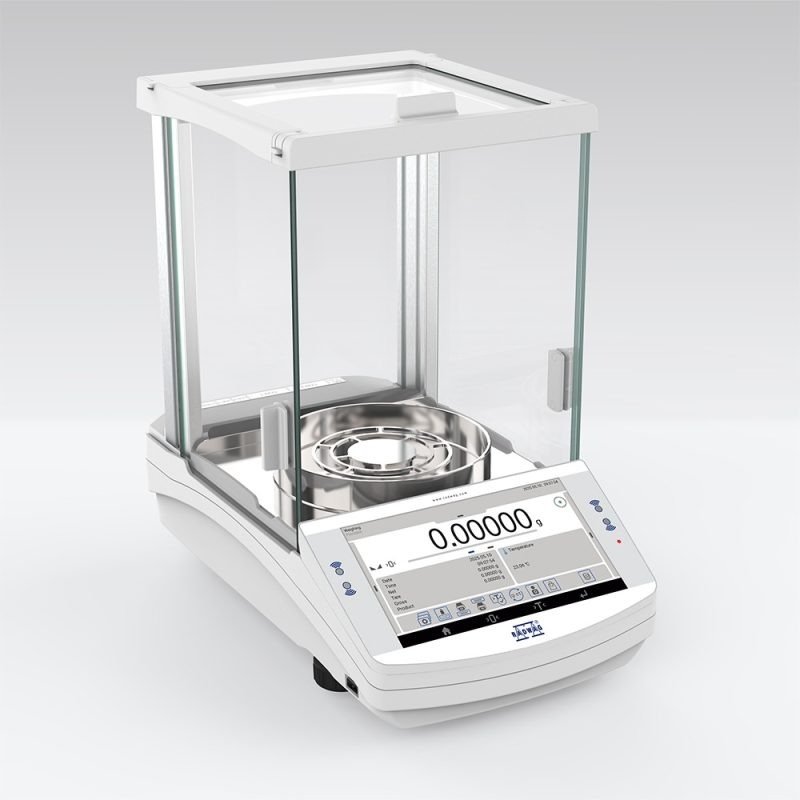
An analytical balance is a precision weighing instrument designed to measure relatively small masses with a high level of accuracy. Many models include a protective draft shield that helps reduce the influence of air movement during weighing. These instruments are widely used in pharmaceutical research, chemical analysis, educational laboratories, material testing, and quality control departments. Depending on the model, features may include internal or external calibration, digital displays, adjustable settings, and data connectivity. Analytical balances are available with different capacities and readability levels, allowing laboratories to select equipment according to their measurement requirements. Reviewing the manufacturer’s specifications is essential before choosing a suitable model.
Growing Demand for Analytical Balances in Pune
Pune is an important centre for pharmaceuticals, biotechnology, engineering, automotive manufacturing, chemical industries, and scientific education. These sectors require dependable laboratory instruments for research, testing, raw material evaluation, and quality assurance. Industrial areas such as Chakan, Bhosari, Pimpri-Chinchwad, Talegaon, Hinjawadi, and nearby locations have diverse requirements for weighing equipment. Pharmaceutical and chemical laboratories may use analytical balances for sample preparation and testing, while research institutions require accurate instruments for scientific experiments. Selecting a balance that matches the application helps organisations maintain consistent measurement procedures and support efficient laboratory operations.
Applications Across Different Laboratory Environments
Analytical balances are used in many applications where precise mass measurements are necessary. Pharmaceutical laboratories may use them for weighing ingredients, preparing samples, and conducting analytical procedures. Chemical testing facilities rely on suitable balances for measuring compounds and preparing laboratory solutions. Educational institutions use analytical weighing equipment for experiments and practical training, while research centres may require it for material evaluation and specialised investigations. Food testing and quality control laboratories can also use analytical balances for sample preparation and testing activities. The appropriate instrument depends on the sample quantity, required readability, measurement tolerance, and operating procedure.
Important Features to Consider Before Purchasing
Selecting an analytical balance requires careful evaluation of its technical specifications. Capacity determines the maximum mass the instrument can measure, while readability indicates the smallest displayed increment. Repeatability is important because it reflects how consistently the balance produces results when the same sample is weighed under similar conditions. Buyers should also examine linearity, stabilisation time, calibration methods, weighing pan dimensions, and display functionality. Additional features such as internal adjustment, data connectivity, and user management may support specific laboratory workflows. Comparing these specifications with actual weighing requirements helps organisations choose an instrument that is suitable for their daily operations.
Importance of Proper Installation and Environmental Conditions
Analytical balances are sensitive instruments, so their installation environment can influence measurement performance. They should be placed on stable, level surfaces away from vibration, direct airflow, and frequent movement. Temperature fluctuations, humidity changes, and static electricity may also affect weighing results. Laboratories should follow manufacturer instructions regarding installation, levelling, warm-up time, and operating conditions. The protective draft shield should be used correctly, and samples should be handled carefully to avoid contamination or unnecessary temperature differences. Maintaining a clean weighing area and following consistent operating procedures can help improve measurement stability.
Calibration and Routine Verification
Calibration and routine verification are important for maintaining confidence in analytical weighing results. Calibration evaluates the balance against suitable reference standards, while verification helps determine whether the instrument continues to operate within established limits. The selection of reference weights should match the balance’s capacity, accuracy requirements, and applicable procedures. Laboratories should follow manufacturer recommendations and relevant quality standards when planning calibration activities. Maintaining records of calibration, verification, maintenance, and corrective actions supports measurement traceability. The frequency of calibration should be determined by usage, environmental conditions, internal quality systems, and applicable regulatory requirements.
Role in Pharmaceutical and Chemical Quality Control
Pharmaceutical and chemical industries depend on accurate weighing throughout research, testing, and production-related activities. Analytical balances can support raw material evaluation, sample preparation, formulation research, and laboratory quality checks. Reliable weighing helps laboratory personnel follow established procedures and maintain consistency between measurements. In chemical laboratories, suitable balances are important for preparing samples and conducting controlled experiments. However, accurate results depend on more than the instrument alone. Environmental management, calibration, trained operators, appropriate sample handling, and documented procedures all contribute to measurement reliability. Choosing equipment according to the intended application helps support effective quality management.
Selecting the Right Analytical Balance for Your Requirements
Before purchasing an analytical balance, organisations should identify their expected workload and measurement needs. Important factors include maximum capacity, required readability, sample characteristics, daily weighing frequency, installation space, and operating environment. Buyers should also review calibration options, data transfer capabilities, technical support, spare parts availability, warranty conditions, and maintenance requirements. Different laboratory applications may require different balance specifications, so selecting equipment based only on price or appearance can lead to unsuitable choices. Comparing manufacturer documentation and consulting technical specialists can help buyers identify an appropriate instrument for their laboratory procedures.
Maintenance for Consistent Long-Term Performance
Regular maintenance helps analytical balances provide dependable measurements over time. Users should clean the weighing pan and surrounding surfaces according to manufacturer recommendations. Dust, chemical residue, and spilled samples should be removed using suitable cleaning methods. The instrument should be inspected periodically for signs of damage, instability, or unusual readings. Calibration and servicing should be planned according to the laboratory’s procedures and equipment usage. Operators should also receive training in proper sample handling, instrument settings, and weighing techniques. Consistent care helps reduce avoidable measurement problems and supports the long-term performance of laboratory equipment.
Supporting Reliable Laboratory Operations in Pune
Analytical balances are valuable instruments for scientific research, pharmaceutical testing, chemical analysis, and industrial quality control. Laboratories in Pune can improve their measurement processes by selecting equipment that matches their applications and maintaining it through proper installation, calibration, and routine care. Understanding technical specifications and environmental requirements makes it easier to choose a suitable weighing instrument. With trained personnel and documented operating procedures, organisations can support accurate measurements, consistent testing, and dependable quality control. A carefully selected analytical balance can become an important part of an effective laboratory measurement system.