
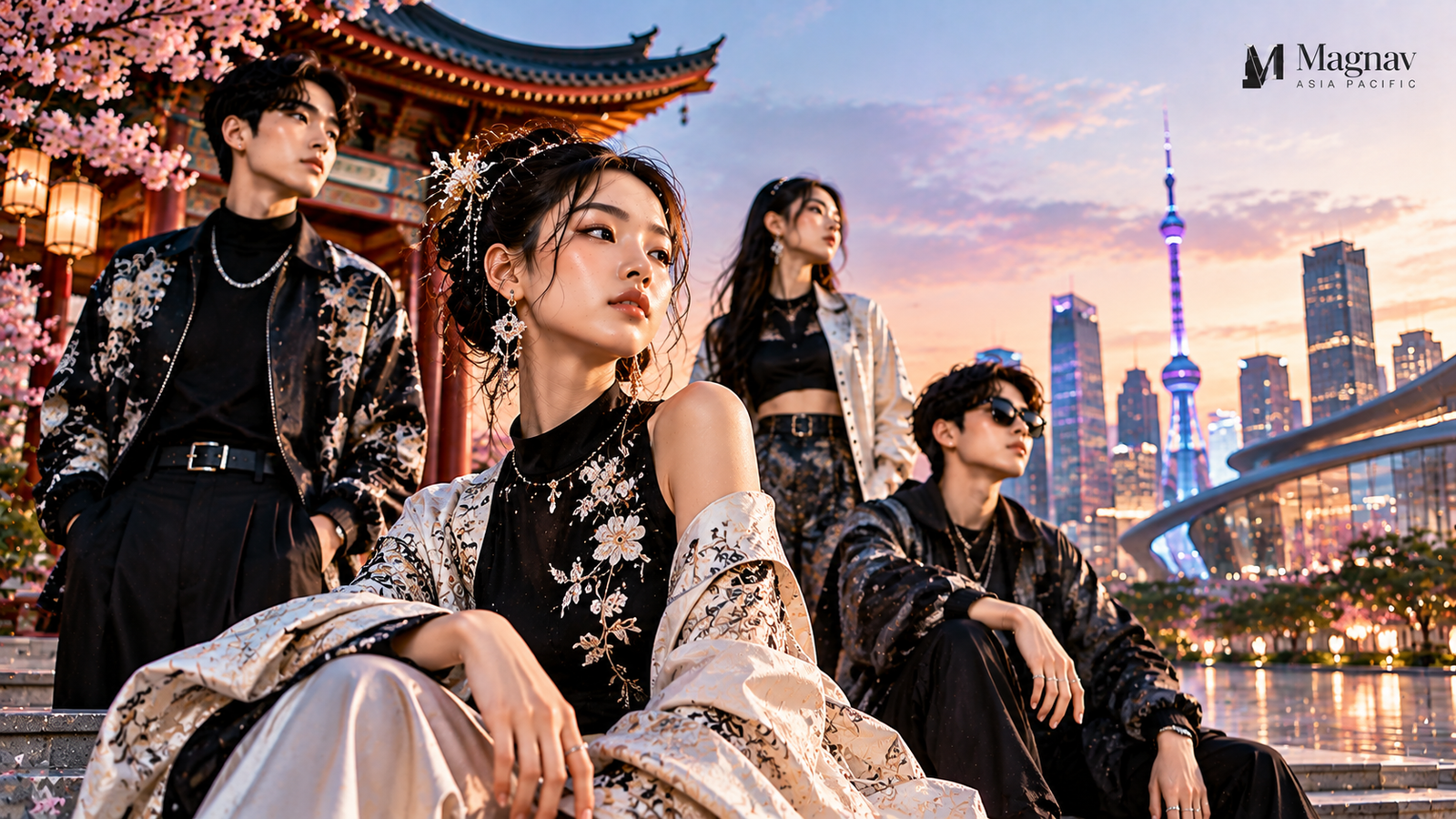
Fashion is changing as younger audiences grow up surrounded by social media, online entertainment, digital shopping, and international creative communities. Their relationship with clothing is influenced not only by designers and established brands but also by creators, musicians, gaming platforms, and visual content. This shift is creating new opportunities for the Asian fashion industry, particularly as younger consumers develop their own ideas about identity, comfort, creativity, and personal expression.
The growing conversation around generation alpha fashion reflects an important change in how the next generation may interact with clothing and brands. For this audience, fashion is connected with digital experiences, entertainment, social interaction, and the desire to communicate individuality.
A New Generation of Fashion Consumers
Generation Alpha generally refers to children born from 2010 onward. Their experiences are shaped by smartphones, streaming services, online games, and social platforms used by their families and communities.
Although many are still too young to make independent purchasing decisions, their preferences can influence household shopping choices. Parents may consider children’s interests when selecting clothing, footwear, accessories, and lifestyle products.
Comfort and practicality remain important, particularly for everyday clothing. However, visual identity also matters. Cartoon references, music-inspired designs, sportswear, colourful accessories, and customised products can appeal to younger consumers.
Brands need to understand that this audience is not uniform. Age, location, family circumstances, cultural background, and individual interests all influence preferences.
Digital Platforms Are Changing Fashion Inspiration
Fashion inspiration once came primarily from magazines, television, advertisements, and retail displays. Today, young audiences can encounter styling ideas through short videos, gaming environments, online communities, and entertainment content.
A clothing combination featured in a video may become popular within a digital community. A musician’s stage outfit may inspire a new accessory trend. A character from an animated series may influence colours, prints, or themed clothing.
These interactions make fashion discovery more immediate. They also create a more participatory environment in which audiences can share their own interpretations rather than simply receiving messages from brands.
For fashion companies, the challenge is to understand how these digital experiences influence preferences without assuming that online attention automatically translates into purchases.
Asian Fashion Has a Wide Range of Creative Influences
Asia offers a diverse fashion environment, with each market contributing different traditions, design approaches, and consumer expectations.
Japan has influenced international fashion through experimental silhouettes, streetwear, minimalism, and creative subcultures. South Korea has connected clothing with music, television, beauty, and celebrity styling. Thailand has developed links between entertainment, pageantry, and contemporary fashion, while Malaysia and Singapore have active communities of designers, entrepreneurs, and digital creators.
These influences frequently interact. A consumer might combine Korean-inspired accessories with Japanese streetwear, Western sportswear, or traditional jewellery.
This mixing of references reflects the way younger audiences access international culture. Their style choices may be influenced by several countries rather than one particular fashion market.
The Connection Between Music and Personal Style
Music has always influenced fashion. Different genres have developed recognisable clothing styles, hairstyles, accessories, and visual identities.
In contemporary Asian entertainment, K-pop has become an important example of this relationship. Performers use carefully planned styling to support music videos, concerts, promotional photographs, and public appearances.
Stage clothing may include coordinated outfits, experimental tailoring, sportswear, luxury accessories, or dramatic colour combinations. These looks can generate online discussions and encourage fans to interpret similar styles in their everyday wardrobes.
Music also creates communities around shared interests. Fans may exchange styling ideas, recreate performance outfits, and discuss the designers or brands associated with particular appearances.
This connection gives fashion companies opportunities to understand how entertainment influences consumer interest.
How Younger Audiences Approach Luxury
Luxury fashion is also adapting to changing consumer expectations. Younger audiences may encounter premium brands through music videos, gaming collaborations, celebrity appearances, social media, and online publications long before they visit a luxury store.
Their understanding of luxury can include design, craftsmanship, heritage, exclusivity, and product quality. Digital presentation is also becoming important. Clear product information, engaging photography, convenient online services, and consistent brand communication can influence how consumers perceive a company.
Parents and families remain important in purchasing decisions for younger consumers. Brands therefore need to consider both the interests of children and the expectations of adult buyers.
An effective strategy should prioritise age-appropriate products, responsible communication, and transparent marketing rather than encouraging unnecessary consumption.
Why Fashion Publications Matter to the Luxury Industry
Digital publications provide a useful connection between brands, personalities, and international readers. They can explain design developments, introduce creative professionals, and examine how consumer preferences differ between countries.
An Asia Pacific luxury magazine can contribute to this conversation by covering regional designers, luxury businesses, fashion personalities, and changing lifestyle interests. Its editorial role is not simply to present products but to provide information about the people, ideas, and markets behind them.
For readers, this context can make fashion coverage more informative. For brands, it can create an opportunity to communicate their work to audiences interested in Asian luxury and contemporary culture.
Editorial credibility remains essential. Articles should distinguish independent reporting from sponsored content and use reliable information when discussing people, companies, and market developments.
The Importance of Comfortable and Functional Clothing
Although digital culture influences fashion inspiration, practical needs continue to shape what people wear.
Children and teenagers need clothing suitable for school, sports, travel, recreation, and everyday activities. Materials, fit, durability, and ease of movement can matter as much as appearance.
This creates opportunities for brands that combine useful design with contemporary styling. Sportswear, relaxed tailoring, versatile footwear, and adaptable everyday clothing can appeal to families looking for products that serve several purposes.
Climate is another important consideration across Asia. Lightweight materials and breathable designs may be more suitable in tropical environments, while other markets require clothing for cooler seasons.
Brands that understand local conditions can make more relevant product decisions.
Social Responsibility and the Next Generation
Younger consumers are growing up during wider discussions about sustainability, waste, and responsible manufacturing. Their understanding of these subjects will develop over time, influenced by families, schools, media, and the brands they encounter.
Fashion companies can respond by providing clear information about materials, product care, durability, and manufacturing practices. They should avoid broad environmental claims that cannot be supported.
Longer-lasting clothing, repair services, responsible sourcing, and practical product design can contribute to more considered consumption.
Communication should also be age-appropriate. Marketing directed toward children requires particular care because younger audiences may not fully understand persuasive advertising or commercial partnerships.
How Brands Can Prepare for Changing Consumer Expectations
Brands interested in younger audiences should begin with research rather than assumptions. Different age groups have different needs, and preferences can vary significantly between countries.
Several areas deserve attention:
- Audience understanding: Research interests, age groups, local culture, and household purchasing decisions.
- Product development: Consider comfort, durability, materials, fit, and practical use.
- Digital communication: Use clear, engaging content that is suitable for the intended audience.
- Cultural awareness: Work with local creative professionals when using regional references.
- Responsible marketing: Make advertising transparent and avoid inappropriate pressure on younger consumers.
These principles can help brands develop products and campaigns that remain relevant beyond a short-lived online trend.
The Future of Asian Fashion and Digital Creativity
The next phase of Asian fashion will likely involve stronger connections between clothing, entertainment, technology, and digital commerce. Online communities may influence product ideas, while interactive shopping and visual search could change how consumers find new styles.
Designers may also collaborate with musicians, gaming companies, photographers, and digital creators. These partnerships can introduce fashion to audiences who may not follow traditional fashion media.
However, creativity and product quality will remain important. Digital exposure can attract attention, but a brand needs useful products, reliable service, and a clear identity to develop lasting relationships with consumers.
Fashion publications will also have an important role in documenting these changes. Interviews, profiles, trend analysis, and regional reporting can help readers understand why certain developments matter.
Conclusion
The next generation of Asian fashion will be shaped by digital communication, entertainment, cultural exchange, and changing consumer expectations. Younger audiences are growing up with access to international creative communities, allowing them to develop personal styles influenced by different countries and industries.
The relationship between music and clothing will remain an important part of this development. Understanding how K-pop influences global fashion can help brands and publishers examine the connection between performance styling, fan communities, designer collaborations, and everyday consumer choices.
For Asian fashion businesses, the opportunity lies in combining creativity with responsible product development and accurate communication. Brands that understand their audiences, respect cultural differences, and provide genuine value will be better prepared for the industry’s future.
FAQs
1. What influences the fashion preferences of younger audiences?
Digital entertainment, family preferences, music, online communities, sports, cultural traditions, and personal interests can all influence clothing choices.
2. Why is digital media important to modern fashion?
Digital media allows audiences to access styling ideas, product information, designer collections, and international trends quickly. It also gives consumers opportunities to share their own creative ideas.
3. How does Asian entertainment affect clothing trends?
Music, television, films, and celebrity appearances can introduce audiences to new outfits, accessories, hairstyles, and design references.
4. What should fashion brands consider when targeting younger consumers?
Brands should consider age-appropriate communication, comfort, product quality, cultural relevance, responsible marketing, and the role of parents in purchasing decisions.
5. What may shape the future of Asian fashion?
Digital technology, international collaborations, entertainment, sustainability discussions, and changing consumer expectations are likely to influence future developments.