A well-organized office creates an environment where employees can concentrate, collaborate, and complete their responsibilities more comfortably. Furniture plays a major role in shaping this experience because it determines how effectively a workspace supports daily business activities. From individual desks and ergonomic chairs to conference tables and storage cabinets, every item should serve a clear purpose. Choosing suitable Office furniture Philippines businesses need requires balancing comfort, functionality, durability, and visual appeal. Companies must also consider their office dimensions, employee requirements, and future expansion plans. With thoughtful furniture selection, businesses can develop professional interiors that support productivity while making the best use of available space.
Understanding the Changing Needs of Modern Offices
Workplaces continue to change as businesses introduce new technologies, flexible schedules, and collaborative working arrangements. Traditional office layouts are no longer suitable for every organization. Many companies now prefer adaptable interiors that accommodate different activities throughout the day.
A modern office may include individual workstations, shared desks, private meeting rooms, reception areas, and collaborative spaces. Each section requires furniture designed for its specific purpose. For example, employees handling administrative tasks may need desks with convenient storage, while creative teams might benefit from larger shared tables.
Furniture planning should begin with an assessment of daily business operations. Companies should identify the number of employees, equipment requirements, storage needs, and available floor area. This information helps determine which furniture categories deserve priority.
A practical office layout also needs to provide sufficient movement space. Employees should be able to access workstations, meeting rooms, and storage areas without difficulty. Proper planning can make even a relatively small office feel comfortable and organized.
Selecting Work Desks That Match Daily Responsibilities
Office desks provide employees with dedicated spaces for completing their work. The right desk should offer enough surface area for computers, documents, writing materials, and other essential equipment.
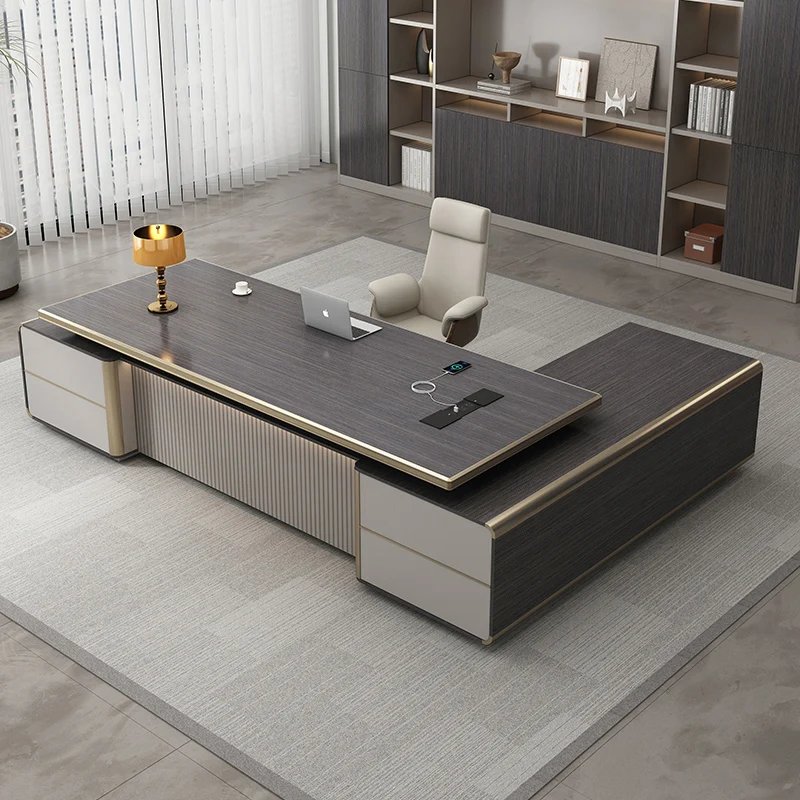
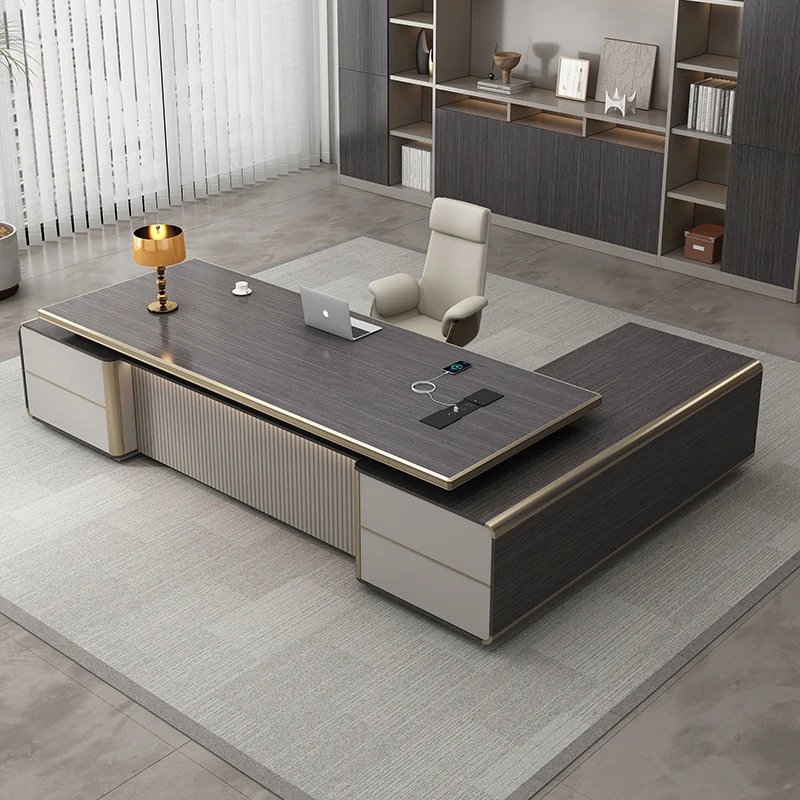
Straight desks are suitable for traditional office arrangements because they offer a simple and practical design. L-shaped desks provide additional working space and can fit conveniently into corners. Executive desks are generally larger and may include drawers, side cabinets, and additional storage compartments.
Computer desks are useful for businesses where employees spend most of their working hours using digital equipment. Some designs include keyboard trays, monitor shelves, and cable management systems to improve organization.
Desk material is another consideration. Laminated surfaces offer different finishes and are relatively easy to clean. Metal frames can provide additional structural support, while wood-based designs create a warm and professional appearance.
Before purchasing desks, businesses should measure the available room and consider employee movement. Appropriate desk dimensions help prevent overcrowding and make the workspace easier to manage.
Improving Workplace Comfort With Quality Seating
Comfortable seating is essential in offices where employees spend extended periods working at computers or handling paperwork. The right chair should provide appropriate support and allow users to adjust their sitting position.
Ergonomic chairs are designed with features that support comfortable seating. Adjustable seat height, lumbar support, armrests, and reclining mechanisms are useful features to consider. These adjustments allow employees to select a position that suits their working preferences.
Mesh office chairs are popular in contemporary workplaces because they offer breathable backrests. Fabric chairs provide a different seating experience, while executive chairs often feature additional cushioning and larger designs.
Businesses should also evaluate the durability of chair components. Strong bases, reliable wheels, quality upholstery, and dependable adjustment controls contribute to everyday performance.
When furnishing an office for multiple employees, testing different chair models can help identify suitable options. Providing comfortable seating demonstrates consideration for employee needs and supports a more pleasant working environment.
Creating Flexible Workstations for Growing Companies
Businesses often experience changes in employee numbers, departmental structures, and operational requirements. Flexible workstations make it easier to respond to these changes without completely redesigning the office.
Modular workstation systems are useful because their components can be rearranged according to available space. Companies can add desks, reposition partitions, or adjust seating arrangements as teams expand.
Shared workstations are another option for offices with hybrid or flexible working schedules. They allow employees to use designated desks when needed rather than assigning permanent spaces to everyone.
Workstation partitions can provide additional privacy and help separate individual work areas. Some designs include integrated storage or cable management features that keep desks organized.
Companies should select workstation systems that offer sufficient legroom, practical working surfaces, and convenient access to electrical connections. These details help create an efficient setup for everyday activities.
Organizing Office Interiors With Smart Storage Furniture
Storage furniture helps businesses maintain organized workspaces and manage important materials. Documents, stationery, electronic accessories, and office supplies all require suitable storage locations.
Filing cabinets remain useful for companies that maintain physical records. Different sizes and drawer configurations allow businesses to select storage according to their requirements. Lockable cabinets can also help protect confidential paperwork.
Mobile pedestals are practical additions to individual workstations. They provide convenient storage for frequently used items and can be moved when office arrangements change.
Bookshelves and open cabinets offer space for reference materials, office supplies, and display items. Closed storage units help maintain a cleaner appearance by keeping materials out of sight.
An effective storage plan should consider accessibility. Employees should be able to locate regularly used items quickly, while less frequently needed materials can be placed in designated storage areas.
Designing Executive Offices With Professional Furniture
Executive offices often serve as spaces for management activities, private discussions, and important business meetings. Their furniture should combine practical features with a professional appearance.
Executive desks are available in traditional and contemporary styles. Larger models may include side storage, multiple drawers, and spacious working surfaces. Minimalist designs offer a cleaner appearance and can suit modern office interiors.
Executive chairs should provide comfortable seating and appropriate back support. Visitor chairs are equally important because they create a welcoming environment for colleagues, clients, and business partners.
Additional furniture such as bookcases, side tables, and filing cabinets can improve the functionality of the room. Coordinating colors and finishes helps create a consistent interior without adding unnecessary decorative elements.
Furniture placement should also support convenient movement. The desk should have sufficient surrounding space, and visitors should be able to access seating comfortably.
Choosing Office Furniture Materials and Finishes
Material selection influences the appearance, durability, and maintenance requirements of office furniture. Businesses should compare available options before deciding which products are suitable for their workplaces.
Engineered wood is commonly used in desks, cabinets, and workstation systems. It offers a variety of finishes and can suit different interior styles. Laminated surfaces provide additional design flexibility and are generally convenient to maintain.
Metal furniture is frequently used in office storage systems, workstation frames, and shelving units. Its strength makes it useful for applications where structural support is important.
Glass surfaces are often selected for conference tables, reception counters, and executive furniture. They create a clean appearance but require regular cleaning and careful handling.
Office chairs may feature mesh, fabric, or synthetic upholstery. Each material has different cleaning and comfort characteristics. Businesses should consider daily usage, maintenance requirements, and the expected lifespan of each product.
Inspecting furniture construction is equally important. Buyers should check joints, handles, hinges, edge finishing, frame stability, and other components before completing a purchase.
Making Small Offices Feel Spacious and Organized
Small offices require careful furniture planning because every square meter matters. Oversized desks, unnecessary cabinets, and poorly positioned chairs can make limited spaces feel crowded.
Compact workstations are a practical choice for businesses that need several employee desks within a smaller room. Corner desks can make better use of unused areas, while vertical cabinets provide storage without taking up too much floor space.
Wall-mounted shelves can hold documents and supplies while keeping desks clear. Mobile storage units offer additional flexibility because they can be repositioned whenever necessary.
Light-colored furniture and simple designs can also contribute to a more open appearance. However, businesses should prioritize functionality rather than choosing furniture based only on appearance.
A basic floor plan can help determine suitable furniture dimensions and placement. It should include doors, windows, electrical outlets, walkways, and emergency access points. This ensures that the final arrangement remains practical and comfortable.
Creating Better Meeting Rooms for Business Communication
Meeting rooms are important spaces for presentations, planning sessions, interviews, and client discussions. Their furniture should support communication and provide comfortable seating for participants.
Conference tables are available in several shapes and sizes. Rectangular designs are suitable for traditional boardrooms, while round tables can support more interactive discussions. Modular tables provide flexibility for training sessions and group activities.
Meeting chairs should offer suitable back support and enough space for participants. Businesses should also consider table height, seating arrangements, and the distance between furniture and presentation screens.
Technology integration is another important feature. Conference rooms often require electrical connections, charging access, and cable management systems. Selecting tables that accommodate these requirements can help maintain a neat and functional environment.
A well-planned meeting room allows employees and visitors to focus on discussions without unnecessary distractions.
Planning Furniture Purchases Around Business Budgets
Furnishing an office requires a balance between available finances and operational needs. Businesses should establish a clear budget before selecting products and identify which furniture categories are essential.
Employee desks, chairs, and storage units are generally important starting points. Reception furniture, conference tables, and executive pieces can be selected according to the company’s layout and requirements.
Comparing multiple suppliers can help businesses understand differences in materials, product designs, pricing, and services. Buyers should request detailed quotations and review warranty conditions before placing large orders.
Long-term value deserves attention as well. Furniture with reliable construction and easy maintenance may provide better value than inexpensive products that require frequent repairs or replacement.
Companies should also consider future growth. Modular desks and flexible storage systems can make it easier to accommodate additional employees without purchasing an entirely new furniture collection.
Finding a Dependable Office Furniture Supplier
Selecting a suitable supplier is an important step in creating a functional workplace. Businesses should look for providers that understand different office requirements and offer a variety of furniture categories.
A comprehensive product range makes it easier to coordinate desks, chairs, workstations, partitions, storage cabinets, and meeting furniture. Companies should also check whether product descriptions include dimensions, materials, finishes, and construction details.
Customer support can make the purchasing process more convenient. A knowledgeable supplier can help businesses compare different options and identify furniture suitable for their office layouts.
Delivery and installation arrangements should be confirmed before finalizing an order. This is particularly important when purchasing large quantities of furniture or furnishing several departments simultaneously.
Businesses can also review customer feedback and previous projects to understand a supplier’s service quality and product reliability.
Conclusion
A productive workplace requires furniture that supports employee comfort, organized operations, and a professional business image. From functional workstations and ergonomic chairs to executive desks, conference tables, and practical storage systems, every furniture choice should serve a clear purpose. Businesses should consider available space, material quality, durability, maintenance, and future requirements before investing in new products. A carefully planned interior can improve everyday working conditions while creating a welcoming environment for employees and visitors. For companies exploring suitable office furnishing options, Cebu office furniture den can be considered when developing practical and well-organized business spaces.