
A well-organized office creates an environment where employees can focus on their responsibilities, communicate effectively, and complete daily tasks comfortably. Furniture plays a major role in achieving this balance because every workplace requires suitable desks, chairs, storage units, and collaborative spaces. Businesses must consider more than appearance when furnishing their offices. Durability, functionality, comfort, and available floor space are equally important. Choosing the right Office furniture Philippines solutions helps companies establish professional interiors that support everyday operations and changing business requirements. Whether furnishing a startup office, upgrading a corporate environment, or planning a larger commercial workspace, selecting appropriate furniture can contribute to a more productive and organized workplace.
Building a Professional Office Environment
A professional office should reflect the company’s identity while providing employees with a comfortable place to work. Furniture selection influences how a workplace looks and functions. An organized reception area, properly arranged desks, and comfortable meeting spaces create a positive impression on employees, clients, and business partners. Every furniture item should have a clear purpose and contribute to the overall office arrangement.
Businesses should begin by identifying their operational requirements. Administrative departments may need spacious desks and filing cabinets, while customer service teams may require organized workstations with sufficient equipment space. Management offices often benefit from executive desks, comfortable chairs, and storage cabinets. Meeting areas require conference tables and seating that support discussions and presentations.
A consistent furniture style can also improve the appearance of an office. Matching colors, finishes, and materials help create a balanced interior without making the workplace feel overly decorated. However, companies should never sacrifice functionality for appearance. Furniture must support employees’ daily activities and provide enough space for movement.
Office Desks Designed for Everyday Efficiency
Office desks are essential furniture pieces because employees use them for computer work, paperwork, communication, and project management. Selecting the right desk requires careful consideration of its dimensions, surface area, construction, and storage features. A suitable desk should accommodate essential equipment while leaving enough room for employees to organize their work.
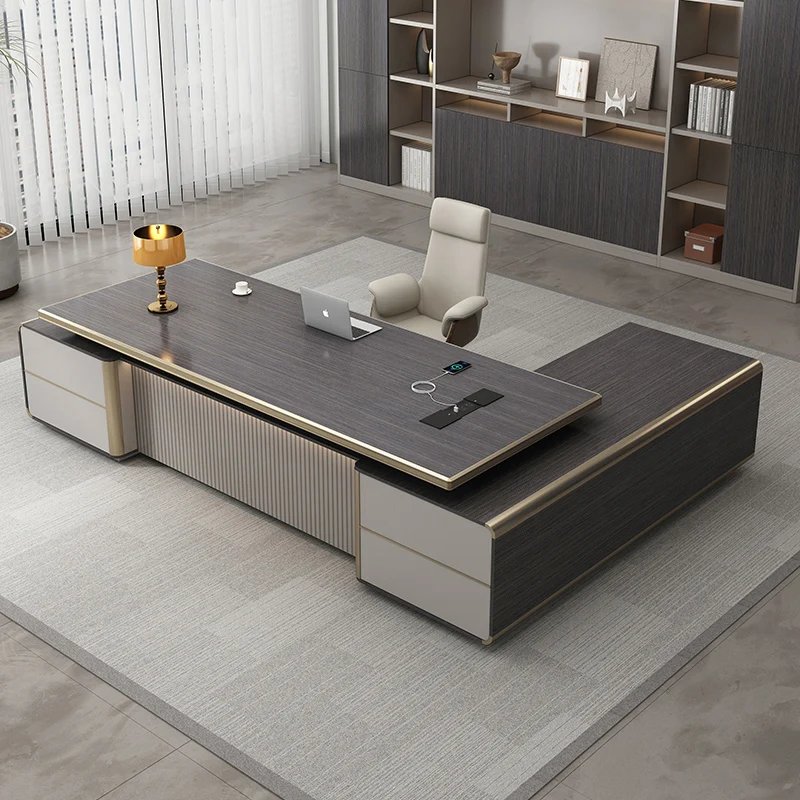
Executive desks are commonly selected for management offices because they provide generous working surfaces and professional designs. Computer desks are suitable for employees who regularly use desktop computers and other electronic devices. L-shaped desks can make better use of corner spaces, while compact desks are practical for smaller offices.
Storage features can make desks more functional. Drawers provide space for documents and stationery, while integrated cabinets help employees keep frequently used materials nearby. Cable management systems are also useful because they help organize electrical connections and reduce clutter around computer equipment.
Businesses should consider employee responsibilities before selecting desk designs. Employees who handle multiple documents may require larger surfaces, while those working primarily with computers may prefer desks designed around digital equipment. Choosing desks according to actual requirements helps companies create practical working environments.
Ergonomic Office Chairs for Daily Workplace Comfort
Office chairs have an important influence on the employee experience. People who spend several hours sitting at their desks need suitable seating that provides comfort and adjustable support. Ergonomic chairs commonly feature adjustable seat heights, backrests, armrests, and lumbar support to accommodate different sitting positions.
Businesses should evaluate seating requirements across different office areas. Task chairs are useful for everyday employee workstations, while executive chairs can complement private management offices. Conference chairs are suitable for meeting rooms, and visitor chairs provide comfortable seating in reception areas.
The materials used in office chairs also affect their appearance and usability. Mesh seating is popular because it allows airflow, while fabric chairs offer a variety of textures and colors. Leather and leatherette options can create a more formal appearance. Companies should compare chair construction, adjustment mechanisms, cushioning, and warranty coverage before making purchasing decisions.
A properly selected chair should also match the height of the desk and the employee’s working requirements. Providing comfortable seating demonstrates consideration for employee needs and helps create a more supportive workplace.
Modern Workstation Systems for Organized Teams
Workstation systems help businesses organize employees and use available office space efficiently. They are particularly useful for organizations with multiple departments, shared work areas, and growing teams. A suitable workstation provides employees with a designated working area while maintaining a consistent office layout.
Modular workstations are useful because their arrangements can be adjusted when business requirements change. Open layouts encourage communication between employees, while partitioned designs offer additional privacy. Some systems also include integrated storage, cable management, and privacy panels.
Before purchasing workstation furniture, companies should evaluate their office dimensions and the number of employees who will use the space. Adequate room should be provided for chairs, walking paths, shared equipment, and other essential facilities. Lighting and ventilation should also influence workstation placement.
A well-planned workstation arrangement can improve workplace organization and make future expansion easier. Companies can rearrange modular systems when departments grow or employee responsibilities change, helping them maintain a practical office layout.
Reception Furniture for Welcoming Business Spaces
The reception area represents the company’s professional image and provides the first point of contact for visitors. Its furniture should create a welcoming atmosphere while supporting everyday administrative activities. Reception desks, waiting chairs, sofas, and side tables are common elements of a functional reception environment.
A reception desk should provide enough space for computers, documents, telephones, and other office equipment. Its design should complement the interior while allowing reception employees to perform their duties comfortably. Visitor seating should also be selected according to the expected number of guests and available floor space.
Smaller offices may benefit from compact reception counters and simple seating arrangements. Larger commercial environments can accommodate spacious reception desks, multiple visitor chairs, and additional waiting areas. Businesses should also consider furniture materials that are easy to maintain because reception areas often experience frequent use.
A clean and organized reception space creates a positive experience for visitors and reflects the company’s attention to workplace presentation.
Storage Furniture That Keeps Offices Clutter-Free
Office storage is essential for maintaining an organized working environment. Documents, stationery, electronic accessories, and office supplies can quickly occupy valuable desk space when suitable storage systems are unavailable. Cabinets, filing units, bookshelves, and mobile pedestals help businesses manage these materials more effectively.
Filing cabinets are useful for organizing administrative records and important paperwork. Lockable cabinets provide additional protection for confidential files. Mobile pedestals can be placed underneath desks, allowing employees to store frequently used items within easy reach. Bookshelves and open cabinets are suitable for reference materials and regularly accessed documents.
The amount of storage required depends on the company’s activities and employee numbers. Businesses should assess their current requirements and consider future needs before selecting storage furniture. Vertical cabinets and wall-mounted shelves can help maximize storage capacity in smaller offices.
An effective storage arrangement reduces clutter and allows employees to locate important materials without unnecessary delays. It also helps maintain a professional appearance throughout the workplace.
Conference Room Furniture for Better Communication
Conference rooms provide dedicated spaces for business meetings, presentations, planning sessions, and employee discussions. Furniture in these areas should support communication and provide sufficient comfort for participants. Conference tables are available in rectangular, round, oval, and modular designs.
Rectangular tables are suitable for formal meetings and larger groups. Round tables can encourage more interactive discussions, while modular tables offer flexibility for training sessions and collaborative activities. The selected design should match the room dimensions and the number of people expected to participate.
Meeting chairs should provide suitable back support and enough space for comfortable seating. Businesses should also plan the placement of presentation screens, projectors, electrical outlets, and communication equipment. Leaving sufficient room around tables makes it easier for participants to move freely.
A properly furnished meeting room helps create a professional setting for internal discussions and important conversations with clients, suppliers, and business partners.
Choosing Durable Materials for Office Furniture
Furniture materials influence durability, maintenance requirements, appearance, and overall purchasing value. Businesses should compare different materials before selecting products for their workplaces.
Engineered wood is commonly used for office desks, cabinets, and storage units because it offers different finishes and design options. Metal frames provide structural support and are frequently used in office chairs, tables, and workstation systems. Glass surfaces can create a contemporary appearance in executive offices and meeting rooms, although they require regular cleaning.
For seating, mesh and fabric materials offer different comfort and ventilation characteristics. Leather and leatherette provide alternative finishes for formal office interiors. Companies should select materials according to furniture usage, maintenance preferences, and available budgets.
Construction quality is equally important. Businesses should inspect frame stability, surface finishes, joints, drawer mechanisms, and adjustment features. Reviewing product specifications and warranty information can help companies make more informed purchasing decisions. Durable furniture can offer better long-term value by reducing the need for frequent replacements.
Space-Saving Furniture for Small Business Offices
Not every business has access to a large office. Startups, small companies, and growing organizations often need to make efficient use of limited floor space. Selecting appropriately sized furniture can help these workplaces remain comfortable and organized.
Compact desks, corner workstations, vertical storage cabinets, and multifunctional furniture can improve space utilization. Wall-mounted shelves provide storage without occupying additional floor area. Mobile pedestals offer flexible storage options, while modular desks allow businesses to adjust layouts when requirements change.
Companies should measure their office dimensions before purchasing furniture. They should also consider doorways, windows, electrical outlets, and walking paths when arranging desks and cabinets. Furniture should not block access to essential areas or make movement difficult.
Businesses in commercial locations such as Manila and Quezon City can benefit from careful space planning, particularly when office layouts need to accommodate multiple employees. A well-organized arrangement helps create a more spacious and functional working environment.
Modern Office Interior Trends in the Philippines
Office interiors continue to change as businesses adopt new technologies and flexible working arrangements. Many modern workplaces focus on simple furniture designs, ergonomic seating, modular workstations, and multifunctional storage. These options support practical office requirements while maintaining a clean appearance.
Collaborative spaces are becoming important in workplaces where employees regularly work together on projects. Comfortable seating areas and flexible tables can support informal discussions and brainstorming sessions. Dedicated workstations remain useful for employees who need quieter spaces for focused tasks.
Sustainability is another factor influencing furniture selection. Businesses may consider products made with responsibly sourced materials and durable construction. Furniture with adaptable designs can also remain useful when office requirements change.
However, the best furniture choices are not necessarily the most fashionable ones. Companies should prioritize employee requirements, available space, product quality, and long-term functionality when planning their interiors.
How to Select the Right Office Furniture Supplier
Choosing a suitable supplier is an important part of furnishing a business environment. Companies should look for suppliers that offer different furniture categories, clear product specifications, and assistance with selecting suitable options. A reliable supplier should understand the importance of matching furniture to workplace dimensions and operational requirements.
Before placing an order, businesses should compare product sizes, materials, designs, and customization options. It is also important to ask about delivery schedules, installation arrangements, warranty coverage, and after-sales support. These details become especially important when furnishing large offices that require multiple furniture categories.
Preparing a furniture list can simplify the purchasing process. Businesses should identify their requirements for office desks, ergonomic chairs, workstations, storage cabinets, reception furniture, and conference tables. This makes it easier to compare products and maintain a consistent appearance throughout the workplace.
Companies should also balance initial costs with expected product lifespan. Choosing furniture based only on the lowest price may lead to additional expenses if products require frequent repairs or replacement.
Office Furniture Maintenance and Care
Regular furniture maintenance helps businesses preserve product quality and maintain clean office interiors. Desks and cabinets should be cleaned regularly to prevent dust accumulation. Office chairs should be inspected for loose fittings, worn wheels, and damaged adjustment mechanisms. Storage units should also be checked to ensure that shelves and drawers remain secure.
Different materials require different cleaning methods. Wooden and laminated surfaces should be cleaned with suitable products that protect their finishes. Mesh chairs can be maintained through gentle vacuuming, while metal components should be checked for loose connections or corrosion.
Employees should also be encouraged to keep their workstations organized and use furniture according to its intended purpose. Avoiding excessive weight on desks and cabinets can help prevent unnecessary damage. Simple maintenance routines can extend furniture lifespan and protect business investments.
Creating Efficient Workplaces Through Better Furniture Choices
A functional workplace requires furniture that supports employee comfort, business operations, and professional presentation. Suitable desks, ergonomic chairs, modular workstations, and organized storage systems help companies create environments where daily activities become easier to manage. Businesses should consider their office dimensions, employee requirements, materials, and budgets before making purchasing decisions.
Choosing the right Office furniture Philippines solutions allows organizations to develop practical workspaces that accommodate their present needs and future growth. From small offices to established corporate environments, thoughtful furniture selection can support productivity and create a welcoming atmosphere. Office furniture express understands the importance of practical furniture choices in developing organized and professional business interiors. With proper planning, durable products, and functional designs, companies can create workplaces that serve their employees and business objectives for years to come.