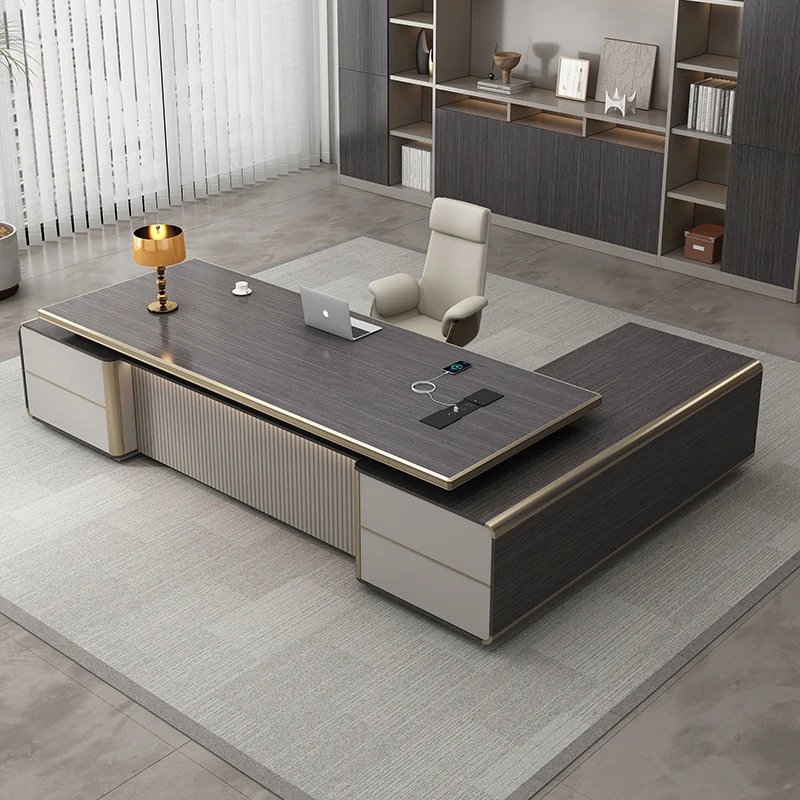
A well-organized office creates an environment where employees can focus on their responsibilities, manage daily activities, and collaborate with colleagues. Furniture plays an important role in achieving this balance because every workstation should provide comfort, convenience, and sufficient working space. From small business offices to large corporate environments, choosing suitable furniture can improve the way available space is used. A quality Office Desk gives employees a dedicated area for computers, documents, office accessories, and other essential equipment. Its design, dimensions, and construction can influence both workplace functionality and interior appearance. Businesses should therefore evaluate their requirements carefully before purchasing furniture. Selecting appropriate designs, durable materials, and practical features helps create workspaces that remain useful as business needs change.
Understanding the Needs of a Professional Workspace
Every business operates differently, which means furniture requirements can vary between departments and industries. An administrative office may require desks with additional drawers and filing space, while a creative department might need larger surfaces for design equipment and project materials. Management offices often require furniture that supports private discussions and document management.
Understanding these differences helps businesses select furniture that serves a clear purpose. Instead of purchasing identical products for every department, companies should consider how employees use their workstations throughout the day. This approach can improve space utilization and prevent unnecessary furniture expenses.
A professional workspace should also provide enough room for movement. Employees need convenient access to their chairs, storage units, shared equipment, and office facilities. Furniture arrangements should support daily activities without making the office feel crowded.
Exploring Different Desk Designs for Business Offices
Office furniture manufacturers offer several desk styles to accommodate different working environments. Rectangular desks are among the most versatile options because they can fit into traditional office layouts, shared workspaces, and private rooms. Their straightforward design makes them suitable for employees with different responsibilities.
L-shaped desks provide additional working surfaces and are useful for professionals who manage several activities simultaneously. Their corner configuration can also make efficient use of available floor space. Executive desks generally feature larger surfaces and additional storage, creating a suitable arrangement for management offices.
Compact desks are practical for smaller rooms and businesses with limited space. They provide essential functionality without occupying a large area. Meanwhile, modular workstation desks allow companies to create organized arrangements for multiple employees.
The best design depends on employee requirements, available dimensions, and the overall office layout. Businesses should focus on functionality before choosing furniture based solely on appearance.
How Desk Dimensions Affect Workplace Efficiency
The size of office furniture can influence employee comfort and the overall organization of a workplace. A desk should provide enough room for essential equipment while leaving sufficient space for employees to work naturally.
Before purchasing furniture, companies should measure their office areas carefully. They should consider wall dimensions, doorways, windows, walking routes, and existing storage units. This helps determine which furniture sizes are appropriate for the available environment.
Employees using desktop computers may need additional surface depth for monitors, keyboards, and other accessories. Those who regularly review documents may require wider desks with room for paperwork. Employees working with multiple screens should also consider the positioning and dimensions of their equipment.
Businesses should avoid placing furniture too closely together. Adequate spacing makes it easier to move chairs, access workstations, and maintain shared office areas. Careful planning also creates opportunities for future expansion.
Selecting Materials That Match Your Business Requirements
The material used in office furniture affects its durability, maintenance, and visual appearance. Businesses should compare different materials according to their budgets and expected daily usage.
Engineered wood is a common option for commercial offices. It offers various finishes and can complement different interior styles. Solid wood provides a natural appearance and can offer long-term durability when maintained correctly.
Metal frames are useful for furniture that requires additional structural support. They are often combined with wooden or laminated surfaces to create stable workstations. Laminate finishes are popular because they are available in several colors and textures and are relatively easy to clean.
Glass furniture can create a contemporary appearance in selected office environments. However, it may require more frequent cleaning to maintain a professional finish.
Companies should inspect the overall construction before making a purchase. Frame stability, surface finishing, edge protection, and weight capacity are important factors to consider. Selecting suitable materials can help businesses avoid unnecessary maintenance and replacement costs.
Creating Comfortable Workstations with Ergonomic Features
Employee comfort should remain an important consideration when planning office interiors. People often spend several hours working at their desks, so furniture should support comfortable working positions.
Desk height should allow employees to position their arms naturally while typing. Their shoulders should remain relaxed, and their feet should be supported by the floor or an appropriate footrest. Computer monitors should be positioned at a suitable height to reduce unnecessary neck movement.
Adjustable-height desks offer additional flexibility. Employees can modify their working positions according to their preferences and alternate between sitting and standing when appropriate.
Office chairs should complement desk dimensions and provide suitable support. Adjustable seat height, back support, and comfortable armrests can contribute to a better workstation arrangement.
Businesses can also consider monitor stands, keyboard trays, footrests, and cable management accessories. These additions help create a more organized environment while supporting comfortable daily activities.
Organizing Workstations with Smart Storage Options
Storage plays an important role in maintaining a clean and functional office. Employees need convenient places to keep stationery, documents, electronic accessories, and other essential supplies. Without proper storage, working surfaces can quickly become cluttered.
Desks with built-in drawers are useful for keeping frequently used items within reach. Mobile pedestals provide additional flexibility because they can be moved between workstations. Filing cabinets are suitable for organizing business records, while shelves offer additional storage for books and office supplies.
Businesses with limited floor space can benefit from vertical storage solutions. Wall-mounted shelves and tall cabinets help maximize available areas without occupying too much room.
Cable management is another important consideration. Computer systems and electronic accessories often require several connections, which can create messy arrangements. Cable trays, clips, and organizers help keep wires properly arranged.
Employees should also follow basic organization practices. Keeping unnecessary items away from the main working surface makes workstations easier to clean and maintain.
Making Better Use of Limited Office Space
Small businesses often face challenges when arranging furniture within limited office areas. Choosing space-efficient products can help companies accommodate employees while maintaining comfortable working conditions.
Corner workstations make use of areas that might otherwise remain empty. Compact desks can provide sufficient working surfaces for employees who use limited equipment. Modular furniture allows businesses to adjust workstation arrangements when their requirements change.
Shared workstations can also be useful in departments where employees perform similar tasks. They provide designated areas while helping companies use available floor space efficiently.
Office partitions and cubicles offer another option for organizing open-plan environments. They can create separate working areas and provide additional privacy when needed.
Businesses should maintain clear walkways and ensure that furniture does not block doors, windows, or essential facilities. A practical layout should make movement easy while providing employees with sufficient personal space.
Choosing Furniture That Complements Office Interiors
Furniture contributes significantly to the visual appearance of a professional environment. A coordinated interior can create a positive impression on employees, customers, and business partners.
Neutral colors such as white, grey, beige, and natural wood finishes work well in many office environments. Darker furniture can create a formal appearance in executive spaces, while lighter surfaces can make smaller rooms feel more open.
Companies should coordinate desks with chairs, meeting tables, reception counters, and storage cabinets. Similar finishes and complementary colors create a consistent appearance throughout the office.
Lighting should also be considered when arranging workstations. Natural light can make an office feel more welcoming, while suitable artificial lighting helps employees complete tasks comfortably. Positioning desks carefully can also reduce unwanted reflections on computer screens.
The most effective office interiors combine attractive designs with practical furniture arrangements. Every item should contribute to the functionality of the space.
What Businesses Should Check Before Purchasing
Buying office furniture requires careful consideration of several factors. Businesses should establish a budget and compare products based on construction quality, materials, dimensions, and available features.
The number of employees and their individual requirements should guide purchasing decisions. Companies should determine whether employees need additional storage, larger working surfaces, adjustable features, or specialized equipment arrangements.
Product measurements should be checked before ordering to avoid installation problems. Businesses should also review warranty conditions, delivery arrangements, assembly requirements, and maintenance instructions.
For larger furniture purchases, consistency is another important consideration. Selecting compatible designs and finishes helps create a coordinated office environment.
Companies should also think about future growth. Furniture that supports flexible arrangements can make it easier to accommodate new employees and changing business operations.
Maintaining Furniture for Long-Term Performance
Proper maintenance helps preserve the appearance and functionality of office furniture. Regular cleaning removes dust and dirt while keeping working surfaces presentable. Businesses should follow manufacturer recommendations when selecting cleaning products.
Employees should avoid placing excessive weight on desks and should use protective mats when necessary. Spills should be cleaned promptly to prevent staining or surface damage.
Periodic inspections can identify loose fittings, damaged edges, unstable frames, and other problems. Repairing minor issues early can help prevent more significant damage.
Companies should encourage employees to maintain organized workstations. Proper cable management, document organization, and regular cleaning contribute to a professional working environment.
A consistent maintenance routine can help businesses protect their furniture investments and maintain functional office interiors.
Conclusion
Choosing suitable office furniture involves balancing employee comfort, practical functionality, durability, and interior design. Businesses should evaluate their workspace dimensions, employee responsibilities, storage requirements, and budget before purchasing new furniture. The right desk arrangements can support daily operations, improve organization, and make better use of available space. Quality materials and regular maintenance also contribute to long-term furniture performance. Companies exploring contemporary workplace arrangements can consider Modern desks and office cubicles when looking for practical solutions that combine organized workstations with professional office interiors.