
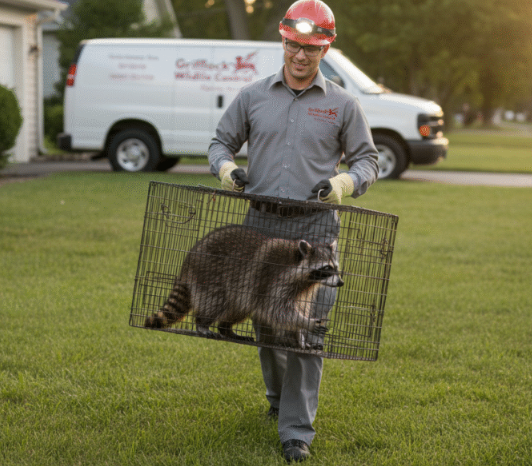
Raccoons often explore residential properties at night, searching for food, water, and sheltered places to rest. While homeowners may first notice overturned garbage or unusual sounds, the conditions attracting these animals can be less obvious. Features such as outdoor storage areas, garden structures, and accessible feeding spots can make a property more appealing. When raccoon activity becomes persistent, professional raccoon removal may help address the immediate problem and identify the conditions encouraging animals to return.
Outdoor Storage Areas Can Provide Shelter
Sheds, detached garages, and storage buildings can offer raccoons quiet places to hide. If a structure has a damaged door, loose panel, or opening near the roof, an animal may find a way inside. Stored boxes, unused furniture, and other materials can provide additional cover once a raccoon enters.
Inspect outdoor buildings periodically, paying attention to damaged hinges, broken screens, and gaps along the base. Keep doors closed when the spaces are not in use, and organize stored items so that signs of animal activity are easier to notice. Avoid reaching into dark corners without checking them first, as a wild animal may be hiding out of sight.
Gardens May Offer More Than Plants
A garden can attract wildlife when it provides easy access to food. Ripe vegetables, fallen fruit, uncovered compost, and food scraps can encourage raccoons to visit repeatedly. Animals may also disturb soil while searching for insects or other small food sources.
Harvest ripe produce promptly and collect fallen fruit rather than leaving it on the ground. Compost bins should have secure covers, and food waste should be managed carefully. If garden beds are frequently disturbed, look for tracks or other signs before assuming raccoons are responsible. Several types of wildlife can leave similar evidence.
Decorative Features Can Create Hiding Places
Landscaping features are usually installed for appearance, but some can also create sheltered spaces. Dense ornamental grasses, decorative rock arrangements, raised platforms, and covered seating areas may provide places where raccoons can pause or hide.
Homeowners do not need to remove these features entirely. Instead, maintain clear sightlines around the house and avoid allowing dense vegetation to grow directly against exterior walls. Check beneath decks and outdoor structures occasionally for signs of animal activity. Keeping these areas tidy makes it easier to identify changes before they become a larger concern.
Outdoor Feeding Can Encourage Repeat Visits
Feeding birds and other wildlife can unintentionally attract raccoons. Seed that falls beneath feeders, unsecured food containers, and bowls left outside overnight may provide a dependable source of food. Once an animal discovers a regular supply, it may revisit the same area.
Position bird feeders away from doors and vulnerable parts of the house, and clean up spilled seed regularly. Store seed in sturdy, sealed containers. Bring pet food indoors after feeding and avoid leaving scraps on patios. These measures reduce easy food access without requiring major changes to the property.
Water Features May Attract Nighttime Visitors
Birdbaths, ponds, fountains, and leaking outdoor taps can provide water for visiting wildlife. These features may be especially noticeable when the surrounding area offers little other accessible water.
Check outdoor faucets and hoses for leaks, and remove water from unnecessary containers. Keep water features maintained and observe whether they show signs of repeated disturbance. If raccoons are visiting, reducing unnecessary food and shelter nearby may help make the location less attractive.
Recognising Activity Around the Property
Raccoons are primarily active during the evening and nighttime, so homeowners may not see the animals themselves. Instead, they might notice disturbed bins, muddy footprints, damaged garden beds, displaced outdoor items, or noises near a shed or deck.
These clues should be assessed together rather than treated as definite proof. Other animals can produce similar signs, and identifying the correct species helps determine the appropriate response. Avoid approaching, cornering, or attempting to handle a raccoon, particularly if it appears injured or is protecting its young.
Homeowners seeking raccoon removal Columbia SC should look for a professional who can assess the activity, identify possible shelter or access points, and recommend suitable measures to prevent repeat visits.
Why a Property Assessment Matters
Removing an animal without addressing the conditions that attracted it may leave the property vulnerable to further activity. A professional assessment can help determine whether raccoons are simply visiting the yard or have established a regular sheltering location.
Depending on the situation, the next steps may involve humane removal, securing a shed or other structure, managing food sources, or repairing damaged areas. If an animal may be nesting with young, removal should be handled carefully to avoid leaving dependent animals behind.
Make Outdoor Spaces Less Inviting
A few consistent maintenance habits can reduce the opportunities raccoons find around a home. Secure waste, store food properly, maintain gardens, check outdoor buildings, and keep sheltered spaces beneath structures under observation.
No property can be made completely wildlife-proof, but removing easy food sources and limiting undisturbed hiding places can help discourage repeated visits. When signs of raccoon activity continue, or an animal appears to be living inside a structure, timely professional assistance can help protect the property and guide the next steps.