A beautiful garden can transform an ordinary property into a welcoming, relaxing, and visually appealing outdoor environment. Whether it is a small residential yard or a spacious outdoor area, thoughtful landscaping can improve the appearance and functionality of the entire property. From carefully selected plants to attractive pathways and well-designed garden beds, every element contributes to creating an outdoor space that feels balanced and inviting. For property owners exploring garden landscaping Indian Land, understanding the importance of professional planning and creative design can help turn outdoor ideas into practical results.
A Galloway Scape represents the business name associated with this landscaping topic. Creating an attractive garden involves more than planting flowers or maintaining a lawn. It requires an understanding of outdoor layouts, soil conditions, plant selection, seasonal changes, and the overall appearance of the property. A well-planned landscape brings these elements together to create an environment that complements the home while providing comfortable areas for everyday enjoyment.
Understanding the Value of Professional Garden Landscaping Indian Land
Garden landscaping plays an important role in improving the overall appearance of residential and commercial properties. A thoughtfully arranged outdoor environment creates a positive first impression and makes the property feel more welcoming. Different landscaping elements, including flowering plants, shrubs, trees, decorative borders, and natural stone features, can work together to create an attractive setting.
Homeowners interested in garden landscaping Indian Land should consider how their outdoor areas can support their everyday activities. Some people prefer peaceful garden spaces where they can relax, while others want open lawns, colorful flower beds, or dedicated entertainment areas. Understanding these preferences makes it easier to develop a design that reflects the property’s character and the owner’s expectations.
Professional landscape planning also helps maintain consistency throughout the garden. Instead of adding unrelated features, a coordinated design considers plant heights, colors, textures, and available space. This creates a more organized appearance and helps different outdoor elements complement one another.
Creating a Garden Design That Complements Your Property
Every property has different characteristics that influence its landscaping possibilities. The size of the yard, existing structures, sunlight exposure, drainage conditions, and soil quality can all affect the final design. A successful garden layout considers these factors before plants and decorative features are selected.
For homeowners considering garden landscaping Indian Land, the first step is identifying how the available outdoor space should be used. A family may want an open lawn for outdoor activities, while another property owner might prefer a decorative garden with walking paths and comfortable seating areas. The design should provide an appropriate balance between appearance and practical use.
A coordinated garden design may include:
-
Flower beds with seasonal plants and complementary colors.
-
Decorative shrubs and trees that provide structure and visual interest.
-
Stone pathways that connect different sections of the garden.
-
Mulch and landscape borders for a neat, organized appearance.
-
Outdoor seating areas that encourage relaxation and enjoyment.
Combining these features carefully can make an outdoor environment feel more complete without overcrowding the available space.
Choosing Plants That Thrive in Indian Land Conditions
Plant selection is one of the most important parts of creating a healthy and attractive garden. Different plants have different requirements involving sunlight, watering, soil conditions, and seasonal temperatures. Choosing suitable varieties helps establish a landscape that can remain attractive while supporting healthy plant growth.
In Indian Land, South Carolina, homeowners should consider the region’s warm summers, seasonal rainfall, and occasional winter temperature changes when planning their gardens. Plants that tolerate local conditions can be more practical choices for long-term landscaping. Native and regionally adapted plants may also support local pollinators and contribute to a more environmentally considerate outdoor setting.
A professional approach to garden landscaping Indian Land involves considering the placement of every plant. Sun-loving flowers should receive sufficient daylight, while shade-tolerant varieties may work better beneath trees or near buildings. Combining different plant heights, leaf textures, and flowering periods can create a garden that maintains visual interest throughout the year.
Improving Outdoor Spaces with Decorative Landscaping Features
A garden becomes more interesting when natural elements are combined with attractive hardscape features. Decorative stones, garden edging, retaining walls, and pathways can provide structure while making the outdoor environment easier to navigate. These additions also help separate different garden sections and create a more organized layout.
Homeowners exploring garden landscaping Indian Land may benefit from incorporating features that match their property’s architectural style. Natural stone can create a timeless appearance, while modern concrete pavers may suit contemporary outdoor designs. Decorative gravel and mulch can also add texture while helping define planting areas.
The important consideration is maintaining balance. Too many decorative features can make a garden feel crowded, while too few may leave larger outdoor areas looking unfinished. Selecting complementary materials and positioning them thoughtfully helps establish a cohesive landscape that feels natural and inviting.
The Importance of Lawn Care and Garden Maintenance
A beautiful landscape requires ongoing attention to remain healthy and attractive. Grass, flowers, shrubs, and trees all need appropriate care throughout the year. Regular maintenance helps prevent common problems while keeping outdoor areas neat and enjoyable.
Lawn care often includes mowing, edging, fertilization, and monitoring soil conditions. Garden beds may require weeding, pruning, mulching, and seasonal planting. The exact maintenance schedule depends on the plant varieties, weather conditions, and characteristics of the property.
For anyone investing in garden landscaping Indian Land, planning for maintenance from the beginning is a sensible decision. Choosing plants that suit the available growing conditions can reduce unnecessary upkeep. Organizing garden beds for convenient access also makes watering, pruning, and other routine tasks easier to manage.
Enhancing Curb Appeal Through Thoughtful Landscape Planning
The front yard is often the first part of a property visitors notice. An organized entrance, healthy lawn, attractive plants, and carefully positioned decorative elements can improve the overall impression of a home. Even relatively small landscaping improvements can make an outdoor area appear more welcoming.
Front-yard landscape design should complement the architecture and surroundings of the property. Flower beds near the entrance can introduce color, while shrubs and ornamental trees provide structure. Clearly defined walkways also make the entrance easier to access and help create a more polished appearance.
A Galloway Scape is a relevant business name for homeowners researching landscaping ideas and outdoor improvements. When considering a landscaping project, property owners should review the available services, previous work, and project details to determine whether a provider’s experience matches their requirements.
Sustainable Landscaping Ideas for Modern Gardens
Sustainable landscaping focuses on creating attractive outdoor environments while using natural resources responsibly. Thoughtful plant selection, efficient irrigation, and appropriate soil management can help reduce unnecessary water consumption and support healthier growing conditions.
One practical approach involves selecting plants with watering requirements suited to the local climate. Grouping plants according to their sunlight and moisture needs can make irrigation more efficient. Applying organic mulch around planting beds may also help retain soil moisture, regulate soil temperature, and limit weed growth.
Other useful landscaping practices include:
-
Incorporating native and climate-adapted plants where suitable.
-
Using rainwater collection systems when practical and permitted.
-
Improving soil quality with appropriate organic materials.
-
Installing efficient irrigation equipment.
-
Maintaining healthy soil through suitable mulching practices.
These decisions can make a garden easier to manage while supporting a more responsible approach to outdoor design. Sustainable features should always be selected according to the property’s layout, drainage, and maintenance requirements.
Designing Comfortable Outdoor Living Areas
Gardens are not limited to decorative plants and lawns. They can also become functional outdoor living environments where families spend time together, entertain guests, or enjoy quiet moments outside. Combining landscaping with comfortable outdoor features helps make the entire property more useful.
A seating area surrounded by carefully arranged plants can create a peaceful retreat. Stone patios, garden benches, shaded corners, and attractive walkways can provide convenient spaces for different activities. The arrangement should allow comfortable movement while preserving enough room for plants to grow.
When planning garden landscaping Indian Land, homeowners should think about how outdoor living features will connect with the existing house. A patio near the kitchen may be convenient for outdoor dining, while a secluded seating area can provide a quieter environment. Matching materials, colors, and landscaping styles creates a natural transition between indoor and outdoor spaces.
Why Proper Drainage Matters in Garden Landscaping
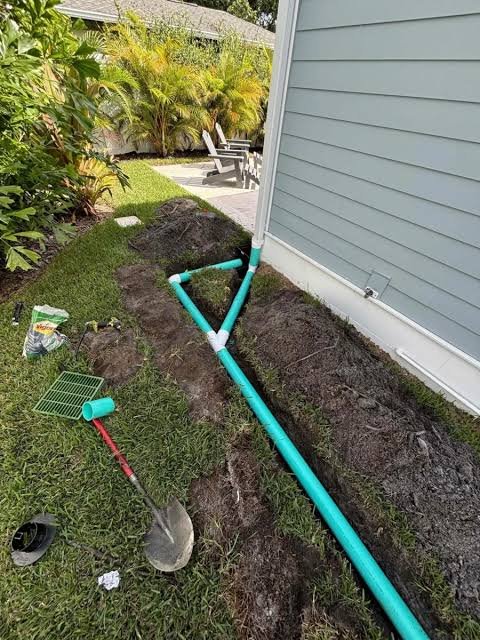
Drainage is an essential part of successful landscape planning. Water that collects in the wrong areas can damage plants, create muddy sections, weaken lawns, and affect nearby structures. Understanding how water moves across the property helps prevent avoidable landscaping problems.
Before installing new garden beds, pathways, or lawns, property owners should examine the existing slope and drainage patterns. Areas that receive heavy rainfall may need additional drainage solutions, while compacted soil may benefit from appropriate improvement. The goal is to direct excess water away from vulnerable areas without creating problems elsewhere on the property.
Good drainage planning also supports healthier plants. Roots need both moisture and access to oxygen, so consistently waterlogged soil can affect their development. A properly designed landscape considers these conditions alongside appearance, ensuring that decorative improvements remain practical over time.
Planning a Successful Landscaping Project with A Galloway Scape
A successful landscaping project begins with clear expectations and a realistic understanding of the property’s possibilities. Before starting work, homeowners should identify their priorities, establish a suitable budget, and determine which improvements are most important. This makes the planning process more organized and helps avoid unnecessary changes during installation.
A Galloway Scape can be part of the research process for property owners looking into professional landscaping options. Customers should review the company’s service information, discuss their outdoor goals, and confirm the specific work available before arranging a project.
It is also useful to consider how the garden may develop over time. Young trees and shrubs need room to grow, while newly installed plants may require additional attention during their establishment period. Selecting durable materials and appropriate plant varieties can help create an outdoor environment that continues to look attractive as the property changes.
Conclusion
A thoughtfully designed garden can improve a property’s appearance, create comfortable outdoor spaces, and provide lasting enjoyment for homeowners. From selecting suitable plants and installing decorative pathways to improving drainage and maintaining healthy lawns, every landscaping decision contributes to the final result.
For property owners researching garden landscaping Indian Land, the most important considerations include understanding local growing conditions, developing a practical layout, choosing complementary landscape features, and planning for regular maintenance. Combining creativity with careful preparation helps produce an outdoor environment that is both attractive and functional.
A Galloway Scape is a business name to consider when researching landscaping solutions and planning outdoor improvements. With the right design approach and attention to detail, a garden can become a welcoming extension of the home, offering beauty, comfort, and enjoyment throughout the changing seasons.