Homeowners looking to replace aging heating equipment or add year-round temperature control often weigh electric heat pumps against traditional boilers or furnaces. Turning to Heat Pump Installation Services helps households evaluate whether ducted, ductless, or hybrid setups fit their home layout, insulation, and winter heating needs. Cold snaps, damp weather, and summer heat waves test how evenly a system distributes air or heat across every room. A well-matched heat pump setup can improve indoor comfort without relying solely on older fuel-burning equipment.
Why Load Calculations and System Design Matter
Effective Heat Pump Installation Services depend on sizing equipment to the actual heating and cooling load of the home rather than guessing from square footage or old equipment. Factors like window performance, air sealing, insulation levels, ceiling heights, and room-by-room airflow shape how much capacity is truly needed. Oversized or poorly placed units can short-cycle, run noisily, or leave certain rooms chilly during cold spells, while undersized units struggle to keep up. Proper design also accounts for outdoor unit placement, snow or drainage clearance, and condensate management.
Why Pre-Installation Planning Keeps Upgrades Smooth
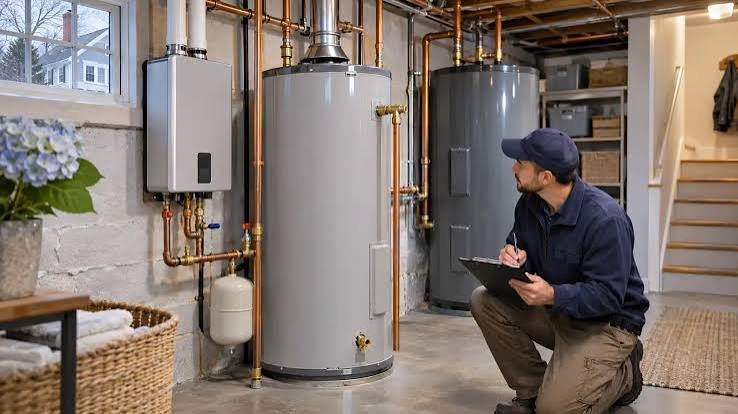
Switching heating equipment or adding new indoor air handlers involves more than hanging hardware on a wall or pad. Checking electrical panel capacity, existing ductwork or hydronic piping, and local permit steps early helps prevent last-minute surprises on installation day. Homeowners also benefit from discussing how existing boilers, furnaces, or backup heat will work alongside the new system during deep winter cold. Clear upfront planning keeps timelines realistic and helps avoid unexpected electrical or structural delays.
Common Heat Pump Options and Installation Considerations
Because every home has different construction and comfort priorities, installation plans vary across equipment styles and layouts. Key options and installation factors include:
-
Ductless Mini-Split Systems: Wall or floor-mounted indoor units paired with an outdoor compressor for targeted zones or homes without ductwork.
-
Ducted Heat Pump Systems: Central air handlers that use existing or newly designed ductwork to condition multiple rooms at once.
-
Cold-Climate Heat Pump Configurations: Systems engineered to maintain strong heating output at lower outdoor temperatures when sized and configured properly.
-
Hybrid or Dual-Fuel Setups: Pairing a heat pump with an existing boiler or furnace so heating adapts across mild and cold weather.
-
Outdoor Unit Siting and Clearances: Positioning condensers above snow and splash zones with proper airflow and vibration isolation.
-
Line Sets, Condensate, and Controls: Routing insulated refrigerant lines, drain lines, and compatible thermostats cleanly for steady operation.
Comparing Contractors, Rebates, and Written Proposals
Evaluating heat pump proposals is easier when quotes clearly spell out equipment models, load assumptions, electrical or ductwork modifications, and commissioning steps. Homeowners should ask how the contractor verifies sizing, whether mechanical and electrical permits are handled, and what paperwork is needed if utility rebates or financing programs apply. Checking active licensing, insurance, and hands-on experience with local housing stock helps protect the investment. Asking clear questions upfront makes it simpler to compare true value rather than a vague price tag.
Permits, Safety Standards, and Proper Commissioning
Installing a heat pump involves mechanical, refrigeration, and electrical work that must meet local building rules, manufacturer instructions, and safety codes. In Massachusetts, permits and trade inspections apply to mechanical and electrical work, and equipment must be installed and tested properly before operation. Careful line-set brazing or flaring, pressure and leak testing, proper electrical disconnects, and airflow or temperature checks help prevent early wear. Thorough start-up testing also gives homeowners a clear walkthrough on filters, maintenance, and controls.
Realistic Benefits and Long-Term Comfort Expectations
A properly sized and installed heat pump can deliver steady indoor temperatures, year-round heating and cooling versatility, and reduced fossil-fuel use when paired with sound home envelope conditions. Actual operating costs and comfort depend heavily on home insulation, electricity and fuel rates, outdoor winter lows, and how the system is set up and maintained. Even the best equipment can struggle in a drafty house or with restricted airflow, so realistic expectations matter. Regular filter care and periodic system checks help keep performance consistent over time.
Shifting Trends in Home Heating and Electrification
More homeowners are exploring heat pumps alongside weatherization, smart zoning, and cleaner heating options to modernize older mechanical rooms and improve comfort. Program guidelines and cold-weather equipment improvements have made proper load calculations and clean installation practices even more important for reliable winter performance. Foukas Plumbing & Heating brings licensed Massachusetts trade experience across heating and heat pump installations to help homeowners plan upgrades safely and practically.
Conclusion
Choosing the right heating and cooling setup takes careful assessment of your home’s layout, existing systems, and winter comfort goals. By focusing on proper sizing, clear written proposals, and code-compliant installation, homeowners can approach Heat Pump Installation Services with realistic expectations and confidence. Good planning upfront turns a major mechanical upgrade into a smoother experience. Thoughtful installation supports dependable year-round comfort for the household.