Shoulder discomfort has a quiet way of interfering with almost every part of your day. Simple movements like reaching for a seatbelt, lifting a grocery bag, putting on a jacket, or sleeping comfortably on your side can suddenly feel sharp, stiff, or exhausting. Because the shoulder is the most mobile joint in the human body, it relies heavily on delicate tendons, muscles, and ligaments working in harmony. When those tissues become irritated or overloaded, natural recovery can stall for months. At VIRA Physiotherapy & Sports Injury Clinic, patients struggling with stubborn upper body stiffness are finding renewed comfort through targeted acoustic wave care that stimulates natural tissue repair without invasive procedures.
Why Shoulder Pain Often Becomes Stubborn and Chronic
Unlike weight bearing joints that primarily move in one or two directions, the shoulder rotates, lifts, reaches, and stabilizes across a wide range of angles. This extraordinary mobility comes at the expense of structural stability, placing significant daily demand on the rotator cuff tendons, biceps tendon, and surrounding bursae. Repetitive overhead work, gym training, awkward sleeping postures, or even prolonged desk posture can create tiny micro tears inside these soft tissues.
Once tendon fibers sustain repeated strain, the body attempts to patch the area quickly. Unfortunately, tendons receive far less blood circulation than muscle tissue, which often leads to incomplete healing, disorganized scar tissue, and microscopic calcium buildup. Over time, inflamed or thickened tendons pinch inside the narrow space beneath the shoulder blade, producing persistent aching and restricted overhead reach. Exploring shockwave therapy for shoulder pain gives patients a way to interrupt this frustrating cycle and reawaken dormant cellular repair mechanisms.
How Acoustic Wave Technology Targets Injured Shoulder Tissues
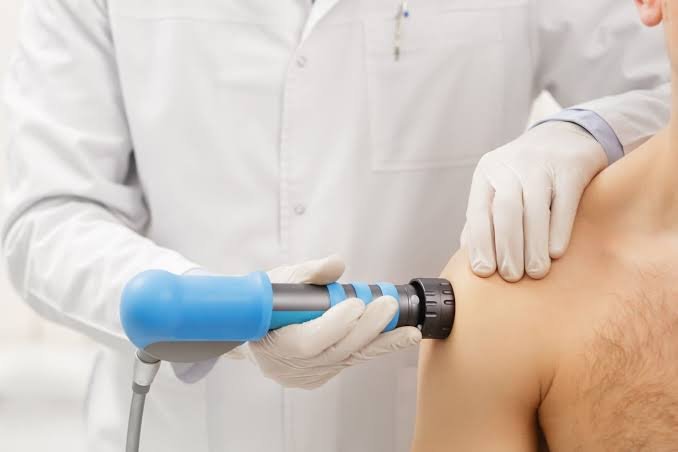
Extracorporeal shockwave therapy uses high energy acoustic sound waves delivered through a specialized handheld applicator placed gently against the skin. Despite its name, the treatment involves no electricity, needles, or surgical incisions. Instead, controlled mechanical pulses travel safely into deep rotator cuff tendons and surrounding soft tissues where surface creams and basic stretching cannot reach.
When these acoustic waves interact with damaged tissue, they trigger several beneficial biological responses. First, the mechanical stimulation increases local microcirculation and encourages the formation of new tiny blood vessels, bringing fresh oxygen and essential nutrients into starved tendon fibers. Second, the pulses stimulate collagen production while helping break down stubborn scar tissue and calcific deposits that restrict joint glide. Third, the treatment calms overactive local pain receptors, often delivering noticeable soreness relief even early in the recovery process. Many active individuals choose shockwave therapy for shoulder pain precisely because it addresses structural tissue health rather than merely masking discomfort with temporary medication.
Common Shoulder Conditions That Benefit From Treatment
A wide variety of upper extremity injuries respond well to targeted acoustic wave stimulation, particularly when symptoms have lingered for six weeks or longer. Rotator cuff tendinopathy is one of the most frequent diagnoses treated, helping rebuild strength and resilience in overworked supraspinatus and infraspinatus tendons. Calcific tendinitis, a particularly painful condition where calcium deposits accumulate inside the tendon and cause sudden flare ups, also responds remarkably well as acoustic pulses help fragment and reabsorb those hardened deposits naturally.
Patients dealing with subacromial impingement, biceps tendonitis, lingering frozen shoulder stiffness in its recovery phase, and chronic myofascial trigger points across the upper trapezius and deltoid muscles can also experience meaningful progress. Incorporating shockwave therapy for shoulder pain into a structured care plan helps restore smoother joint mechanics so everyday reaching, lifting, and athletic movements feel natural again.
What to Expect During Your Visit at VIRA Physiotherapy & Sports Injury Clinic
Starting an unfamiliar therapy feels much more reassuring when every step is clear from the beginning. Your experience at VIRA Physiotherapy & Sports Injury Clinic begins with a thorough one on one physical assessment. Rather than focusing solely on the spot that aches, your physiotherapist evaluates shoulder blade tracking, thoracic spine mobility, rotator cuff strength, and neck posture to identify every factor contributing to joint overload.
Once your clinician confirms that acoustic wave treatment fits your condition safely, a thin layer of water based ultrasound gel is applied over the targeted shoulder area to ensure smooth sound wave transmission. The handheld applicator is then moved gently across the affected tendon while delivering rapid, rhythmic acoustic pulses. You will hear a soft clicking sound and feel a firm tapping sensation against the skin. Your physiotherapist adjusts the energy level continuously based on your comfort feedback so the fifteen to twenty minute session remains easily tolerable. There is no anesthesia or downtime required, allowing you to leave the clinic and resume normal daily routines right away.
Pairing Shockwave Therapy With Active Shoulder Rehabilitation
While acoustic stimulation provides a powerful biological spark for tissue healing, long term shoulder resilience requires restoring balanced strength and coordinated joint control. That is why combining shockwave therapy for shoulder pain with progressive physiotherapy exercises yields far stronger outcomes than passive modalities alone. As tissue sensitivity drops and blood flow improves, the rotator cuff becomes much better prepared to tolerate gradual strengthening.
Your physiotherapist guides you through customized mobility drills, scapular stabilization work, and controlled eccentric exercises that encourage newly formed collagen fibers to align along healthy lines of tension. Strengthening the muscles that support your shoulder blade prevents future pinching during overhead motion, whether you are swimming, lifting weights, painting a ceiling, or carrying children. This integrated approach protects your recovery so pain does not return once treatment concludes.
Knowing When to Seek Professional Care for Shoulder Discomfort
Many people delay seeking treatment for shoulder soreness because they assume stiffness will eventually work itself out with extra rest. However, avoiding movement for months often weakens stabilizing muscles and allows scar tissue to tighten further. Consulting a licensed physiotherapist for shockwave therapy for shoulder pain is especially worthwhile if aching persists beyond a month, wakes you up when rolling onto your side at night, or limits your ability to lift your arm comfortably.
During your initial screening, your clinician also reviews important medical safety guidelines to ensure treatment is completely appropriate, avoiding application over active infections, open wounds, malignant tissues, blood clotting disorders, or pregnancy. With individualized oversight, most patients complete a focused series of three to six weekly sessions and notice progressive improvements in reach, strength, and daily comfort.
Conclusion
Persistent shoulder pain can slowly shrink your independence, disrupting restful sleep, work productivity, and favorite recreational activities. Non invasive acoustic wave technology offers an evidence based path forward by stimulating real cellular regeneration, breaking down calcific deposits, and restoring healthy blood supply to overworked tendons without surgery or extended downtime. Through attentive clinical assessments, personalized exercise progressions, and dedicated hands on support, VIRA Physiotherapy & Sports Injury Clinic helps patients rebuild strong, reliable shoulder function. If nagging upper arm or joint soreness has been holding you back, scheduling an evaluation for shockwave therapy for shoulder pain can be a practical, empowering step toward lasting relief and effortless movement.