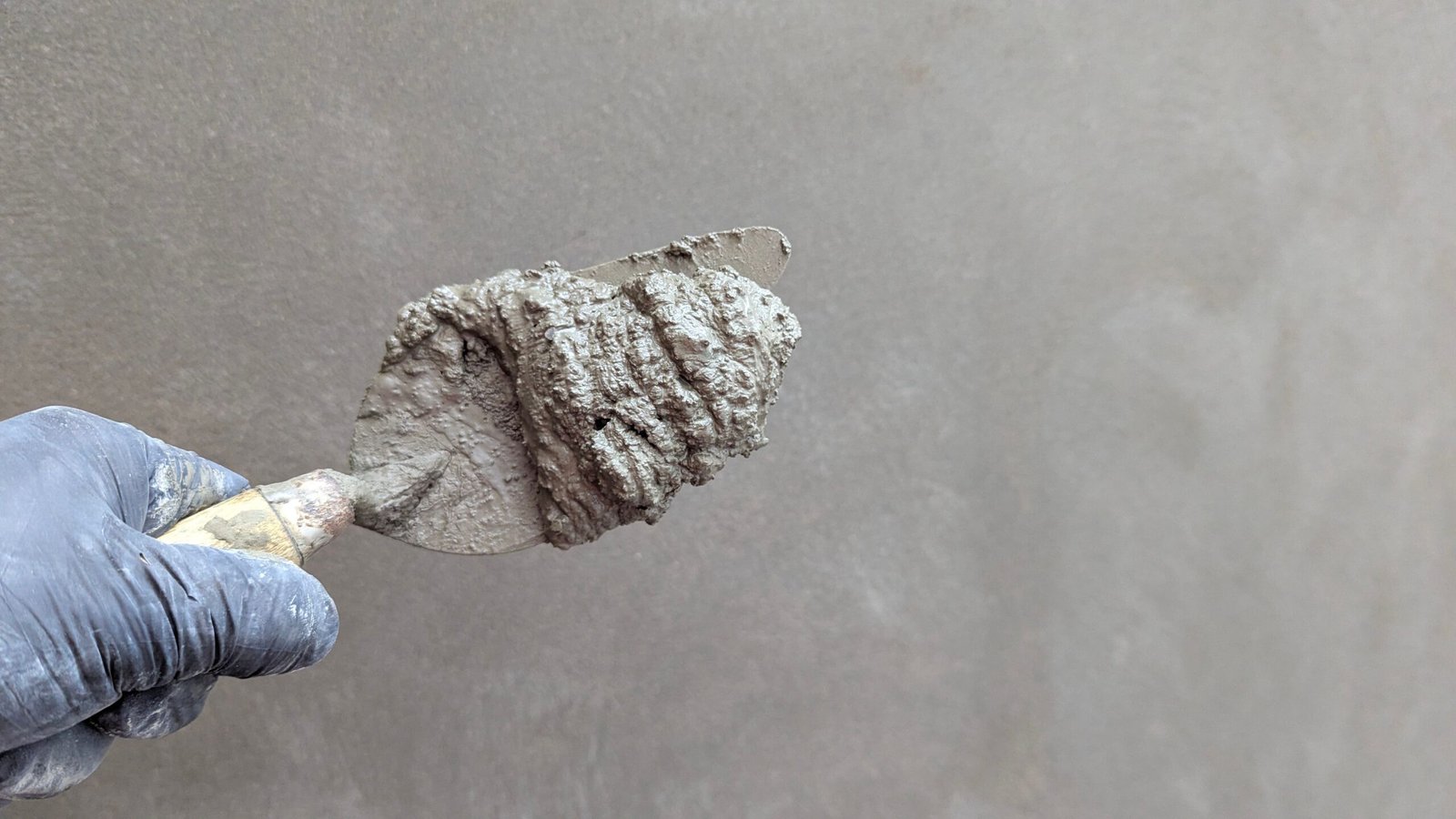
Decorative concrete overlays can transform worn, stained, or dated driveways, patios, pool decks, and walkways into attractive, durable surfaces that look new again. However, the long-term success of any overlay project depends far less on the color or pattern selected and far more on the surface preparation and application techniques used during installation. Many homeowners focus on the finished look, but experienced contractors know that improper preparation is the leading cause of overlay failure, leading to delamination, cracking, peeling, and costly repairs. Understanding the preparation and application process helps property owners ask better questions, evaluate contractor proposals, and make informed decisions that protect their investment. A Concrete Overlay Colleyville service brings the technical expertise needed to assess existing concrete, prepare it correctly, and apply overlay systems that bond properly and perform under local weather conditions.
The demand for decorative overlays has grown because they offer a cost-effective alternative to full concrete replacement, but this popularity has also brought a wide range of contractors with varying levels of expertise. Surface preparation involves mechanical grinding, crack repair, cleaning, and moisture testing, while application requires careful mixing, timing, texturing, and curing. Each stage affects the next, and shortcuts in preparation often become visible within a season or two. This article explains the critical steps in surface preparation and overlay application, the standards property owners should expect, and the practical considerations that determine whether a decorative overlay remains beautiful and functional for years.
Understanding Concrete Overlay Colleyville and the Role of Preparation
A concrete overlay is a thin or thick layer of cementitious or polymer-modified material applied over an existing concrete slab to restore appearance and improve performance. Unlike paint or simple coatings, an overlay bonds chemically and mechanically to the substrate, creating a new wear surface that can be textured, colored, stamped, or stained. The key to a successful bond is surface preparation, which creates the profile and cleanliness needed for adhesion. A Concrete Overlay Colleyville contractor begins by evaluating the existing concrete for structural integrity, cracking, spalling, and moisture issues, because an overlay cannot compensate for a failing substrate. The contractor then determines the appropriate preparation method, which may include grinding, shot blasting, or scarifying to remove surface contaminants and create a roughened profile. Understanding why preparation matters helps homeowners recognize that the visible finish is only as good as the hidden work beneath it.
Why Surface Preparation Determines Overlay Success
Surface preparation is the foundation of overlay durability, and it directly determines whether the new layer will bond, remain stable, and resist wear. Existing concrete surfaces often contain contaminants such as oil, grease, dirt, curing compounds, and sealers that prevent adhesion if not removed. The surface profile must be rough enough to allow the overlay material to grip, but not so aggressive that it damages the substrate. Cracks must be evaluated and repaired, because movement in the underlying slab can telegraph through the overlay and cause reflective cracking. Moisture testing is also important, since vapor transmission from the slab can affect bonding and cause blistering or delamination. Contractors who skip or rush these steps may produce a surface that looks good initially but fails prematurely. Property owners should ask how the contractor will prepare the surface, what equipment will be used, and how cracks and contaminants will be addressed before any overlay material is applied.
Step-by-Step Surface Preparation Techniques
Professional surface preparation follows a sequence designed to create a clean, sound, and properly profiled substrate. The process typically begins with a thorough inspection and cleaning to remove loose material, dirt, and grease. Mechanical preparation follows, using grinding, shot blasting, or scarifying equipment to remove the top layer of concrete and expose a fresh, roughened surface. Cracks are then routed, cleaned, and filled with appropriate repair materials, and any spalled or delaminated areas are removed and patched. Moisture testing may be performed to confirm that the slab is suitable for overlay application, and bonding agents or primers are selected based on the overlay system and substrate conditions. Throughout this process, the contractor should manage dust and debris carefully to protect the property and workers. Homeowners should expect clear explanations of each step and should not hesitate to ask how the contractor verifies that the surface is ready for application.
Application Methods and Decorative Techniques
Application methods vary depending on the overlay system and the desired finish, but all require careful timing, mixing, and technique. The overlay material must be mixed according to manufacturer specifications, applied at the correct thickness, and worked consistently to avoid seams, trowel marks, or uneven texture. For stamped overlays, the material is imprinted with textured mats or stamps before it sets, creating patterns that resemble stone, brick, tile, or wood. Stained and dyed finishes are applied after the overlay has cured sufficiently, with color layered to achieve depth and variation. Spray-down and knockdown finishes create texture by applying material and then knocking it down with a trowel, producing a subtle, mottled appearance that hides imperfections. Curing and sealing follow, with timing determined by weather conditions and product requirements. Homeowners should ask how the contractor will manage application timing, protect the surface during curing, and ensure consistent color and texture across the entire project.
Choosing the Right Concrete Overlay Colleyville Contractor
Selecting the right contractor requires attention to experience, insurance, references, and communication. Homeowners should verify that the contractor has specific experience with overlay systems rather than general concrete work, because overlay installation requires different skills and product knowledge. A reliable Concrete Overlay Colleyville provider will inspect the existing concrete, explain which overlay system is appropriate, and discuss limitations and expected lifespan honestly. Written estimates should clarify surface preparation methods, products to be used, color and texture options, curing and sealing, and warranty terms. Homeowners should ask how the contractor handles cracks, moisture issues, and areas that may require repair before overlay application. References from projects with similar surfaces and conditions can reveal whether the finished work holds up after weather and use. A contractor who explains the process clearly and welcomes questions about preparation and materials is more likely to deliver a durable, attractive result.
Quality, Safety, and Industry Standards
Quality and safety standards in overlay installation focus on proper substrate preparation, product selection, and application conditions. Contractors should follow manufacturer guidelines for surface profile, moisture content, mixing ratios, and curing times, because deviations can cause delamination, cracking, or color inconsistency. Safety practices include protecting workers from dust during grinding or scarifying, proper ventilation when using chemical products, and safe handling of equipment. Homeowners should ask how the contractor will manage dust, noise, and debris, and how adjacent surfaces and landscaping will be protected during work. Quality control includes checking for consistent texture and color, verifying adhesion, and confirming that the surface is properly sealed after curing. A contractor who welcomes questions about preparation standards and product specifications is demonstrating the kind of accountability that leads to reliable workmanship and long-lasting decorative results.
Benefits of Professional Overlay Preparation and Application
Professional preparation and application deliver benefits that extend well beyond appearance. A properly bonded overlay resists delamination, cracking, and staining, extending the service life of existing concrete and delaying the need for replacement. Decorative finishes improve curb appeal and property value, while textured surfaces can enhance slip resistance and safety around pools and walkways. The resurfacing process is typically faster and less disruptive than full replacement, and it reduces waste by preserving the existing slab. Homeowners gain predictable scheduling, clear responsibility for mistakes, and warranty protection that informal labor arrangements rarely provide. When the substrate is suitable and the work is performed correctly, a decorative overlay can transform a worn surface into a beautiful, functional area that family and guests can enjoy for years. The investment is protected by the quality of the preparation and the skill of the application.
Future Trends in Overlay Preparation and Application
Overlay systems continue to evolve toward more durable materials, improved color stability, and eco-friendly formulations. Manufacturers are developing polymer-modified products that resist UV fading and temperature extremes better than earlier generations, while low-VOC options appeal to environmentally conscious homeowners. Digital design tools are helping contractors and homeowners visualize patterns and colors before installation, reducing the risk of dissatisfaction. Surface preparation equipment is also improving, with dust containment systems and more efficient grinding and blasting tools that reduce mess and improve worker safety. These trends do not replace the fundamentals of thorough preparation and proper application; instead, they make contractor expertise more important because product selection and preparation methods must match the specific conditions of each project. Homeowners who understand these trends can ask more informed questions and plan for long-term maintenance.
Conclusion
Decorative concrete overlays offer homeowners a practical and attractive way to restore worn concrete without the cost and disruption of full replacement, but the success of any project depends on thorough surface preparation and skilled application. Understanding the steps involved helps property owners evaluate contractor proposals, ask the right questions, and avoid the premature failures that result from rushed or incomplete work. A qualified Concrete Overlay Colleyville provider brings the technical knowledge and experience needed to prepare existing concrete correctly and apply decorative finishes that bond properly and last. With the right contractor and a well-executed installation, homeowners can enjoy a refreshed driveway, patio, or pool deck that looks new and performs reliably for many years. Decorative overlays are an investment in appearance, safety, and long-term property performance that delivers visible results from the day the project is complete.