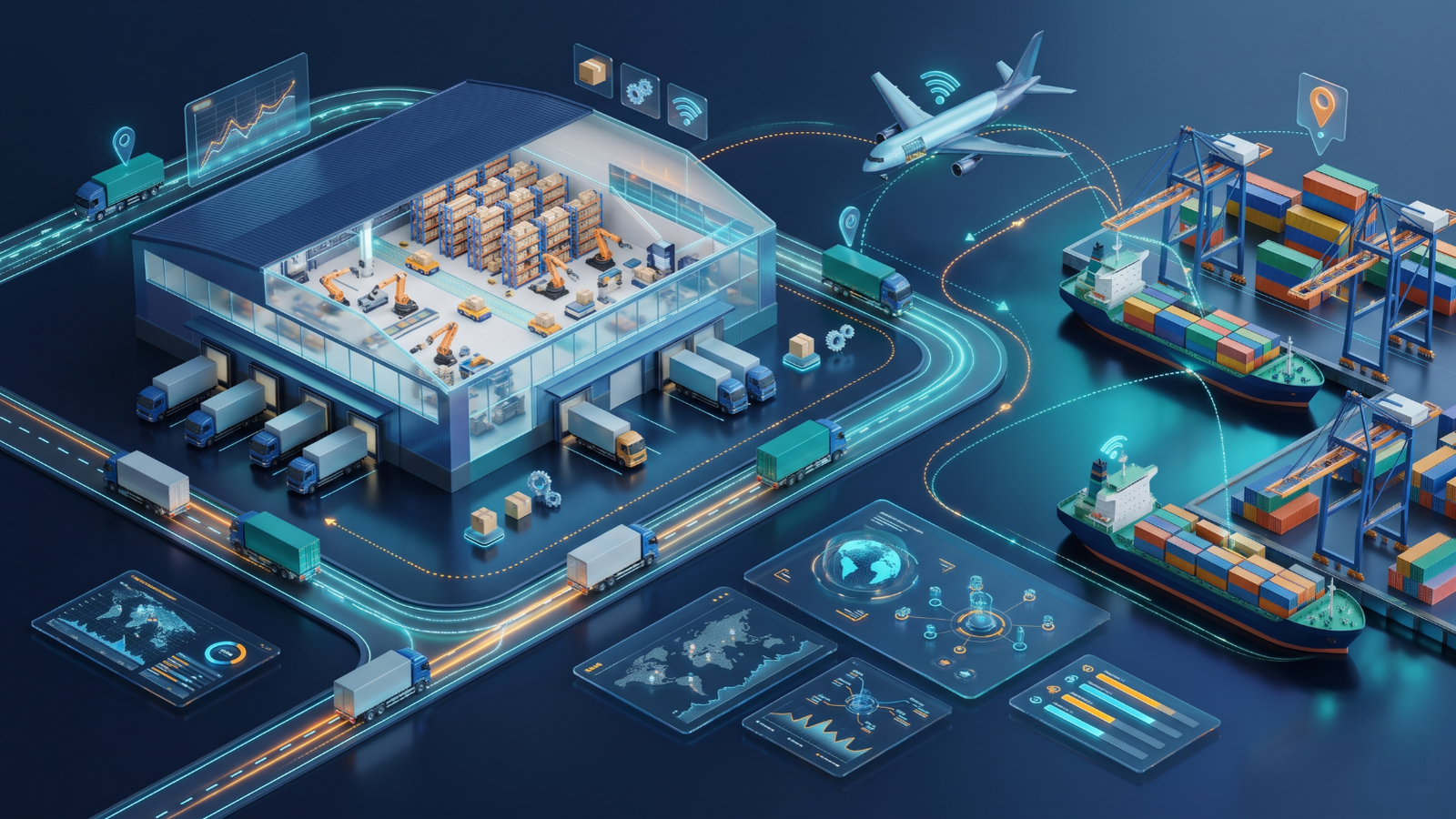
Modern supply chains involve multiple processes, including inventory management, order processing, transportation, warehousing, and delivery coordination. Managing these operations efficiently can be challenging, especially when businesses rely on disconnected systems and manual workflows. As customer expectations increase and market conditions continue to change, companies need smarter ways to manage their supply chain operations.
This is where Custom Software Solutions play an important role. Businesses can use tailored digital platforms to connect different operations, automate repetitive tasks, improve visibility, and make informed decisions. With the right technology, organizations can build more flexible and efficient supply chains that support long-term business growth.
Why Modern Supply Chains Need Custom Software Solutions
Traditional supply chain management methods often create operational challenges. Managing information across spreadsheets, separate applications, and manual reporting systems can lead to delays, inaccurate inventory records, and communication gaps.
Custom software helps businesses address these challenges by creating a centralized platform that connects essential operations.
Unlike generic software, customized solutions are designed around specific business requirements. They can support existing workflows, integrate with third-party applications, and adapt as operational needs change.
Some important benefits include:
- Improved coordination between departments and partners.
- Better inventory and shipment visibility.
- Reduced manual work through process automation.
- Faster access to operational information.
- More accurate business reporting.
- Flexible systems that support business expansion.
Through effective Supply Chain Software Development, businesses can establish a connected technology environment that improves operational control and productivity.
1. Real-Time Inventory Management and Tracking
Inventory management is one of the most important parts of supply chain operations. Businesses need accurate information about available stock, incoming shipments, warehouse locations, and product movement.
Without proper visibility, organizations may experience overstocking, stock shortages, delayed orders, and unnecessary storage costs.
Custom inventory management software provides real-time access to stock information across multiple warehouses and distribution centers. It can automatically update inventory records whenever products are received, transferred, dispatched, or returned.
Businesses can also integrate barcode scanning, RFID technology, and IoT devices to improve inventory accuracy and reduce manual errors.
With real-time inventory tracking, companies can maintain better stock levels, improve order fulfillment, and make more informed purchasing decisions.
2. Streamlining Logistics and Transportation Operations
Transportation directly affects delivery timelines, customer satisfaction, and overall supply chain expenses. Managing multiple vehicles, delivery routes, drivers, and shipments manually can become difficult as businesses expand.
This is where Logistics Software Development helps organizations improve transportation management.
Custom logistics platforms can bring important transportation activities together, including:
- Vehicle and fleet management.
- Route planning and optimization.
- Shipment tracking and monitoring.
- Driver assignment and scheduling.
- Delivery status management.
- Electronic proof of delivery.
These capabilities help logistics teams monitor transportation activities, identify delays, and coordinate deliveries more efficiently.
Businesses can also use GPS tracking and automated notifications to improve communication between drivers, dispatchers, and customers.
3. Improving Supply Chain Visibility Through Data Integration
Supply chain operations involve several stakeholders, including suppliers, manufacturers, warehouse teams, transportation providers, and customers. When each department uses separate systems, sharing accurate information becomes difficult.
Custom software solutions help connect these systems through API integrations and centralized data management.
This integration creates a more connected operational environment where teams can access consistent information.
Improved visibility allows businesses to monitor order progress, identify supply chain disruptions, track inventory movement, and respond to operational issues faster.
4. Using AI to Improve Supply Chain Decision-Making
Artificial intelligence is changing how businesses manage modern supply chains. Instead of relying entirely on manual analysis and historical reports, companies can use AI-powered tools to identify patterns, predict potential issues, and improve operational decisions.
AI Logistics Software Development enables businesses to introduce intelligent capabilities into their existing supply chain processes.
Some practical applications include:
Demand Forecasting: AI analyzes historical sales, seasonal trends, and market data to estimate future product demand.
Route Optimization: Intelligent algorithms evaluate traffic conditions, delivery locations, and transportation constraints to identify efficient routes.
Predictive Maintenance: AI-powered systems analyze vehicle and equipment performance to identify possible maintenance requirements before unexpected breakdowns occur.
Warehouse Automation: Intelligent systems can improve stock allocation, order processing, and warehouse resource planning.
By integrating AI into supply chain operations, businesses can reduce inefficiencies, improve resource utilization, and make data-driven decisions.
5. Automating Repetitive Supply Chain Processes
Manual processes consume valuable time and increase the possibility of human error. Activities such as order entry, invoice processing, shipment updates, inventory reconciliation, and delivery notifications can become difficult to manage as transaction volumes increase.
Custom automation solutions help businesses simplify these repetitive activities.
Similarly, automated warehouse workflows can improve picking, packing, dispatching, and stock replenishment.
These capabilities reduce administrative workloads and allow employees to focus on more important operational responsibilities.
Effective automation also improves process consistency and helps businesses handle increasing workloads without unnecessarily expanding their operational resources.
6. Supporting Logistics Digital Transformation
Digital transformation is no longer limited to replacing outdated software. It involves improving how businesses manage information, coordinate operations, and deliver services through connected technologies.
Logistics Digital Transformation helps organizations move toward smarter, more transparent, and technology-driven supply chain operations.
Custom software development supports this transformation by providing solutions that align with specific business goals.
Cloud technology also allows authorized teams to access operational information from different locations, supporting better coordination between warehouses, offices, and transportation networks.
A well-planned digital transformation strategy helps businesses improve operational flexibility while preparing their supply chains for future demands.
7. Enhancing Scalability and Business Flexibility
As businesses grow, their supply chain requirements become more complex. They may need to manage additional warehouses, expand delivery networks, onboard new suppliers, or process higher order volumes.
Ready-made applications may not always provide the flexibility required to support these changing requirements.
Custom Software Solutions offer greater control over system functionality, integrations, and future enhancements.
Businesses can introduce additional modules, connect new applications, and expand system capabilities as operational needs evolve.
This flexible approach allows organizations to build technology that grows alongside their business.
8. Strengthening Supply Chain Security and Data Management
Supply chain platforms handle important business information, including customer details, supplier records, shipment information, inventory data, and financial transactions.
Protecting this information is essential for maintaining operational reliability and business trust.
Custom software can incorporate security features based on an organization’s requirements, such as role-based access control, data encryption, secure authentication, activity monitoring, and regular data backups.
Businesses can also implement integration security measures to protect information exchanged between connected applications.
Working with an experienced software development team helps organizations consider security, compliance, and system reliability throughout the development process.
How to Choose the Right Supply Chain Software Development Partner
Selecting the right technology partner is an important step in building a successful digital supply chain.
Businesses should evaluate potential development partners based on their technical expertise, industry understanding, customization capabilities, and ability to deliver scalable applications.
Before selecting a partner, consider the following factors:
- Industry Experience: Look for a team that understands logistics, transportation, inventory, and warehouse management workflows.
- Technical Expertise: Evaluate experience in cloud platforms, AI integration, API development, and modern application technologies.
- Customization Capabilities: Ensure the development team can build software around your specific operational requirements.
- Integration Support: Confirm that the solution can connect with your existing business applications.
- Scalability and Maintenance: Choose a partner that can support future upgrades, performance improvements, and ongoing maintenance.
A reliable development partner should understand your business challenges and recommend technology that delivers measurable operational value.
Conclusion
Modern supply chain management requires more than traditional operational tools. Businesses need connected, intelligent, and scalable technology to improve inventory control, streamline transportation, automate workflows, and maintain real-time visibility.
Through effective Supply Chain Software Development, organizations can create customized platforms that address their operational challenges and support long-term growth.
From logistics automation and AI-powered forecasting to warehouse management and system integration, the right Custom Software Solutions can help businesses build more efficient and resilient supply chains.
Technology partners such as SSTech System help businesses explore software development opportunities that align with their operational requirements and digital transformation goals.
As supply chain demands continue to evolve, investing in customized software can help organizations improve efficiency, strengthen coordination, and remain competitive in an increasingly digital business environment.