
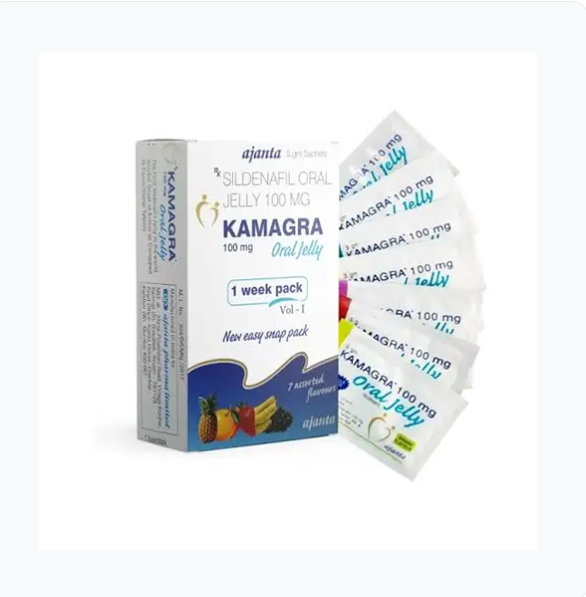
Kamagra Oral Jelly Safety Guide: Potential Interactions and Precautions
Understanding medication safety is essential when researching products associated with erectile dysfunction (ED). Kamagra Oral Jelly is marketed as a sildenafil-containing product in a flavoured jelly formulation. Sildenafil is a well-known active ingredient belonging to a group of medicines called phosphodiesterase type 5 (PDE5) inhibitors.
Although sildenafil is used in approved prescription medicines for erectile dysfunction, it can cause side effects and interact with other medications. Understanding these potential risks, precautions, and regulatory considerations is important before making decisions about treatment.
What Is Kamagra Oral Jelly?
Kamagra Oral Jelly is marketed as an oral jelly product containing sildenafil citrate. It is commonly promoted for erectile dysfunction and supplied in individual sachets.
Sildenafil works by supporting blood flow to penile tissue during sexual stimulation. It inhibits the PDE5 enzyme, helping maintain levels of cyclic guanosine monophosphate (cGMP), which plays a role in relaxing smooth muscles and regulating blood circulation.
However, Kamagra Oral Jelly is not approved by Australia’s Therapeutic Goods Administration (TGA). Its advertised ingredients, manufacturing quality, and safety should not be assumed to meet Australian pharmaceutical standards.
Why Is Medication Safety Important?
Erectile dysfunction can be associated with underlying health conditions, including diabetes, cardiovascular disease, high blood pressure, and psychological factors.
People experiencing erectile difficulties may already be taking medication for other conditions. Combining different medicines without professional guidance can increase the risk of unwanted reactions.
Sildenafil affects blood vessel activity and can lower blood pressure. Therefore, checking existing medications and medical history is an important part of evaluating whether sildenafil-based treatment is appropriate.
Potential Drug Interactions
Sildenafil can interact with several medications. Some combinations may cause serious health complications.
1. Nitrate Medications
One of the most important safety considerations involves nitrate medicines. These are commonly prescribed for angina and certain heart conditions.
Combining sildenafil with nitrates can cause a significant and potentially dangerous drop in blood pressure. Examples include nitroglycerin and isosorbide preparations.
This combination is contraindicated and must be avoided.
2. Blood Pressure Medications
Certain blood pressure medicines may increase the blood-pressure-lowering effects of sildenafil.
People taking antihypertensive treatments should discuss potential interactions with their healthcare professional before considering sildenafil.
3. Alpha-Blockers
Alpha-blockers are sometimes prescribed for high blood pressure or urinary symptoms associated with an enlarged prostate.
When combined with sildenafil, they may increase the possibility of dizziness, light-headedness, or low blood pressure. Medical assessment is important before using these medicines together.
4. Other PDE5 Inhibitors
Combining sildenafil with other erectile dysfunction medicines, such as tadalafil or vardenafil, can increase the risk of side effects and excessive blood-pressure reduction.
Patients should not combine different PDE5 inhibitors unless specifically directed by a qualified healthcare professional.
5. Certain Antibiotics and Antifungal Medicines
Some antibiotics and antifungal medicines can affect the enzymes responsible for metabolising sildenafil.
Examples include clarithromycin, erythromycin, ketoconazole, and itraconazole. These medicines may increase sildenafil exposure and the likelihood of adverse effects.
6. HIV Medicines
Certain HIV treatments, particularly ritonavir-containing medicines, can significantly increase sildenafil concentrations in the body.
People receiving HIV treatment should discuss all potential interactions with their prescribing healthcare professional.
Possible Side Effects to Understand
Sildenafil-containing medicines can cause side effects, even when used appropriately.
Commonly reported reactions include:
- Headaches.
- Facial flushing.
- Nasal congestion.
- Indigestion.
- Dizziness.
- Visual disturbances.
- Muscle or back discomfort.
Most common reactions are temporary, but severe or unexpected symptoms should not be ignored.
Some serious warning signs include chest pain, sudden loss of vision or hearing, severe allergic reactions, and an erection lasting more than four hours. These situations require immediate medical attention.
If chest pain occurs after taking a sildenafil-containing medicine, seek emergency assistance and tell medical professionals what was taken. Do not take nitrate medication unless emergency clinicians specifically direct its use.
Important Precautions Before Considering Sildenafil
People with certain medical conditions may require additional assessment before using sildenafil.
These include:
Cardiovascular Conditions: People with serious heart disease, recent heart attacks, or recent strokes should receive medical advice before considering erectile dysfunction treatment.
Liver or Kidney Problems: These conditions may affect how the body processes or eliminates medicines.
Eye Conditions: People with certain retinal disorders or a history of sudden vision loss should discuss potential risks with their healthcare professional.
Blood Pressure Concerns: Both unusually low blood pressure and certain uncontrolled cardiovascular conditions require medical consideration.
Patients should also disclose allergies, existing medications, and supplements during a medical consultation.
Australian Regulatory and Product Safety Information
Australian consumers should pay particular attention to the regulatory status of Kamagra Oral Jelly.
The product is not approved by the Australian TGA. Purchasing medicines from unverified online sellers carries additional risks because products may contain incorrect ingredient quantities, undeclared substances, or contaminants.
Consumers should not assume that an advertised product has undergone the same quality and safety checks as an approved prescription medicine.
A qualified healthcare professional can discuss regulated sildenafil treatments and other suitable options.
Conclusion
Kamagra Oral Jelly is marketed as a sildenafil-containing product, but understanding its potential interactions and safety precautions is essential. Sildenafil can interact with nitrates, blood pressure medicines, alpha-blockers, certain antibiotics, antifungals, and HIV treatments.
Its possible side effects and the unapproved regulatory status of Kamagra Oral Jelly in Australia are also important considerations.
Rather than relying on online product claims, consumers should seek professional medical advice and use appropriately regulated treatment options.