
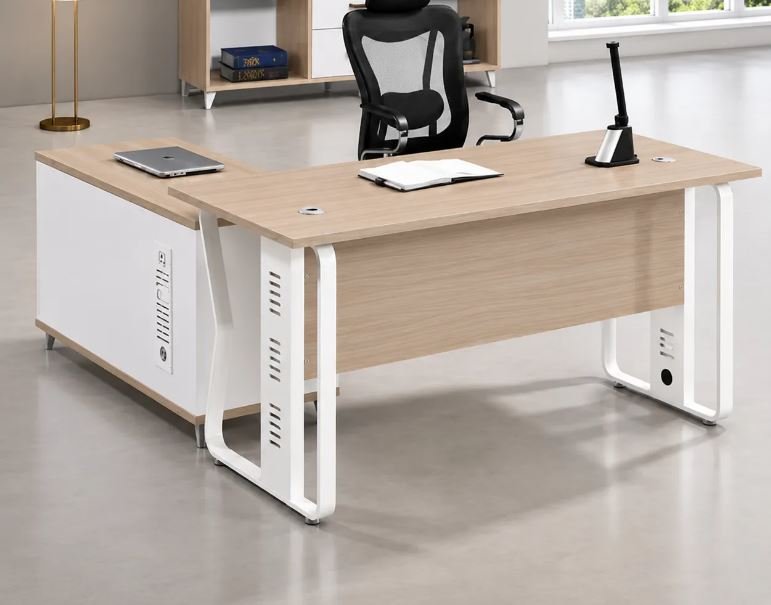
Creating a well-organized workplace requires furniture that supports employee activities, improves space utilization, and maintains a professional appearance. Office tables are among the most important furniture items because they provide the primary working surface for employees, managers, and business owners. A suitable Office Table Design should combine functionality, durability, comfort, and attractive finishing to meet the requirements of a modern business environment. Whether a company operates from a small office, a large corporate building, or a shared workspace, choosing appropriate tables can make everyday activities more convenient. The right furniture arrangement also helps employees organize their equipment, manage documents, and maintain a clean working area. Businesses should consider their interior layout, available floor space, employee responsibilities, and furniture budget before selecting suitable office tables.
Functional Office Tables for Everyday Business Activities
Every workplace has different furniture requirements depending on its daily operations. Employees who work with computers need enough surface space for monitors, keyboards, and accessories, while administrative staff may require additional room for documents and office supplies. Managers often prefer larger tables that can accommodate paperwork and business discussions. Selecting furniture according to these activities helps create a more practical working environment. Businesses should also consider the number of employees using each area and the amount of equipment placed on individual desks. Tables with appropriate dimensions can prevent unnecessary clutter and provide employees with enough room to complete their responsibilities. Functional furniture also supports better office planning because each workstation can be arranged according to its specific purpose.
Modern Desk Styles for Professional Office Interiors
Modern office interiors often feature furniture with clean lines, simple shapes, and practical finishes. These styles are suitable for companies that want their workplaces to look organized and professional. Rectangular desks remain popular because they provide a straightforward working surface and fit easily into different office layouts. Curved tables can add a distinctive appearance to executive rooms and reception areas, while minimalist desks are useful for businesses that prefer uncluttered interiors. Color selection also influences the overall atmosphere. White, grey, black, and natural wood finishes can complement different office themes. Businesses should select table styles that coordinate with existing chairs, cabinets, partitions, and flooring. A consistent furniture arrangement creates a balanced appearance without making the workplace feel overly decorative.
Executive Office Tables for Managers and Directors
Executive offices require furniture that supports important business responsibilities and creates a professional impression. Executive tables generally offer larger working surfaces, additional storage, and attractive finishes. They provide space for computers, business documents, telephones, and meeting accessories. Some designs include side extensions that allow managers to organize paperwork separately from their main working area. Built-in drawers and cabinets can also help keep essential items accessible. Material selection is important because executive furniture often becomes a noticeable part of the office interior. Wood-inspired finishes, durable laminated surfaces, and metal accents are common choices. Businesses should consider the dimensions of the room before selecting an executive desk. A suitable table should provide enough working space without restricting movement or making the room appear crowded.
Modular Office Tables for Growing Companies
Businesses experiencing growth may need furniture that can adapt to changing employee numbers and department requirements. Modular office tables provide a flexible solution because individual units can be combined or rearranged according to available space. Companies can use them to create individual workstations, shared desks, and collaborative areas. Some modular systems also include partition panels that help employees maintain personal working space. These designs are particularly useful for offices where teams regularly change their seating arrangements. Modular furniture can simplify future office planning because businesses may be able to expand existing setups instead of replacing the entire furniture arrangement. Before purchasing these tables, organizations should consider the available floor area, employee movement, storage requirements, and electrical connections. Proper planning helps create a flexible workspace that supports changing business needs.
Compact Tables for Small Office Environments
Limited office space can make furniture selection challenging, particularly for startups and small businesses. Compact tables help organizations create functional workstations without occupying unnecessary floor space. Corner desks are useful for making better use of unused areas, while narrow tables can fit along walls and provide practical working surfaces. Foldable and multifunctional designs may also be useful in offices where furniture needs to be moved or rearranged regularly. Storage is another important consideration for small workplaces. Tables with drawers and integrated shelves can reduce the need for additional cabinets. Businesses should also leave sufficient room for office chairs, doors, and walking paths. Selecting furniture with suitable dimensions helps prevent overcrowding and makes smaller workplaces easier to manage.
Selecting Quality Materials for Office Furniture
The materials used in office tables influence their strength, appearance, and maintenance requirements. Businesses should choose materials according to the expected frequency of use and their available budget. Laminated boards are widely used because they are available in different colors, patterns, and finishes. They can provide a practical surface for everyday office activities when manufactured with suitable quality. Solid wood tables offer a traditional appearance and may be preferred for executive spaces. Metal frames provide structural support and can be combined with various tabletop materials. Glass surfaces create a contemporary look, although they generally require regular cleaning to maintain their appearance. Buyers should inspect the tabletop thickness, supporting structure, joints, edges, and finishing before making a decision. Choosing appropriate materials can help businesses maintain furniture quality over an extended period.
Comfortable Workstations with Ergonomic Features
Employee comfort should be considered when selecting tables for workplaces where people spend several hours completing daily tasks. A suitable table should provide appropriate height, sufficient legroom, and enough space for frequently used equipment. Employees should be able to position their monitors, keyboards, and documents without overcrowding the working surface. Adjustable-height tables offer additional flexibility because users can change the desk height according to their working preferences. Businesses should also select office chairs that complement the dimensions of their desks. The relationship between chair height, tabletop height, and monitor placement can influence overall workstation comfort. Proper furniture planning helps employees maintain more comfortable working positions and organize their equipment effectively. Companies that consider these details can create workstations that support everyday productivity.
Storage Features That Improve Office Organization
Office tables with built-in storage can help employees maintain organized workstations. Drawers provide convenient space for stationery, personal belongings, and important documents. Side compartments and shelves can also accommodate office accessories without taking up valuable tabletop space. Businesses should consider the amount of storage employees require before selecting furniture. Employees handling paperwork may need additional drawers, while computer-based workers may prefer more open surface space. Cable management is another useful feature in modern office environments. Cable openings, wire trays, and concealed compartments help organize electrical connections for computers, monitors, and other devices. These features reduce visible clutter and make workstation maintenance easier. A clean and organized desk can also help employees locate essential items quickly and manage their daily responsibilities more efficiently.
Choosing Suitable Colors for Office Table Finishes
Furniture colors contribute to the overall appearance and atmosphere of an office. Neutral shades such as white, grey, beige, and natural wood are versatile choices because they work well with different interior themes. Dark finishes can create a formal appearance in executive offices, while lighter shades may help smaller rooms feel more spacious. Businesses should also consider their wall colors, flooring, lighting, and other furniture when choosing table finishes. Matching every furniture item is not necessary, but maintaining a consistent color scheme can improve the overall interior. Surface texture should also be considered because some finishes may show dust, fingerprints, and scratches more easily than others. Selecting suitable colors and materials helps create a professional environment that remains attractive with regular use.
Meeting Tables for Productive Business Discussions
Meeting tables are important for offices that regularly conduct team discussions, client presentations, and planning sessions. Their size and shape should match the number of participants and the available room dimensions. Rectangular tables are commonly used in conference rooms because they provide an organized arrangement for larger groups. Round and oval tables can be suitable for smaller meeting areas where direct communication is important. Businesses should also consider the placement of laptops, presentation equipment, and electrical connections. Tables with integrated cable access can make technology easier to manage during meetings. Comfortable seating space and sufficient walking room should also be included in the room layout. A suitable meeting table supports professional discussions while maintaining an organized environment.
Maintenance Practices for Long-Lasting Office Tables
Proper maintenance helps preserve office furniture and reduces unnecessary replacement expenses. Employees should clean table surfaces regularly using products suitable for the selected material. Spills should be removed promptly to prevent stains or damage. Heavy equipment should be placed carefully, and excessive weight should be avoided on unsupported sections. Businesses should also inspect table legs, joints, drawers, and handles periodically to identify loose fittings. Desk mats and protective accessories can help prevent scratches from everyday equipment. Cable arrangements should be checked to avoid tangled wires and accidental pulling. Following manufacturer care instructions is especially important for laminated, wooden, and glass surfaces. Consistent maintenance keeps furniture looking professional and helps businesses protect their investment.
Frequently Asked Questions
What type of office table is suitable for corporate offices?
Executive desks, modular workstations, and rectangular office tables are popular choices depending on the available space and business requirements.
How can I select an office table for a small room?
Consider compact desks, corner tables, and multifunctional furniture that provides sufficient working space without overcrowding the room.
Which material is suitable for everyday office tables?
Quality laminated boards, solid wood, and metal-supported designs can be suitable options depending on durability, budget, and maintenance preferences.
Are modular office tables a good investment?
Yes. Modular tables offer flexibility and can be rearranged when businesses change their office layouts or employee numbers.
What features should a good office table include?
A practical office table should offer a stable structure, suitable dimensions, sufficient legroom, and useful storage or cable management features.
How can businesses maintain office tables?
Regular cleaning, careful handling, prompt spill removal, and periodic inspection of joints and supporting structures help maintain furniture quality.
Conclusion
Selecting suitable office tables requires careful planning and an understanding of everyday workplace activities. Businesses should consider furniture dimensions, materials, storage features, ergonomic requirements, and interior compatibility before making purchasing decisions. Whether choosing executive desks, modular workstations, compact tables, or meeting room furniture, every option should provide practical value and support the needs of employees. Quality furniture can help create organized workstations, improve the appearance of professional interiors, and support long-term business operations. Exploring the available options from Modern office table designs can help businesses identify furniture styles that combine functionality, durability, and attractive finishes for different workplace environments.