
Introduction
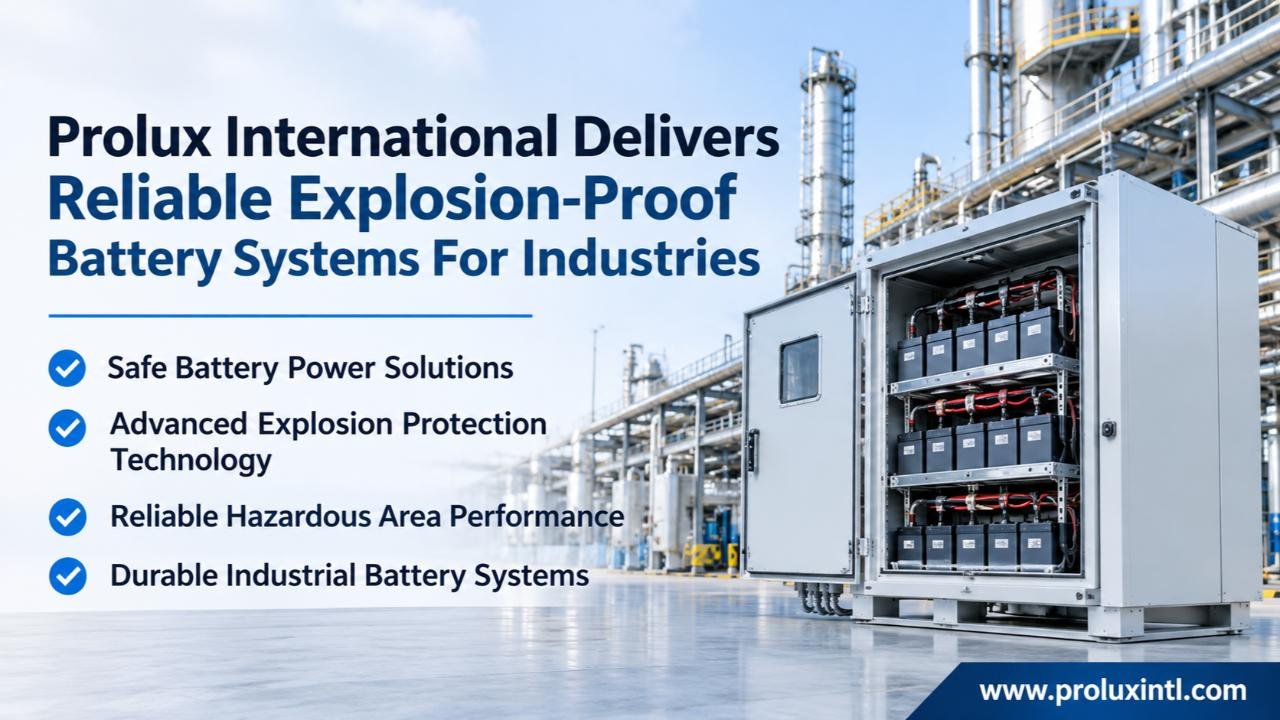
When we talk about powering heavy machinery in places where sparks can cause huge disasters, Explosion-Proof Battery Systems are the unsung heroes keeping everyone safe. Imagine working inside an underground coal mine, an offshore oil rig, or a chemical plant filled with invisible flammable vapors. In these spots, dropping a simple wrench or having a tiny electrical glitch inside a regular power pack can turn a normal workday into a nightmare. That is exactly why engineers spend countless hours figuring out how to build power units that can take a beating without letting a single spark escape into the outside air. By the time we finish walking through how these heavy-duty power boxes are put together, you will have a solid, down-to-earth understanding of what makes Explosion-Proof Battery Systems so dependable in the toughest workplaces on earth.
Key Features of Explosion-Proof Battery Systems
If you were to crack open one of these rugged power packs and look at how it is constructed, you would quickly realize it is nothing like the battery under the hood of your daily commuter car. The whole idea behind building safe industrial power units is to expect the worst to happen on the inside while making sure nothing bad ever leaks to the outside. Let us break down the core building blocks that give these units their strength:
-
Heavy-Duty Outer Casings: The outer shell is usually forged from thick cast aluminum or reinforced stainless steel. Think of it like a bank vault for electricity. Even if a battery cell inside overheats, swells up, or pops, the metal box is strong enough to swallow that blast whole without cracking or warping.
-
Smart Flame Paths: You might wonder how a sealed metal box handles intense internal pressure without blowing its lid off. Engineers machine tiny, super-precise gaps around the joints and bolts. If hot gases escape through these narrow channels, they have to travel so far against cool metal walls that they lose their heat completely before reaching the outside air.
-
Shock-Absorbing Inner Cradles: Industrial vehicles bounce over rocks and vibrate constantly. Inside the main housing, individual battery cells sit snug inside custom rubberized or foam-lined trays. This stops the cells from rattling against each other, which prevents frayed wires and internal short circuits.
-
Built-In Thermal Shields: Heat is the biggest enemy of stored energy. Designers place special heat-soaking plates and fire-resistant dividers between groups of cells. If one cell gets angry and starts heating up, these barriers stop that heat from spreading to its neighbors like dominoes.
How Engineers Keep Heat and Pressure Under Control in Explosion-Proof Battery Systems
You cannot just lock a bunch of high-powered cells inside an airtight steel box and hope for the best. Batteries breathe, warm up when working hard, and cool down when resting. If you trap too much heat inside, you are practically asking for trouble. That is why thermal and pressure management sits right at the heart of smart structural design.
Instead of relying on standard cooling fans that might pull dusty, gas-filled air straight into the electronics, builders use clever passive cooling tricks. The heavy metal walls of the enclosure act like a giant sponge for heat, pulling warmth away from the cells and releasing it slowly into the surrounding environment through ribbed outer fins. During the middle of a long, grueling shift, an integrated battery management system constantly keeps an eye on every single cell’s temperature and voltage, stepping in to cut the power long before things reach a boiling point.
On top of heat control, designers also have to think about sudden pressure spikes. If a chemical reaction goes sideways inside the box, pressure builds up in a split second. To handle this safely, specialized breather vents are built right into the frame. These vents stay shut during normal operation to keep water and dust out, yet they pop open at a very specific pressure threshold to let harmless gas escape in a controlled direction, keeping the main structure intact.
Choosing the Right Materials for Explosion-Proof Battery Systems
Picking the right metals and seals is a bit like picking the right gear for a mountain climb; if one cheap zipper fails, the whole jacket becomes useless. When crafting these protective enclosures, builders avoid plastics that can build up static electricity. A tiny static zap from a worker’s glove touching a plastic battery cover could ignite nearby fumes just as easily as a loose wire. Because of this, anti-static coatings and conductive metals are always the top choice.
Even the bolts and gaskets get special treatment. Engineers use high-tensile fasteners that will not stretch or snap under extreme internal force, and they space them out evenly so there are no weak spots along the lid. Between the lid and the box, tough silicone or fluorocarbon seals keep moisture, corrosive chemicals, and fine explosive dust from creeping inside. Every single seam, weld, and cable entry point is double-checked because a chain is only as strong as its weakest link.
Conclusion
Understanding how these rugged power units are built shows just how much thought goes into keeping workers safe in dangerous environments. From thick metal walls and clever cooling paths to anti-static materials and brutal lab testing, every structural choice serves one simple purpose: containing danger before it ever reaches the outside world. Getting these design details right takes years of hands-on engineering experience and an obsession with quality that leaves zero room for shortcuts. Whether you are outfitting mining equipment or upgrading heavy industrial machinery, working with trusted experts like Prolux International ensures you get reliable, field-ready power solutions built to handle the toughest conditions without compromise.