Exhibitions provide organisations with an opportunity to present their products, introduce new services, connect with industry professionals, and build meaningful business relationships. However, creating a successful exhibition requires more than arranging a venue and inviting visitors. Every aspect, from the initial concept to the final execution, needs careful coordination. This is where quality exhibition event management becomes essential. It brings together planning, creativity, technical expertise, and operational efficiency to create an organised and engaging experience for exhibitors and attendees.
Strategic Planning and Clear Objectives
Every successful exhibition begins with a well-defined plan. Organisers need to understand the purpose of the event, identify the target audience, and establish measurable objectives before making operational decisions. These objectives may include generating business leads, launching products, increasing brand awareness, or encouraging professional networking.
NOTE:-Every successful exhibition required thoughtful preparation and reliable event coordination. Exhibition event management in uae covered important activities, including planning, fabrication, installation, and on-site supervision. MYSTIQUE EXHIBITIONS LLC provided organised exhibition arrangements that supported effective presentations, comfortable visitor movement, and professionally managed event experiences.
Understanding the Event Requirements
The planning process involves identifying the exhibition format, expected attendance, participating organisations, and available resources. Understanding these requirements helps determine the appropriate venue, layout, equipment, and staffing arrangements.
A realistic timeline also plays an important role. Booking arrangements, exhibitor registrations, promotional activities, installation schedules, and technical preparations should be organised well in advance. Proper planning reduces last-minute complications and allows teams to respond to unexpected changes.
Creative Exhibition Design and Space Utilisation
Visual presentation is one of the most noticeable aspects of an exhibition. The overall design should attract visitors while making it easy for them to understand the products, services, or information being presented. A carefully designed exhibition environment creates a positive first impression and encourages people to explore different displays.
Functional Layout and Visitor Movement
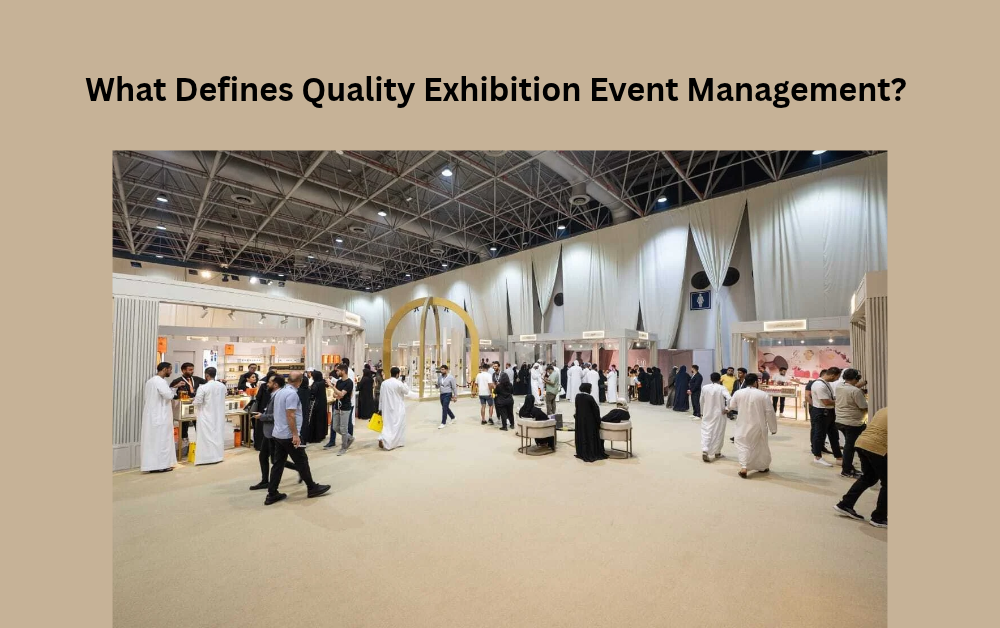
An effective exhibition layout considers available floor space, visitor movement, accessibility, and exhibitor requirements. Walkways should provide sufficient room for visitors to move comfortably without creating congestion. Display areas should be positioned strategically so that important exhibits receive appropriate attention.
Lighting, colours, graphics, furniture, and display structures also contribute to the overall appearance. These elements should work together to create a consistent visual environment without overwhelming visitors. A balance between attractive design and practical functionality helps improve the overall exhibition experience.
Efficient Coordination and Logistics
Behind every organised exhibition is a detailed operational process. Multiple activities must take place at the right time, often involving different suppliers, technical teams, exhibitors, and venue representatives. Strong coordination ensures that these responsibilities are handled efficiently.

Venue Preparation and Equipment Management
Logistical arrangements include transporting materials, installing exhibition stands, arranging furniture, managing electrical requirements, and preparing audio-visual equipment. Organisers must also ensure that all installations comply with venue guidelines and relevant safety requirements.
Clear communication between suppliers and event teams helps prevent delays during setup. Equipment should be checked before visitors arrive to identify technical problems early. Having backup arrangements for essential resources can also help maintain smooth operations if unexpected issues occur.
Professional Event Execution and On-Site Management
Planning establishes the foundation, but the actual execution determines how effectively an exhibition operates. On-site management involves supervising activities, coordinating staff, monitoring schedules, and resolving problems throughout the event.
Managing Staff and Exhibitor Requirements
Well-trained event staff help visitors find information, guide exhibitors, manage registrations, and address general enquiries. Their communication skills and understanding of the event contribute to a welcoming and professional atmosphere.
Organisers should maintain clear communication channels with exhibitors so that requests and operational concerns can be addressed quickly. Regular coordination meetings and designated contact persons make it easier to manage responsibilities during busy exhibition hours.
Handling Unexpected Situations
Unexpected challenges may include equipment failures, schedule changes, overcrowded areas, or delays in deliveries. An experienced management team should be prepared to handle such situations without disrupting the entire event. Quick decision-making, effective communication, and practical backup plans help maintain continuity.
Technology and Audience Engagement
Modern exhibitions increasingly use technology to improve communication and visitor participation. Digital registration systems, interactive screens, presentation equipment, and electronic information displays can make event activities more convenient and engaging.
Creating Interactive Experiences
Technology can help visitors explore product information, view demonstrations, participate in presentations, and connect with exhibitors. Digital tools may also support visitor registration, attendance monitoring, and information collection.
However, technology should serve a clear purpose rather than being included simply for appearance. Selecting suitable tools according to the event’s objectives ensures that digital features improve convenience and engagement.
Safety, Accessibility, and Visitor Comfort
A quality exhibition should provide a safe and comfortable environment for everyone attending. Safety planning includes checking electrical installations, maintaining clear emergency exits, managing crowd movement, and ensuring that temporary structures are properly installed.
Accessibility is equally important. Organisers should consider suitable entrances, clear directional signage, accessible pathways, and convenient facilities for visitors with different requirements. Seating arrangements, ventilation, lighting, and sanitation facilities also contribute to attendee comfort.
Attention to these details demonstrates professional responsibility and helps create an inclusive environment where visitors can participate without unnecessary difficulties.
Measuring Performance and Improving Future Events
The success of an exhibition should be evaluated after the event concludes. Collecting feedback from exhibitors, visitors, suppliers, and staff provides useful information about what worked well and which areas require improvement.
Performance can be assessed through visitor attendance, exhibitor participation, enquiry volumes, audience engagement, and feedback responses. Comparing these outcomes with the original objectives helps organisers understand the event’s effectiveness.
Post-event activities also include dismantling exhibition structures, returning rented equipment, clearing the venue, and completing outstanding operational responsibilities. Proper follow-up ensures that the event concludes as professionally as it began.
Conclusion
Quality exhibition event management depends on the successful combination of strategic planning, creative design, efficient logistics, professional coordination, and audience-focused execution. Every detail contributes to the overall experience, from selecting the right venue to maintaining visitor comfort and evaluating event performance. When these elements are managed effectively, exhibitions become organised platforms for communication, networking, and business development. A consistent focus on preparation, safety, and continuous improvement helps create meaningful experiences for exhibitors, organisers, and attendees.
For More Isightful Articles Related To This Topic, Feel Free To Visit: crypo.adseon.xyz