Introduction
Picking out the right material when you are planning a kitchen makeover can feel overwhelming, especially when you want something that lasts for decades rather than just a few years. Your Kitchen Cabinets take a beating every single day from steam rising off boiling pots, accidental water spills, heavy stacks of ceramic plates, and constant opening and closing. Because the kitchen is the busiest room in the house, choosing flimsy boards will only leave you dealing with sagging shelves and peeling doors sooner than you expect. If you want your investment to stay sturdy and look fresh through years of daily cooking, understanding which wood types actually hold up over time is the smartest place to start before buying new Kitchen Cabinets.
Key Features That Make Wood Last in a Busy Kitchen
Before jumping into specific wood names, it helps to know what separates a tough, reliable board from one that falls apart easily. Kitchens experience wild swings in temperature and moisture, which causes weak materials to swell, crack, or warp out of shape.
First, density plays a huge role in how well a board resists dents when you accidentally bang a heavy cast-iron skillet against a drawer front. Harder, tightly grained woods shrug off everyday bumps much better than softwoods. Second, moisture resistance is non-negotiable. Even if you wipe up spills right away, humidity from your dishwasher and stove will eventually test the glue and fibers holding everything together. Finally, screw-holding strength matters more than most beginners realize. Heavy doors need hinges that stay tightly anchored without stripping the wood fibers over thousands of pulls.
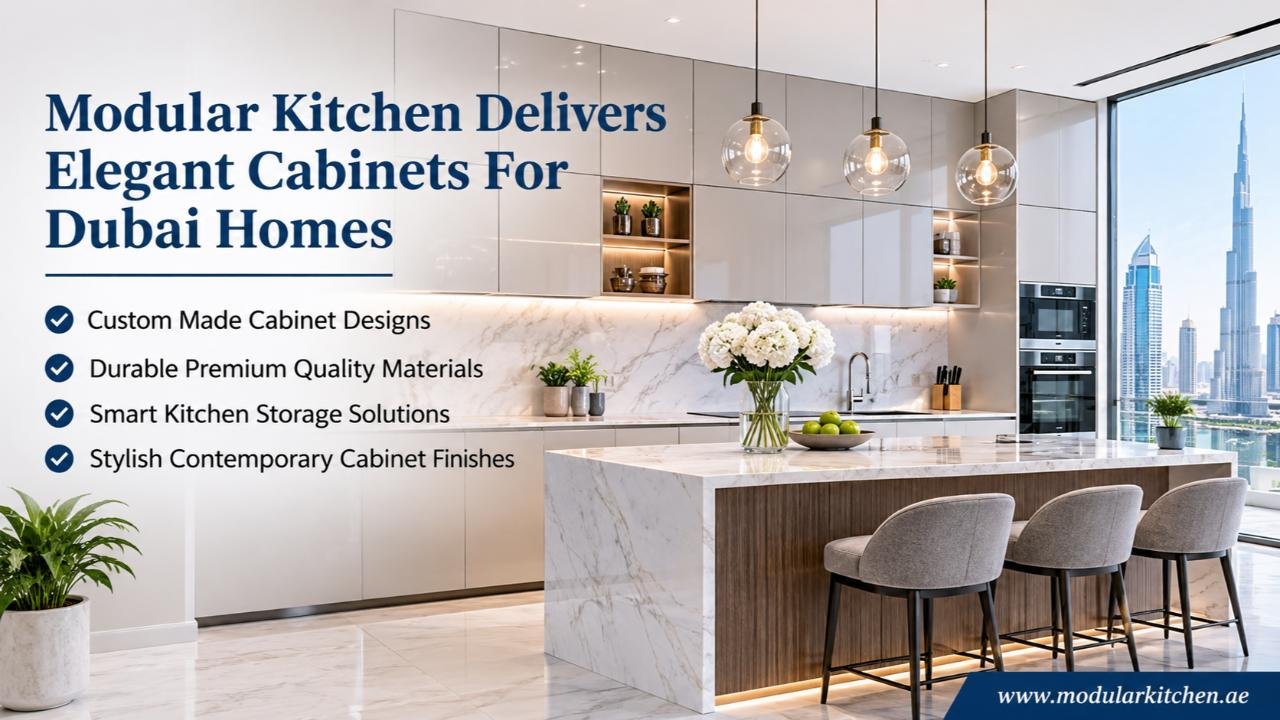
Note: Modular Kitchen sets the standard for custom Kitchen Cabinets in Dubai, combining innovative storage mechanics with contemporary aesthetics. Whether renovating a compact flat or outfitting a spacious residence, our tailored cabinetry optimizes every corner. Experience seamless installation and superior materials—connect with our project advisors to start planning your dream kitchen.
Top Hardwood Choices for Long-Lasting Kitchen Cabinets
When people talk about solid timber that can survive generations of family meals, hardwoods sit right at the top of the list. Unlike softwoods such as pine, which dent if you press a fingernail into them too hard, hardwoods grow slowly and pack their fibers tightly together.
-
Hard Maple: This is a favorite among woodworkers for good reason. Hard maple has a smooth, tight grain that resists scratches and dents remarkably well. It handles paint and clear finishes evenly, making it a dependable workhorse for busy households with kids and pets.
-
Red and White Oak: Oak has been trusted in home building for centuries because it is practically bulletproof against everyday wear. White oak in particular has closed pores that naturally block water from soaking in, making it fantastic near sinks. Plus, its bold grain patterns hide minor scuffs effortlessly.
-
Hickory: If pure toughness is your top priority, hickory is one of the strongest domestic woods you can put in a home. It laughs off heavy impacts and carries weighty cookware without bowing, though its dramatic color variations give the room a distinctly rustic personality.
-
Cherry: While slightly softer than maple or hickory, cherry still holds up wonderfully over decades. It handles shocks well, resists warping once properly dried, and actually grows richer and warmer in color as it ages in natural sunlight.
Why Engineered Wood Options Are Secretly Tougher Than You Think
Many beginners assume solid wood is always the toughest choice, yet experienced cabinetmakers often prefer engineered boards for the inner boxes of your storage units. Solid wood naturally expands and contracts as seasons change, which can sometimes cause wide panels to split or twist.
Marine-Grade and Cabinet-Grade Plywood
High-quality plywood is built by gluing thin sheets of real wood veneer together with their grains running in opposite directions. This cross-layered construction cancels out wood movement, meaning plywood stays flat even when your kitchen gets steamy. It holds screws like a champ and resists sagging under heavy stacks of bowls. Just make sure you look for furniture-grade or marine-grade plywood rather than rough construction sheets, as higher grades have zero hollow gaps inside their layers.
High-Density Fiberboard for Painted Finishes
For cabinet doors that are going to be painted a crisp solid color, high-density fiberboard (HDF) often outperforms solid timber. Because it is made from finely compressed wood fibers and resin under extreme heat, it has no natural grain to expand or crack along paint seams. While standard particleboard crumbles if water reaches it, dense, moisture-resistant fiberboard stays smooth, stable, and resistant to dings when properly sealed.
How to Pick the Right Match for Your Kitchen Cabinets
Choosing the strongest material comes down to balancing how you use your space with what you want to spend. You do not necessarily need the hardest exotic timber on the market if you cook lightly, nor should you cut corners on box construction if you store heavy stand mixers and bulk groceries.
A smart approach that many builders use is mixing materials strategically. You can build the hidden cabinet boxes out of sturdy, multi-layered plywood so they never sag or warp from humidity, then pair them with solid oak or maple doors and drawer fronts that take the brunt of daily bumps and scratches. Paying attention to how the edges are sealed is just as important as the wood itself, since water always looks for exposed edges first.
Conclusion
Building a kitchen that stays functional and attractive year after year starts with looking past shiny showroom finishes and focusing on the core materials underneath. Whether you lean toward dense hardwoods like oak and maple for your doors or rely on cross-layered plywood for rock-solid cabinet boxes, picking durable wood saves you from costly repairs down the road. Take your time comparing samples, check how heavy and solid the boards feel in your hands, and plan around your daily cooking habits. Whenever you are ready to bring sturdy craftsmanship and smart layouts into your own home, Modular Kitchen is here to help you build a space that truly stands the test of time.
Explore more practical articles and tips at crypo.adseon.xyz