Trees add shade, character, and outdoor appeal, yet overgrown limbs, declining trunks, or storm damage can quickly create property risks if left unchecked. Hiring qualified Tree Contractors gives homeowners, HOAs, and commercial managers practical help for routine canopy upkeep, hazard mitigation, and tree removal. Tight side yards, overhead wires, structures, and soft turf make tree work far more technical than many property owners expect. Having an organized crew with the right plan helps protect people and property from start to finish.
How Experienced Crews Plan Removals and Canopy Work
Working with seasoned Tree Contractors starts with assessing tree condition, lean, branch weight, access routes, and nearby targets before cutting begins. A straight open-yard tree is handled very differently from a large tree leaning toward a roof, deck, or fence where controlled lowering or specialized equipment may be needed. Good planning also maps out where brush and logs will be staged or chipped so lawns and driveways stay protected. Clear step-by-step execution keeps complex jobs orderly and predictable.
Why Pre-Job Planning Prevents Damage and Delays
Jumping into tree removal or heavy trimming without checking site access, underground or overhead hazards, and cleanup expectations can lead to torn turf, damaged fencing, or lingering debris piles. Reviewing the job site beforehand helps confirm equipment clearance, gate widths, and how stumps or wood chips will be handled once the main tree is down. Early coordination also helps align schedules around seasonal weather windows and local municipal or pest-related guidelines. Careful preparation keeps work moving smoothly once crews arrive.
Common Services Provided by Local Tree Specialists
Whether a property needs a single hazard removed or ongoing care across multiple trees, local specialists typically cover a broad range of tasks. Core services often include:
-
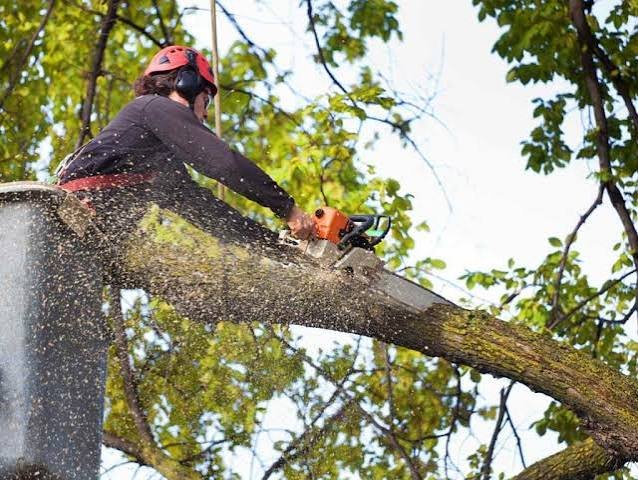
Hazardous and Large Tree Removal: Dismantling dead, storm-damaged, or poorly positioned trees safely near homes, garages, and lines.
-
Crown Cleaning and Structural Pruning: Removing dead, broken, or rubbing branches to support healthier growth and clearance.
-
Stump Grinding: Grinding remaining stumps down below grade so grass or plantings can replace them.
-
Emergency Storm Response: Addressing downed trees or hanging limbs after high winds, heavy snow, or severe storms.
-
Canopy Health and Pest Care: Supporting tree vigor and addressing local threats such as emerald ash borer or oak wilt risks.
-
Commercial and HOA Tree Maintenance: Coordinating scheduled pruning, removals, and risk checks across shared or commercial grounds.
Comparing Bids, Insurance, and Communication
Evaluating tree bids works best when written quotes clearly explain what tasks are included, how cleanup and stumps are handled, and what happens if hidden decay is found inside a trunk. Property owners should ask for proof of insurance before work starts so liability is clear rather than left to chance. Checking whether an arborist can explain why a tree needs removal versus pruning—and how crews communicate schedule changes—helps build trust. Transparent answers upfront make comparing contractors much more straightforward.
Job-Site Safety, Regulations, and Cleanup Standards
Safe tree work depends on trained personnel, proper rigging and cutting techniques, clear drop zones, and steady attention to surroundings throughout the day. Local rules, utility clearances, and regional transport restrictions on certain wood species can also affect how work is scheduled and hauled. Good cleanup standards mean sweeping work areas, chipping brush neatly, and leaving the yard in clear condition after the job wraps up. Reliable safety and cleanup habits protect both the property and everyone on-site.
Realistic Outcomes and Long-Term Property Upkeep
Hiring capable crews helps reduce property hazards, open up light or yard space, and keep remaining trees healthier over time. Long-term results still depend on tree age, species, weather exposure, and ongoing care for surviving trees rather than a single visit curing every yard issue. Pairing sensible pruning with timely removal of declining trees helps prevent bigger emergencies later. Practical upkeep supports a safer, cleaner property year after year.
Changing Trends in Residential and Commercial Tree Care
Homeowners and property managers increasingly look for clear explanations of tree risk, tailored care plans rather than one-size-fits-all cutting, and mindful protection of established landscapes. Greater awareness of invasive pests, storm frequency, and canopy preservation has also led more owners to consult certified arborists early. Trees by Forrest brings decades of local experience across Plymouth and Hennepin County to help property owners handle tree work safely and practically.
Conclusion
Choosing the right crew for tree removal and yard maintenance comes down to clear planning, verified insurance, and careful execution around your property. By comparing written estimates, asking practical questions about safety and cleanup, and acting early on hazards, property owners can work with Tree Contractors with confidence. Solid preparation keeps projects smoother and protects surrounding structures and turf. Thoughtful tree care supports a safer and better-kept landscape over time.