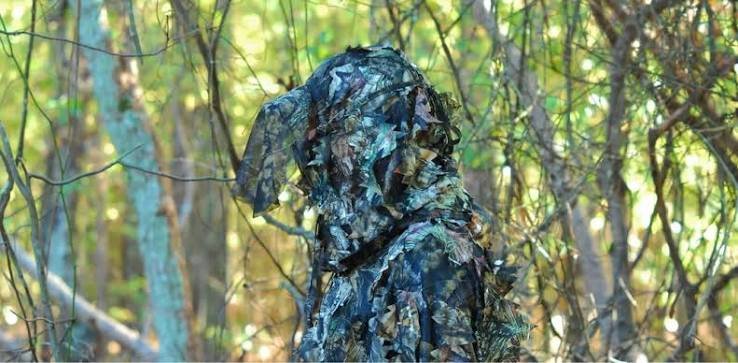
Deer relies heavily on motion detection, contrast, and familiar shapes when scanning timber edges, hardwood ridges, or thick brush lines. Wearing Leafy Suits for Deer Hunting helps break up straight shoulder and leg lines with layered leaf shapes that blend into surrounding foliage rather than standing out as a solid silhouette. Early-season green leaves, mid-season brush, and thinning fall branches all create shifting patterns of light and shadow that flat patterns alone sometimes struggle to match. When you sit on watch or ease through a woodlot, three-dimensional texture helps your outline merge more naturally with nearby cover.
How Three-Dimensional Foliage Works in Real Timber
Effective Leafy Suits for Deer Hunting pair breathable mesh backing with lightweight leaf cutouts so you get visual depth without feeling weighed down in thick cover. As air moves through the woods, soft leaves can catch gentle breezes alongside real branches instead of looking like a rigid block of fabric. Breathable mesh also helps heat escape during walks into a stand or blind, making early- or mild-season sits more comfortable than heavy insulated outer layers. Keeping outer material light and flexible helps you stay relaxed and still when deer move through nearby thickets.
Why Setup and Movement Still Drive Real Results
Even convincing camouflage cannot rescue careless movements, noisy gear, or hunting with the wind blowing straight toward bedding or travel corridors. Deer have acute hearing and a sensitive nose, so shifting abruptly when a buck or doe steps into view or brushing gear against branches can alert them immediately. Choosing sensible entry routes, setting up against natural cover rather than a bare tree trunk, and pacing every small adjustment gives your gear a fair chance to work. Thoughtful preparation before daylight turns camouflage from a crutch into a helpful advantage.
What to Look For When Choosing Deer Hunting Outerwear
Because deer seasons span warm early weeks, crisp autumn mornings, and changing cover types, practical features make a clear difference in the field:
-
Breathable Mesh Construction: Helps release excess warmth during approaches and mild sits while supporting the outer leaf layer.
-
Layered Leaf Cutouts: Breaks up human contours from multiple angles so shoulders and limbs look less defined.
-
Snag-Mindful Fit and Trim: Reduces catching on briars, climbing gear, or pack straps when moving through thickets.
-
Quiet Fabric Texture: Minimizes rustling or slapping sounds when you turn your head, adjust posture, or reach for gear.
-
Room for Seasonal Layers: Allows easy layering over base shirts or mid-layers without binding across the chest and arms.
Comparing Patterns, Sizing, and Gear Pairings
Selecting the right setup is easier when you match camouflage tones to your primary terrain, check sizing over your expected underlayers, and coordinate hands, head, and face coverage. Green-leaning patterns often suit lush early-season woods and dense undergrowth, whereas timber or transitional tones fit mixed brush and drier autumn foliage. Hunters should also check how jacket sleeves and pant cuffs sit when climbing, sitting, or kneeling so bare skin or bright inner layers do not peek out unexpectedly. Testing your full setup at home helps confirm comfort and freedom of motion before opening day.
Safety Rules, Blaze Orange, and Gear Care
Deer hunting requires strict attention to firearm and archery safety, harness use in elevated stands, and state hunter-orange or blaze-visibility laws during applicable seasons. If you walk through heavy briars or climb into a stand, packing outer concealment in and putting it on near your spot can help prevent snags and wear. After wet or muddy hunts, air out damp suits thoroughly, follow gentle washing instructions, and avoid high heat that can damage synthetic leaf cuts. Clean storage between trips helps keep outer gear functional for seasons to come.
Realistic Benefits and Conditions for Best Results
A leafy outer layer can soften your silhouette, add practical storage or layering flexibility, and make woodland sits more comfortable under the right conditions. Actual performance depends on how well your pattern matches surrounding cover, how much wind or sun hits your setup, and how quietly and patiently you hunt. In open fields with little cover or deep winter snow, textured leaves can stand out against smooth ground if not matched to the setting. Keeping expectations grounded helps you judge gear by real field utility.
How Concealment Gear Continues to Adapt
Hunters increasingly favor lighter, packable outer layers that breathe well, stow easily in a daypack, and pair naturally with face masks, gloves, and neck gaiters. Many outdoorspeople also look for versatile pieces that transition smoothly from early-autumn timber to ground blinds and treestands without excess bulk. Titan 3D builds breathable 3D leafy outerwear and matching concealment accessories designed to give hunters practical outline breakup and everyday comfort in the woods.
Conclusion
Effective concealment in the deer woods comes from pairing quiet field habits and smart positioning with outerwear that fits your terrain and movement. By matching patterns to your cover, checking fit over your layers, and following safety rules, you can use Leafy Suits for Deer Hunting with confidence. Thoughtful preparation keeps distractions low when deer step into range. Steady discipline and patience remain what make time in the woods rewarding.