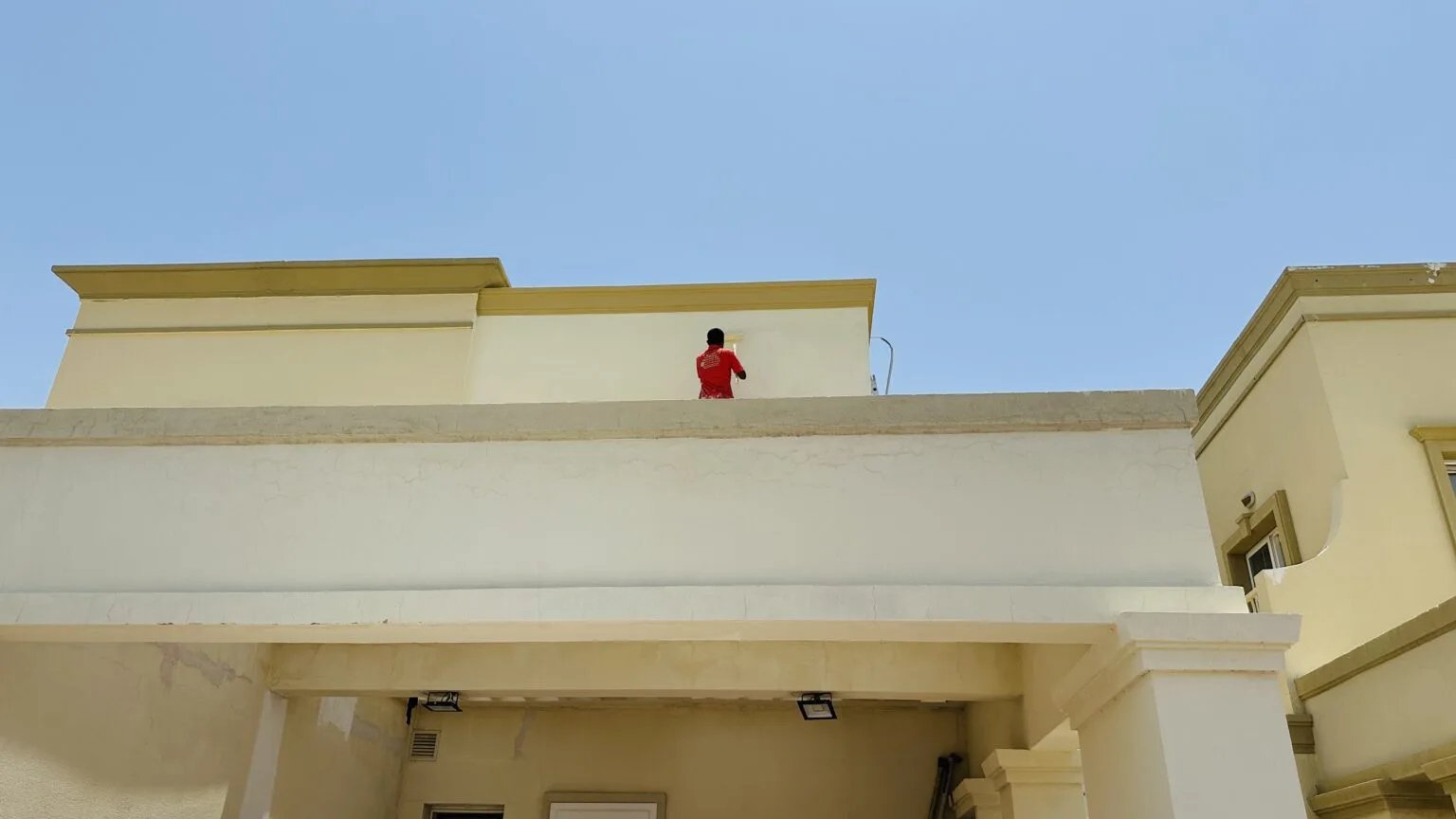
A fresh coat of paint can change the appearance of a property, make rooms feel brighter, and help refresh surfaces that have become worn over time. However, a good result depends on more than selecting an attractive colour. Surface preparation, suitable paint, application methods, and careful finishing all influence the final outcome.
When searching for a painting contractor in Dubai, property owners should look beyond the lowest quotation. A reliable contractor should understand the property’s requirements, explain the proposed work, and provide a clear scope before the project begins.
1. Identify Your Painting Requirements
Before contacting contractors, decide which areas need painting. Are you refreshing a single bedroom, repainting an entire apartment, updating a villa’s exterior, or preparing a commercial space?
The type of property and surface will influence the work involved. Interior walls, ceilings, doors, metal railings, and exterior surfaces may require different preparation methods and paint products.
Make a list of the rooms and surfaces that need attention. If certain areas have peeling paint, cracks, stains, or damp patches, mention these during the initial assessment. The contractor should understand the condition of the surfaces before recommending a solution.
2. Check Relevant Experience
Painting requirements can vary between apartments, villas, offices, and commercial buildings. A contractor who regularly handles similar projects may be better prepared to understand access requirements, surface conditions, and the expected finish.
Ask about previous projects involving the same type of work. You can request photographs of completed projects or examples of similar surfaces they have painted.
Experience alone does not guarantee quality, but it gives you an opportunity to assess whether the contractor understands your particular requirements.
3. Ask About Surface Preparation
Surface preparation is one of the most important parts of a painting project. Applying paint over dust, loose material, damaged plaster, or unsuitable existing finishes can lead to poor adhesion and an uneven appearance.
Depending on the condition of the surface, preparation may include cleaning, scraping loose paint, filling minor holes, sanding, applying suitable primer, and repairing damaged areas.
Ask the contractor to explain which preparation steps are included in the quotation. If walls have damp patches or recurring stains, the underlying cause should be investigated before painting begins.
A professional approach focuses on preparing the surface properly rather than simply covering visible imperfections.
4. Understand the Paint Products Being Used
Different paint products are designed for different surfaces and conditions. Interior wall paint, exterior coatings, wood finishes, and metal paints are not interchangeable in every situation.
Ask the contractor to specify the proposed paint brand, product range, finish, and intended application. You should also understand whether primer is required and how many coats are included.
For areas exposed to frequent cleaning or moisture, discuss whether the selected product is suitable for that environment. Exterior surfaces may require products designed for outdoor exposure.
Do not rely on vague descriptions such as premium paint without knowing the actual product being supplied.
5. Compare Written Quotations Carefully
Getting more than one quotation can help you understand the expected scope and cost of the project. However, comparing only the final price can be misleading.
One contractor may include wall repairs, primer, two finish coats, and material protection, while another may quote only for applying paint to prepared surfaces.
A useful quotation should explain:
- Areas and surfaces included in the project.
- Surface preparation and repair work.
- Paint brand, product, and finish.
- Number of coats and primer requirements.
- Protection of floors, furniture, and fixtures.
- Labour, materials, exclusions, and additional charges.
- Estimated start date and completion schedule.
If an item is unclear, ask for written clarification before accepting the quotation.
6. Discuss Colour Selection and Finishes
Colour can influence how a room looks and feels. Light shades may help smaller rooms appear more open, while darker colours can create contrast or define selected areas.
The final appearance also depends on lighting, furniture, flooring, and the room’s size. A colour that looks attractive on a small sample may appear different when applied across a large wall.
Ask whether the contractor can provide sample patches or guidance on available finishes. Common options include matte, satin, and other washable or decorative finishes, depending on the paint range.
For a consistent result, confirm the colour codes and finish before the full application begins.
7. Check How the Contractor Protects Your Property
Painting work can involve dust, splashes, and movement of equipment. A careful contractor should explain how floors, furniture, doors, windows, switches, and other fixtures will be protected.
Discuss whether furniture needs to be moved, whether rooms can be used during the work, and how the site will be cleaned at the end of each working day.
For occupied apartments and villas, planning is particularly important. Agree on access arrangements, working hours, and how the contractor will minimise disruption.
8. Confirm Timing and Communication
Before work begins, agree on the estimated schedule and the order in which rooms or areas will be completed. The timeline may depend on surface repairs, drying requirements, property access, and the size of the project.
Ask who will supervise the work and whom you should contact if an issue arises. Clear communication helps prevent misunderstandings about colours, finishes, additional repairs, and completion expectations.
Be cautious of promises that ignore preparation or drying time. A realistic schedule is more useful than an unrealistic guarantee of rapid completion.
9. Review the Finished Work
Inspect the completed surfaces in suitable lighting. Look for uneven coverage, missed sections, visible roller marks, paint splashes, rough patches, and inconsistent colour.
Check corners, edges, ceilings, door frames, and areas behind fixtures where accessible. If any agreed work is incomplete, raise it with the contractor before making final acceptance.
Ask for any relevant product information and written details of workmanship coverage, if offered. Keep the quotation and project communication for future reference.
Questions to Ask Before Hiring a Painting Contractor
Before choosing a contractor, ask:
- What preparation work is included?
- Which paint products and finishes will be used?
- How many coats are included in the price?
- Are wall repairs and primer included?
- How will furniture and flooring be protected?
- What is the estimated project schedule?
- How are additional repairs or costs approved?
- Is any workmanship coverage provided?
These questions can help you compare contractors on the actual quality and scope of their services.
Conclusion
Choosing the right painting contractor in Dubai requires attention to experience, preparation, paint quality, written quotations, and communication. A professional painting project should include more than applying colour to walls. It should address the condition of the surfaces and provide a clear plan for completing the work.
Take time to compare the details of each proposal and confirm what is included before signing an agreement. This approach can help you achieve a more consistent finish and make the painting process easier to manage.