
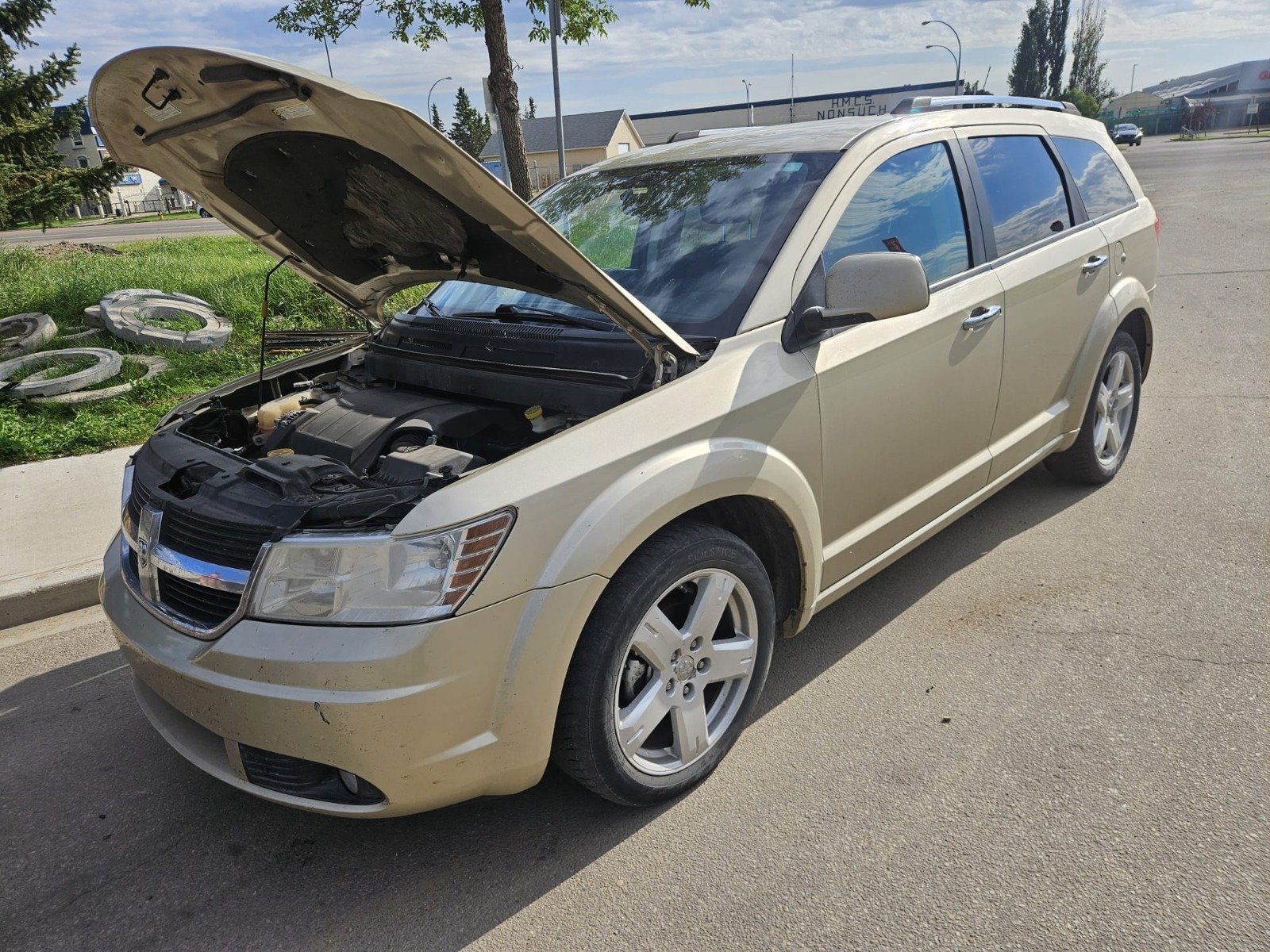
Seasonal driving conditions can have a significant impact on the condition and resale value of older vehicles. In Calgary, cars experience everything from freezing winter temperatures and salted roads to summer heat, heavy rain, and occasional hailstorms. These changing conditions gradually affect different vehicle components, sometimes creating problems that are expensive to repair.
While regular maintenance can help protect an older vehicle, years of exposure to seasonal weather may eventually reduce its reliability and market value. Understanding how each season affects a car can help owners decide when to maintain it, repair it, or sell it.
1. Winter Temperatures Can Reduce Vehicle Reliability
Calgary winters can be particularly challenging for older vehicles. Extremely low temperatures affect batteries, engine oil, tires, and other mechanical components.
An aging battery may struggle to provide enough power during cold starts. Engine oil can become thicker in freezing conditions, making it harder for the engine to operate smoothly immediately after starting.
Repeated cold starts and prolonged exposure to freezing temperatures can also reveal existing mechanical weaknesses.
Common winter-related problems include:
- Weak or failing batteries
- Difficulty starting the engine
- Reduced tire pressure
- Worn suspension components
- Increased wear on older engine parts
When these problems become frequent, buyers may be less interested in purchasing the vehicle, which can reduce its resale value.
2. Road Salt Can Accelerate Rust and Corrosion
Road salt is commonly used during winter to improve driving conditions, but it can gradually damage a vehicle’s metal components.
Salt mixes with snow and moisture, creating conditions that encourage corrosion. The undercarriage is particularly vulnerable because it is regularly exposed to road spray and accumulated slush.
Rust may also develop around wheel arches, door edges, exhaust components, and other exposed areas.
Minor surface rust may have a limited effect on resale value. However, severe corrosion can weaken structural components and make a vehicle more expensive to repair.
Calgary owners should pay attention to underbody condition when evaluating an older vehicle’s overall worth.
3. Freeze-Thaw Cycles Can Damage Older Vehicle Components
Calgary frequently experiences changing temperatures during winter and early spring. These freeze-thaw cycles can place additional stress on vehicle components.
Moisture can enter small cracks, freeze, and expand. As temperatures rise, the ice melts, potentially allowing water to penetrate further into damaged areas.
Repeated temperature changes may contribute to:
- Cracked rubber seals
- Damaged weatherstripping
- Water leaks around windows and doors
- Deteriorating exterior paint
- Additional corrosion around existing damage
These problems may appear minor initially, but neglected leaks and damaged seals can eventually affect the vehicle’s interior and electrical components.
4. Spring Rain and Moisture Can Affect the Interior
After winter, melting snow and spring rainfall can expose existing leaks and drainage problems. Older vehicles with damaged door seals, worn window seals, or blocked drainage channels may allow water to enter the cabin.
Moisture trapped beneath carpets or inside seat padding can cause unpleasant smells, stains, and deterioration. If damp conditions continue, mold and mildew may also develop.
Water exposure can affect electrical connections and interior switches, potentially creating problems that are difficult to diagnose.
A vehicle with persistent moisture damage may become less attractive to private buyers, especially when the extent of the problem is uncertain.
5. Summer Heat Can Accelerate Wear and Tear
High summer temperatures can also affect older vehicles. Prolonged heat exposure places additional pressure on cooling systems, batteries, tires, and rubber components.
An aging cooling system may struggle to maintain the correct engine temperature, particularly when coolant hoses, radiators, or fans are already worn.
Other heat-related problems can include:
- Battery deterioration
- Cracked dashboard materials
- Faded exterior paint
- Deteriorating rubber seals
- Increased tire pressure
- Cooling system failures
If an older vehicle repeatedly overheats during summer driving, its mechanical condition and resale value may decline further.
6. Calgary Hailstorms Can Reduce Exterior Value
Hailstorms are another seasonal concern for Calgary vehicle owners. Even a relatively short storm can leave noticeable dents across a vehicle’s hood, roof, trunk, and side panels.
Larger hailstones may also crack windshields, damage side windows, and break exterior lights.
Hail damage can reduce a vehicle’s appeal in the private resale market because buyers may expect expensive bodywork or glass replacement.
The overall impact depends on the severity of the damage. A few small dents may have a limited effect, while widespread dents and broken glass can significantly reduce the vehicle’s market appeal.
7. Seasonal Wear Can Increase Maintenance Expenses
Older vehicles often require more maintenance as individual components begin to deteriorate. Seasonal driving conditions can make these expenses more noticeable.
For example, winter may reveal battery and suspension problems, while summer may expose cooling system weaknesses. Spring rain can highlight leaks that were previously unnoticed.
When several repairs become necessary within a short period, the total expense can quickly exceed what an owner planned to spend.
Calgary vehicle owners considering their options can explore cash for cars Calgary before committing to another expensive repair. Comparing a vehicle’s current condition with its potential selling value can help determine whether continued ownership makes financial sense.
8. How Seasonal Damage Influences Resale Value
The resale value of an older vehicle depends on more than its age and mileage. Its maintenance history, mechanical reliability, exterior condition, and overall appearance also influence what buyers are willing to pay.
Seasonal damage can reduce value in several ways:
- Mechanical deterioration: Engine, battery, and suspension problems can make a vehicle less reliable.
- Visible exterior damage: Rust, faded paint, and hail dents can reduce buyer interest.
- Interior deterioration: Water damage, unpleasant smells, and damaged upholstery can make the car less appealing.
- Safety concerns: Worn tires, damaged brakes, and structural corrosion may require costly repairs.
- Higher maintenance expectations: Buyers may expect additional expenses when a vehicle shows signs of neglected seasonal wear.
Keeping maintenance records and addressing smaller problems early can help protect resale value. However, extensive damage may eventually make further investment impractical.
9. When Should You Consider Selling an Older Vehicle?
There is no single age at which a vehicle becomes unsuitable for ownership. Its condition and repair requirements are more important than the number of years it has been on the road.
Selling may be worth considering when the vehicle repeatedly breaks down, develops serious rust, or requires several expensive repairs.
Other signs include persistent overheating, transmission trouble, electrical failures, and damage from hail or water exposure.
Before making a decision, compare repair estimates with the vehicle’s realistic market value. If restoring it would cost more than the car is likely to sell for, keeping it may not be financially sensible.
10. Selling an Older Vehicle With Seasonal Damage
A vehicle does not need to be in perfect condition to have remaining value. Even an older car with winter corrosion, hail damage, mechanical problems, or high mileage may contain reusable parts and recyclable materials.
If repairs are no longer worthwhile, selling the vehicle in its current condition may be an alternative to continued maintenance.
YYC Cash for Cars provides cash for junk cars in Calgary for unwanted, damaged, and non-running vehicles. The vehicle’s year, make, model, condition, and usable components help determine its potential offer.
Before requesting an estimate, prepare basic vehicle details and explain any known seasonal damage. Being transparent about its condition helps make the assessment more accurate.
Final Thoughts
Seasonal driving conditions can gradually reduce the reliability and resale value of older vehicles. Calgary’s freezing winters, road salt, freeze-thaw cycles, spring moisture, summer heat, and hailstorms can all contribute to mechanical and cosmetic deterioration.
Regular maintenance can help limit some of these problems, but extensive damage may eventually make repairs too expensive to justify.
Before investing more money in an aging vehicle, assess its overall condition and compare the likely repair costs with its current value. If seasonal damage has made the car unreliable or uneconomical to maintain, selling it may be a practical way to avoid further expenses.


