
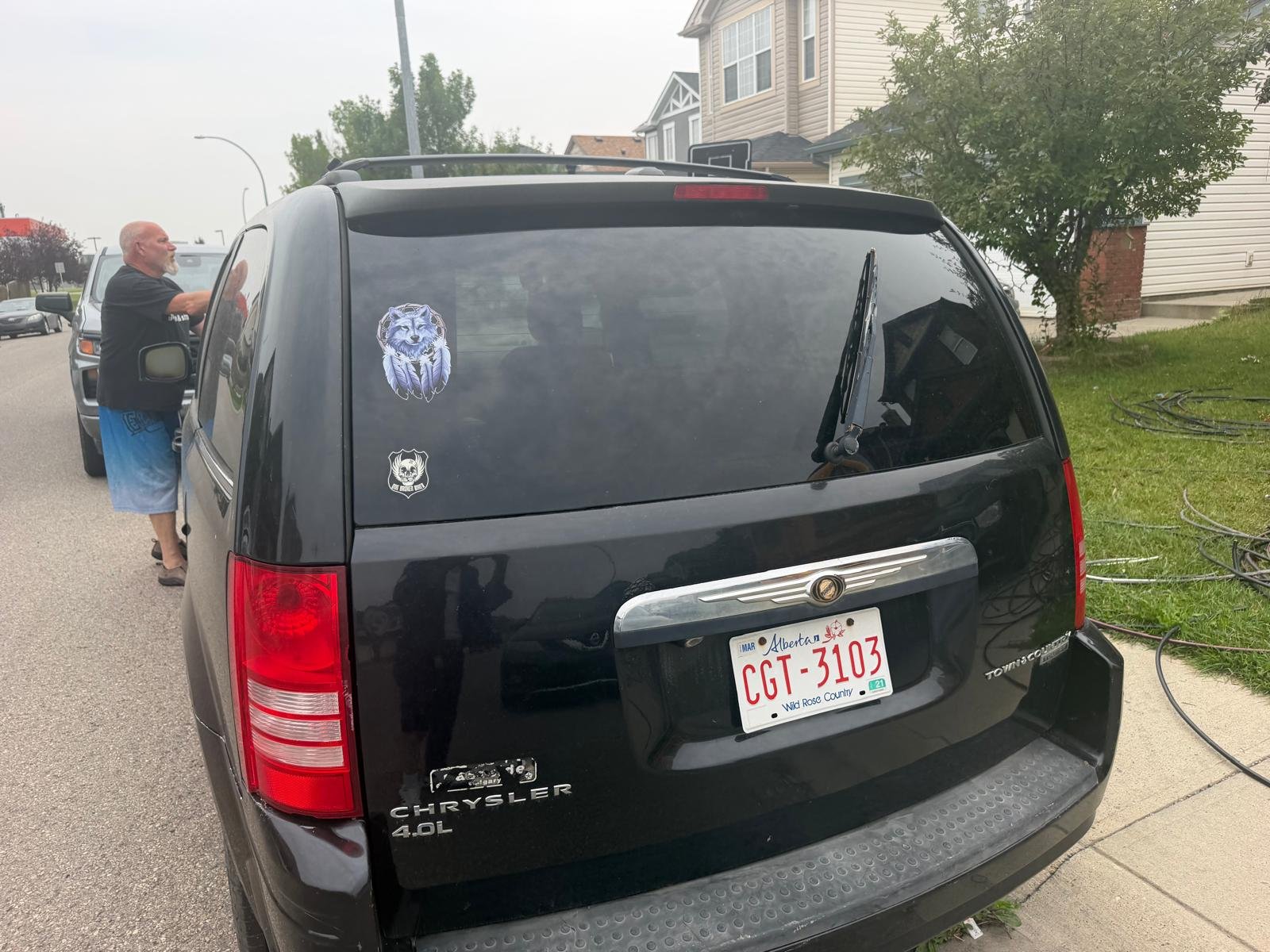
Winter can be particularly hard on vehicles. Freezing temperatures, heavy snowfall, road salt, ice, and sudden temperature changes can gradually damage important vehicle components. While some problems can be fixed with routine maintenance, severe winter damage may leave an older car unreliable, unsafe, or too expensive to repair.
For Calgary vehicle owners, winter-related damage can become a serious concern when a car has been sitting unused or has experienced repeated exposure to harsh weather. Rust, battery failure, damaged suspension components, and engine problems can all affect its condition and resale value.
If your vehicle has suffered significant winter damage, understanding what to check before selling can help you avoid unnecessary repair expenses and make a more informed decision.
1. Identify the Type of Winter Damage
Before selling a winter-damaged vehicle, take time to understand which parts have been affected. Not every winter-related problem has the same impact on a car’s value.
Common examples include:
- Rust and corrosion: Road salt and moisture can gradually damage the undercarriage, wheel arches, and body panels.
- Battery failure: Extremely cold temperatures can reduce battery performance and make starting difficult.
- Engine problems: Cold starts, neglected maintenance, and fluid-related issues can contribute to mechanical trouble.
- Suspension damage: Potholes hidden beneath snow and ice can damage shocks, struts, and other suspension components.
- Exterior damage: Ice, snow accumulation, and falling branches can damage windows, paint, and body panels.
Knowing what is wrong with the vehicle makes it easier to explain its condition when requesting a cash offer.
2. Check for Rust Caused by Road Salt
Road salt helps improve winter driving conditions, but it can accelerate corrosion when it remains on metal surfaces.
The undercarriage is particularly vulnerable because it is regularly exposed to salty water, slush, and road debris. Rust may also develop around wheel arches, door edges, exhaust components, and other exposed areas.
Minor surface rust may not significantly affect the vehicle’s operation. However, advanced corrosion can weaken important structural components and make repairs expensive.
If rust has spread across multiple areas, consider getting an inspection before deciding whether restoration is worthwhile.
3. Understand How Cold Weather Affects the Engine
Extremely low temperatures can make it harder for an older engine to start. Engine oil may become thicker in cold conditions, while an aging battery may struggle to provide enough power.
Repeated starting attempts can place additional strain on the battery and starter system. Vehicles with existing mechanical problems may experience even greater difficulty during winter.
Warning signs include unusual engine noises, rough idling, excessive exhaust smoke, and repeated starting failures.
If the engine has suffered significant damage, replacing individual components may not always be financially sensible. Compare the estimated repair cost with the vehicle’s current market value before investing further.
4. Look for Battery and Electrical Problems
Car batteries naturally lose some performance as temperatures drop. An older battery that works during warmer months may struggle to start the vehicle after extended exposure to freezing weather.
Winter conditions can also reveal existing electrical problems. Corroded connections, damaged wiring, and worn charging-system components may contribute to unreliable starting or electrical failures.
Check for symptoms such as dim headlights, slow engine cranking, dashboard warning lights, and malfunctioning electrical accessories.
A battery replacement may be a relatively simple repair, but widespread electrical problems can require more extensive diagnosis.
5. Inspect the Suspension and Tires
Calgary roads can develop potholes and uneven surfaces during winter. Snow and ice may hide these hazards, making it difficult for drivers to avoid them.
Repeated impacts can damage suspension components, affect wheel alignment, and contribute to uneven tire wear.
Pay attention to warning signs such as:
- Clunking or knocking sounds over bumps
- Excessive bouncing after driving over uneven surfaces
- Steering wheel vibration
- Uneven tire wear
- Pulling to one side while driving
Suspension problems can affect handling and safety. If the vehicle has serious damage, avoid driving it until it has been inspected.
6. Consider Interior and Water Damage
Snow and moisture can enter a vehicle through damaged door seals, broken windows, or other openings. Wet footwear and snow-covered floor mats can also introduce moisture into the cabin.
When a vehicle remains parked for long periods, trapped moisture may cause unpleasant smells, damaged upholstery, and mold growth.
Check the carpets, seats, trunk, and floor insulation for dampness or visible deterioration. Also look for signs of water around electrical connections and interior switches.
Interior restoration can become expensive when moisture has spread beneath carpets or into seat padding. Mention any known water damage when discussing the vehicle with a potential buyer.
7. Calculate Whether Repairs Are Worth the Expense
A winter-damaged car may need several repairs before it becomes reliable again. Replacing a battery might be affordable, but combining engine repairs, suspension work, rust treatment, and electrical repairs can quickly increase the total cost.
Before spending money, consider:
- The vehicle’s age and mileage
- Its current mechanical condition
- The severity of rust or corrosion
- The estimated cost of necessary repairs
- Its likely resale value after repairs
- Whether additional problems may appear later
For example, an older vehicle with serious undercarriage corrosion and engine trouble may not justify thousands of dollars in restoration work.
Calgary owners can explore cash for cars Calgary to consider an alternative to spending more money on a vehicle that may no longer be economical to maintain.
8. Does Severe Winter Damage Make a Car Unsellable?
No. A vehicle does not automatically become worthless because it has suffered extensive winter damage.
Even when a car is no longer suitable for everyday driving, it may still contain usable components and recyclable materials. Its make, model, year, engine, transmission, body condition, and remaining parts can all influence its potential value.
However, the offer will depend on the vehicle’s actual condition. A car with minor cosmetic damage may be assessed differently from one with a failed engine, severe rust, and damaged suspension.
Being honest about the problems helps the buyer understand what they are evaluating.
9. Prepare Accurate Details Before Requesting an Offer
You do not necessarily need to repair or thoroughly clean a severely winter-damaged vehicle before requesting an estimate. However, having accurate information available can make the assessment easier.
Prepare the following details:
- Vehicle year, make, and model
- Current mileage
- Whether the engine starts
- Known mechanical problems
- Visible rust or undercarriage damage
- Battery and electrical condition
- Any accident or water damage
- Vehicle location and accessibility
Photographs of major damage can also help communicate the vehicle’s condition.
If the car is unsafe or unable to move, mention that before arranging transportation.
10. Consider Professional Junk Car Removal
When winter damage affects several major components, repairing the vehicle may cost more than its remaining value. In that situation, selling it in its current condition may be a practical alternative.
Maple Cash for Cars offers junk car removal in Calgary for unwanted, damaged, and non-running vehicles. Its service page explains the collection process, including free towing and payment on pickup.
Before accepting an offer, confirm the vehicle details, collection arrangements, and required ownership documents. This helps avoid confusion when the vehicle is collected.
Final Thoughts
Severe winter damage can affect almost every part of an aging vehicle, from its battery and engine to its suspension, undercarriage, and interior. While some problems may be inexpensive to repair, multiple issues can make continued ownership financially impractical.
Before investing in another repair, assess the vehicle’s overall condition and compare the likely repair expenses with its current value. If the damage is extensive, selling the car as-is may help you avoid further costs and clear space without restoring a vehicle that is no longer worth maintaining.