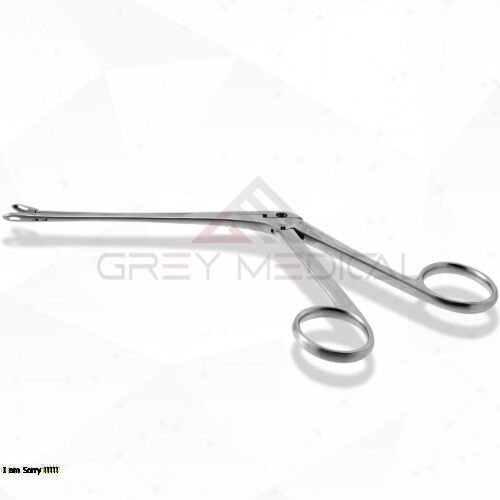
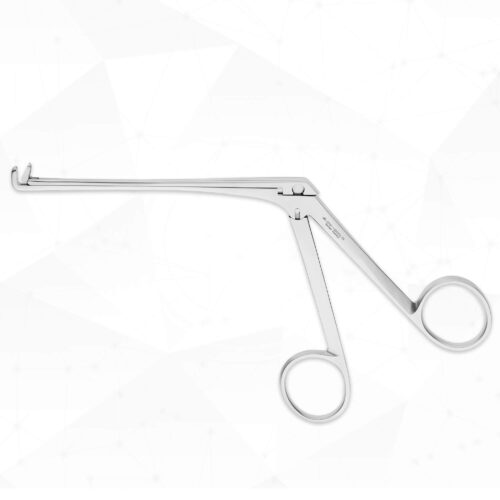
Thru cutting forceps are specialized surgical instruments designed to assist medical professionals in cutting, grasping, or handling specific tissues and materials, depending on their particular design. Surgical instruments play an essential role in maintaining precision, control, and efficiency during clinical procedures. Therefore, understanding the features and intended applications of different forceps helps healthcare professionals select suitable instruments for their surgical needs. thru cutting forceps are valued for their specialized construction, which supports particular cutting-related tasks in surgical environments.
Understanding Thru Cutting Forceps
Thru cutting forceps are instruments associated with cutting functionality and controlled handling in specialized surgical applications. Depending on the specific pattern, these instruments may feature cutting edges, carefully designed jaws, or a mechanism that allows medical professionals to perform particular tasks with precision. Moreover, their construction may differ according to the tissue, material, or procedure for which the instrument is intended.
Unlike conventional grasping forceps, cutting forceps are designed around a cutting function or a combination of cutting and handling capabilities. Consequently, medical professionals must understand the instrument’s specifications before selecting it for clinical use. The exact design, working mechanism, and application depend on the particular model and manufacturer.
Design and Construction of Thru Cutting Forceps
The construction of thru cutting forceps focuses on functionality, control, and precision. Manufacturers commonly use medical-grade stainless steel to produce reusable surgical instruments because it offers durability and resistance to corrosion when properly processed and maintained. In addition, high-quality construction can support the instrument’s performance through repeated cleaning and sterilization cycles.
The working ends may incorporate specially designed cutting surfaces that distinguish the instrument from standard tissue-holding forceps. Furthermore, the handle design helps the user maintain control during instrument manipulation. Some models may feature finger-ring handles, while other configurations may vary according to the instrument’s intended function.
The alignment of the working components is also an important consideration. Properly manufactured cutting surfaces can help support the intended mechanical performance of an instrument. Therefore, medical professionals should inspect the instrument carefully before use and ensure that it meets the requirements of the intended procedure.
Applications of Thru Cutting Forceps
Surgical instruments serve different purposes across medical specialties, and cutting forceps may support specific procedures that require controlled cutting functionality. However, the exact application of thru cutting forceps depends on their design, size, working-end configuration, and manufacturer specifications.
In specialized surgical environments, professionals select instruments according to the anatomical structures involved and the requirements of the procedure. Moreover, appropriate instrument selection helps surgical teams maintain organized setups and use equipment according to established clinical protocols.
The thru cutting forceps may be included in specialized surgical instrument collections where their particular cutting characteristics are required. Nevertheless, healthcare professionals should never assume that every forceps model serves the same purpose. Instead, they should review the instrument’s intended use and follow professional training, procedural guidelines, and manufacturer instructions.
Benefits of Specialized Cutting Instruments
Specialized surgical instruments offer practical advantages when their design matches the requirements of a clinical procedure. First, their working components can provide the specific functionality needed for particular surgical tasks. Second, appropriate instrument construction can support controlled handling. Finally, durable materials may help healthcare facilities maintain their instrument inventories over time.
Additionally, specialized instruments can help surgical teams organize their equipment according to procedural requirements. By choosing instruments based on their intended applications, medical professionals can develop more structured surgical setups.
However, the effectiveness of an instrument depends on several factors, including manufacturing quality, proper handling, maintenance, and the skill of the operator. Therefore, professionals should consider all these factors when evaluating cutting forceps.
Cleaning, Sterilization, and Maintenance
Proper maintenance is essential for preserving the performance and condition of surgical instruments. After use, healthcare professionals should follow validated cleaning, disinfection, and sterilization protocols. Furthermore, they should follow the manufacturer’s instructions to ensure that the instrument receives appropriate processing.
During inspection, medical staff should examine the cutting edges, handles, joints, and working components for visible damage or irregularities. For instance, dull cutting edges, misalignment, corrosion, or loose components may affect instrument functionality. Consequently, damaged instruments should undergo appropriate evaluation before further use.
In addition, proper storage helps protect instruments from unnecessary damage. Organized instrument storage, careful handling, and routine inspections can support responsible equipment management. These practices also help healthcare facilities maintain the condition of reusable surgical instruments.
Grey Medical® and Surgical Instrument Excellence
Grey Medical® is a privately owned medical technology company dedicated to innovation and excellence in the craft of surgical instrument. The company emphasizes the importance of precision, functional design, and quality manufacturing in surgical instrument production.
Medical professionals, hospitals, clinics, and purchasing departments consider several factors when evaluating surgical instruments, including construction materials, intended use, durability, and maintenance requirements. Moreover, understanding instrument specifications can help buyers make informed purchasing decisions.
When evaluating thru cutting forceps, healthcare professionals should carefully assess their working-end design, cutting functionality, construction quality, and suitability for the intended clinical setting. Proper instrument selection remains an important part of responsible surgical preparation and equipment management.
Conclusion
Thru cutting forceps represent a specialized category of surgical instruments designed for particular cutting-related functions. Their construction, working-end design, and handling characteristics distinguish them from conventional grasping forceps. Moreover, proper selection, inspection, cleaning, sterilization, and maintenance help preserve instrument functionality and condition. By understanding the design and intended applications of thru cutting forceps, healthcare professionals can make better-informed decisions when managing and selecting surgical instruments for their clinical environments.