A beautifully designed patio can transform an ordinary backyard into a comfortable, functional, and inviting outdoor living space. In Colorado, where homeowners value outdoor relaxation, family gatherings, and entertaining guests, investing in a professionally constructed patio offers both practical and aesthetic benefits. Choosing paver patio installation denver metro services allows property owners to create customized outdoor environments that complement their homes while accommodating the region’s changing weather conditions. From peaceful seating areas to spacious entertainment spaces, a well-planned patio can make better use of available outdoor space and enhance the overall appearance of a property.
Homeowners considering paver patio installation denver metro should look beyond the appearance of individual paving stones and consider the quality of design, ground preparation, drainage, material selection, and installation techniques. Colorado’s climate presents unique landscaping challenges, including temperature fluctuations, seasonal precipitation, intense sunlight, and freeze-thaw cycles. These conditions make proper construction especially important for long-term performance. Working with an experienced outdoor living contractor such as Red Rock Outdoor Living can help homeowners explore suitable designs, coordinate landscaping elements, and develop an outdoor space that reflects their preferences, property layout, and budget.
Understanding the Importance of Professional Paver Patio Installation
A paver patio is more than a decorative addition to a backyard. It creates a defined outdoor surface that can support furniture, dining arrangements, recreational activities, and everyday relaxation. Unlike a basic concrete slab, individual pavers provide flexibility in patterns, colors, shapes, and textures, allowing homeowners to achieve a distinctive appearance. Professional installation is important because the finished surface depends heavily on what lies beneath it. Proper excavation, a stable aggregate base, appropriate bedding material, and carefully aligned pavers all contribute to a dependable structure. Contractors must also consider soil conditions, existing landscaping, nearby structures, and water movement. When these details receive attention during planning and construction, homeowners can enjoy an attractive patio that serves its intended purpose without unnecessary maintenance concerns.
Choosing the Right Paver Materials for Colorado Weather
Material selection plays a significant role in determining the appearance, durability, and maintenance requirements of an outdoor patio. Concrete pavers are popular because they offer numerous shapes, colors, textures, and design possibilities, making them suitable for both contemporary and traditional properties. Natural stone, including flagstone, provides a distinctive appearance with individual variations in color and texture. However, the right material depends on the property’s architectural style, intended use, installation requirements, and available budget. In the Denver Metro climate, homeowners should pay particular attention to material durability, surface texture, moisture exposure, and resistance to seasonal temperature changes. Selecting suitable products at the beginning can reduce future complications and help maintain the patio’s appearance. A knowledgeable contractor can explain the advantages and limitations of different materials before construction begins.
How Proper Planning Improves Paver Patio Installation Denver Metro Projects
Successful patio construction begins with understanding how the outdoor area will be used. A homeowner who regularly entertains guests may need a spacious surface with room for dining furniture, while a smaller household might prefer an intimate seating area connected to an existing garden. Before selecting a design, contractors should evaluate the available space, ground elevation, access points, sunlight exposure, and drainage patterns. These considerations influence the patio’s dimensions, shape, orientation, and relationship with surrounding landscaping. For homeowners exploring paver patio installation denver metro, careful planning also helps identify potential challenges involving sloped yards, retaining walls, utility locations, and property boundaries. Creating a practical design before construction reduces unnecessary adjustments and helps ensure that the finished patio feels like a natural extension of the home rather than an isolated feature.
The Importance of Base Preparation and Effective Drainage
Even premium paving materials cannot compensate for inadequate ground preparation. The foundation beneath a patio must provide sufficient stability to support regular foot traffic, outdoor furniture, and other expected loads. Installation typically involves removing unsuitable soil, establishing the required excavation depth, placing and compacting an appropriate aggregate base, and preparing a consistent bedding layer. Contractors must also establish suitable surface grading so rainwater moves away from the home’s foundation and does not collect in unwanted areas. Drainage deserves particular attention in Colorado because seasonal precipitation and freezing temperatures can contribute to shifting or surface irregularities when water management is overlooked. Edge restraints help maintain the patio’s shape, while properly selected joint material helps limit movement between individual pavers. These construction details may not be immediately visible, but they have a substantial influence on the finished project’s performance.
Combining Patios with Other Outdoor Living Features
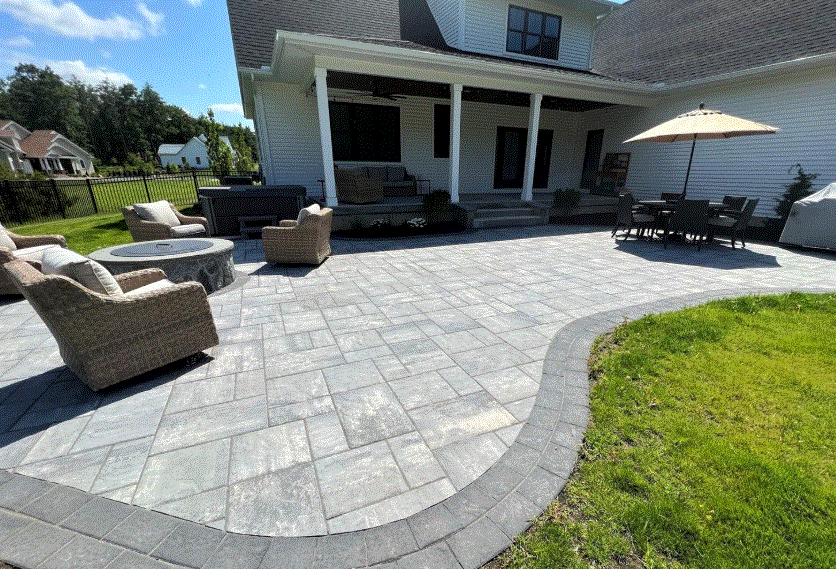
A well-designed patio can become the foundation of a larger outdoor living environment. Homeowners can incorporate fire pits, outdoor fireplaces, retaining walls, artificial turf, garden beds, and decorative landscaping to create a coordinated backyard. For example, a dedicated seating area around a fire feature can encourage evening gatherings, while a retaining wall can help define different elevations and create additional usable space on a sloped property. Artificial turf can introduce a consistent green appearance alongside paved surfaces, reducing the need for maintaining natural grass in selected areas. The key is to establish a cohesive design rather than adding unrelated features without considering their placement. Matching materials, coordinating colors, and maintaining comfortable walking paths help connect different elements. A complete landscape design and construction approach can also make it easier to coordinate installation schedules and maintain consistency throughout the property.
Evaluating Craftsmanship, Project Costs, and Contractor Experience
Choosing an installation contractor requires more than comparing the lowest available estimate. Homeowners should evaluate experience with similar projects, attention to construction details, communication practices, design capabilities, and the clarity of the proposed project scope. A useful estimate should explain the expected work, including excavation, base preparation, paving materials, edging, drainage considerations, and additional landscaping features. Project costs can vary depending on patio dimensions, material selection, site accessibility, soil conditions, grading requirements, and design complexity. It is also important to discuss project timelines, potential site challenges, and expectations for maintaining the completed surface. Reviewing previous projects can help homeowners understand a contractor’s design approach and workmanship. Clear communication before construction begins establishes realistic expectations and makes it easier to address questions throughout the project.
Conclusion
Creating a beautiful and functional outdoor space requires thoughtful design, suitable materials, proper ground preparation, and attention to Colorado’s environmental conditions. From selecting the right pavers to establishing effective drainage and integrating complementary landscaping features, every stage contributes to the quality of the finished patio. Homeowners should prioritize experienced workmanship, transparent project planning, and solutions that reflect their property’s specific needs rather than focusing exclusively on appearance or initial cost. Investing in professional paver patio installation denver metro services can help turn an underused backyard into a welcoming space for relaxation, entertainment, and everyday enjoyment. With a carefully planned approach and a commitment to quality construction, homeowners can create an outdoor environment that complements their property and remains enjoyable for years to come.