
Modern households rely on electricity around the clock for heating and cooling, kitchen appliances, home offices, laundry equipment, outdoor lighting, and charging devices. Working with Residential Electricians in Apex helps homeowners address flickering lights, tripping breakers, outdated panels, and new circuit needs before minor wiring issues become safety hazards or costly disruptions. As homes add higher-draw appliances and technology, older panels or loose connections often face loads they were never designed to handle. Addressing electrical concerns early protects both your family and the electrical systems running behind your walls.
How Residential Electricians in Apex Diagnose and Plan Home Work
Experienced Residential Electricians in Apex trace circuits systematically, check load capacity, and inspect panels, breakers, wiring, and grounding rather than swapping parts blindly. A breaker that trips intermittently might point to a shared circuit carrying too much load, a faulty device or appliance, or a loose connection that creates heat over time. Evaluating existing panel capacity and wiring condition before adding new circuits helps prevent overloaded breakers and keeps home upgrades organized. Clear diagnostics give homeowners a practical picture of what needs immediate attention versus what can be planned as part of a larger project.
Why Proper Sizing and Planning Matter in Homes
Taking shortcuts on home wiring—such as daisy-chaining high-draw appliances onto a single circuit or leaving a crowded electrical panel unaddressed—can create nuisance trips, overheating, or code headaches during remodeling or home sales. Planning circuit layout, breaker sizing, and routing ahead of time keeps everyday appliances running smoothly without dimming lights or tripping power mid-task. Whether you are finishing a space, updating fixtures, or preparing for changing household needs, thoughtful planning avoids tearing open finished drywall later. Good groundwork makes home electrical work cleaner, safer, and far more adaptable.
Common Home Electrical Needs for Homeowners
Homes across growing communities like Apex handle a mix of everyday maintenance, safety updates, and new equipment additions. Typical residential projects include:
-
Circuit Troubleshooting and Repairs: Diagnosing dead outlets, flickering lights, faulty switches, and tripping breakers safely.
-
Electrical Panel Upgrades and Replacements: Replacing aging, undersized, or worn panels to support modern household loads cleanly.
-
Dedicated Circuits and Appliance Wiring: Running separate circuits for kitchens, laundry equipment, workshops, or other high-draw appliances.
-
Lighting, Outlets, and Surge Protection: Installing indoor and outdoor lighting, GFCI or AFCI protection, and whole-home surge devices.
-
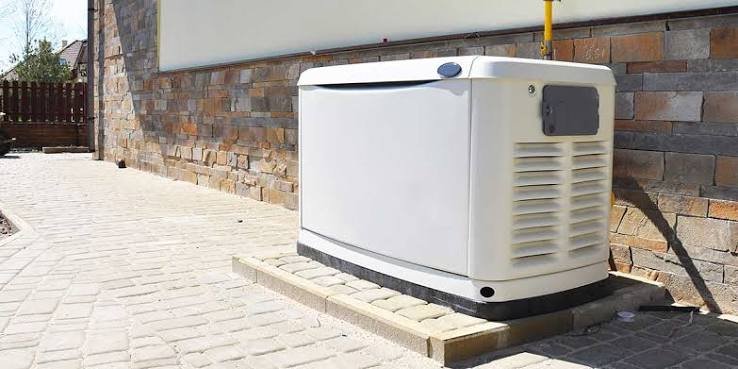
EV Charger and Generator Readiness: Setting up dedicated charging circuits or transfer and standby power options suited to the home.
Comparing Electricians and Reviewing Written Quotes
Comparing electrical bids is easier when written estimates spell out scope details, panel or circuit work, materials, permit handling, and cleanup so you know what is included. Homeowners should verify active state electrical licensing and insurance coverage, ask how power shutoffs and work zones are managed during the job, and check whether estimates account for unexpected wiring conditions behind walls. Asking how questions or follow-ups are handled after completion also helps clarify contractor reliability. Clear, straightforward answers during quoting usually point to disciplined field work.
Electrical Codes, Safety Standards, and Inspections
Electrical work carries shock, arc, and fire risks if handled improperly, which is why licensed professionals follow strict safety practices and applicable electrical codes. In North Carolina, electrical installations and qualifying upgrades are governed by state licensing rules and local municipal permitting and inspection requirements, including standards in the Town of Apex. Turning off power safely at the source, testing circuits properly, and securing permits when required help protect both occupants and the structure. Sound safety habits keep home electrical systems compliant and dependable over time.
Realistic Benefits and Long-Term Home Value
Well-executed electrical repairs and upgrades help reduce nuisance breaker trips, improve outlet and lighting convenience, and support safe power distribution as household needs evolve. Actual results still depend on existing home wiring condition, utility service capacity, proper load balancing, and avoiding circuit overload rather than any single upgrade solving every issue. Even updated electrical systems benefit from periodic checks and sensible appliance use over the years. Grounded expectations help homeowners prioritize upgrades that match real daily needs.
How Home Electrical Needs Are Changing
Homeowners increasingly look for panel capacity that supports modern electronics, electric vehicles, and home workspaces alongside clear communication and code-compliant execution. Greater attention to whole-home surge protection, safety outlets in wet or living areas, and energy-conscious lighting has also shaped residential electrical planning. Local Choice Electric brings local North Carolina electrical experience to help homeowners handle home repairs, upgrades, and safety checks with confidence.
Conclusion
Keeping your home’s electrical system safe, functional, and ready for daily demands starts with careful diagnostics, proper load planning, and code-conscious work. By verifying licensing and insurance, reviewing clear written scopes, and addressing warning signs early, homeowners can hire Residential Electricians in Apex with confidence. Thoughtful electrical care protects your household and keeps everyday routines running without avoidable interruptions. Steady attention to home power supports lasting safety and comfort.


