Achieving your fitness goals requires more than simply joining a gym or following random workout routines. Whether you want to lose weight, build muscle, improve strength, increase stamina, or develop a healthier lifestyle, having the right guidance can make a significant difference. A structured training programme, consistent exercise habits, and professional support can help you make steady progress while reducing the risk of injuries.
Working with a Personal Trainer Manchester can provide the direction, motivation, and accountability needed to achieve realistic fitness goals. Professional fitness coaching helps individuals understand their bodies, improve exercise techniques, and follow training programmes that match their abilities and lifestyles. Rather than relying on generic fitness advice, clients receive guidance based on their personal objectives, experience, and physical capabilities.
Manchester offers a wide range of fitness opportunities, from traditional gym workouts to strength training and personalised exercise programmes. However, choosing the right training approach is essential for long-term success. With professional guidance from experienced fitness specialists, individuals can develop healthier habits and build confidence in their fitness journey.
Why Professional Personal Training Matters
Personal training is about much more than counting repetitions or lifting weights. It involves understanding individual fitness requirements, identifying achievable targets, and creating a structured plan that supports continuous improvement.
Everyone has different fitness needs. Some people want to improve their cardiovascular health, while others focus on muscle development, weight management, flexibility, or general wellbeing. A personalised approach helps ensure that exercise routines are suitable for the individual rather than following a one-size-fits-all programme.
Individualised Fitness Programmes
One of the biggest advantages of professional coaching is receiving a programme designed around your specific requirements.
A trainer may consider several factors before developing an exercise plan, including:
- Current fitness level and exercise experience.
- Personal health and fitness objectives.
- Available training time.
- Exercise preferences and lifestyle.
- Strength, endurance, and mobility levels.
- Previous injuries or physical limitations.
This information helps create a manageable training routine that can progress as your fitness improves.
Professional Exercise Guidance
Correct exercise technique is essential for achieving results safely. Poor posture, incorrect movement patterns, and unsuitable training loads can increase the risk of injuries.
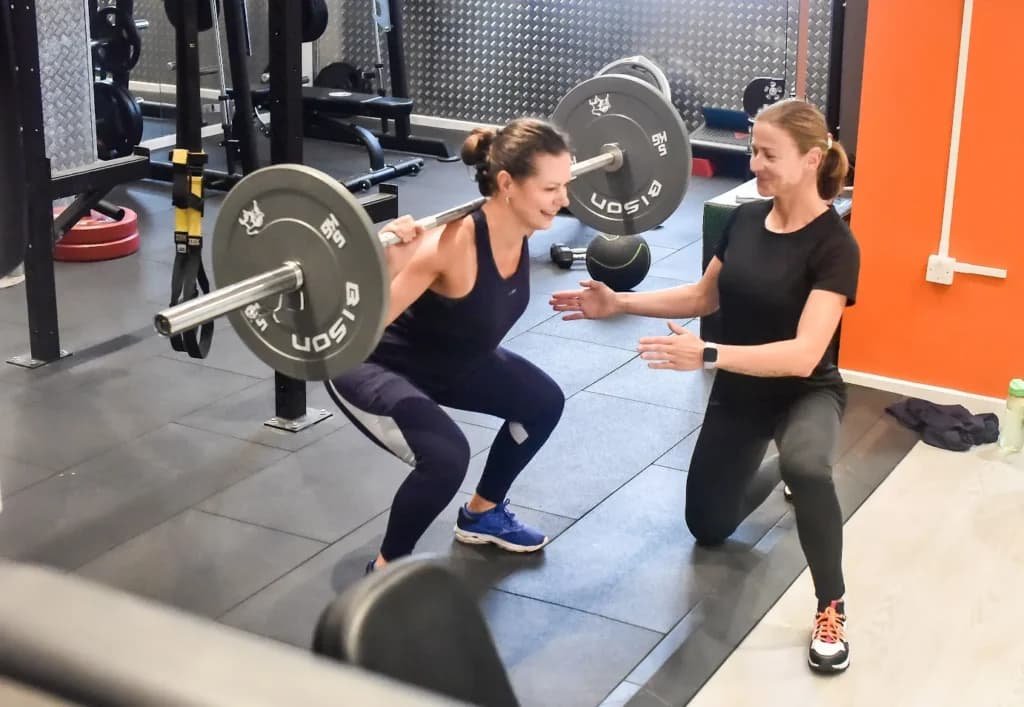
A qualified fitness professional can demonstrate exercises, correct positioning, and explain how to perform movements effectively. This guidance is particularly valuable for beginners who may feel uncertain about using gym equipment or performing unfamiliar exercises.
Benefits of Hiring a Personal Trainer in Manchester
Professional fitness coaching offers several advantages that extend beyond physical appearance. A well-planned training programme can support physical performance, confidence, and overall lifestyle improvements.
Improved Strength and Muscle Development
Strength training plays an important role in building muscle, supporting joint function, and improving everyday physical performance.
A structured programme may include exercises such as squats, lunges, presses, rows, and resistance-based movements. These exercises target different muscle groups and help develop balanced strength.
A trainer can also introduce progressive overload, which involves gradually increasing training demands as the body adapts. This may include adjusting resistance, repetitions, sets, or exercise difficulty.
The objective is to encourage consistent improvement without increasing training intensity too quickly.
Effective Weight Management
Weight management involves a combination of physical activity, nutritional habits, sleep, and consistency.
Personal training can help individuals establish sustainable exercise routines that support their weight management objectives. Depending on their fitness levels, programmes may include:
- Resistance training to develop muscle strength.
- Cardiovascular exercise to improve endurance.
- Interval training where appropriate.
- Full-body workout sessions.
- Mobility exercises and active recovery.
However, successful weight management should not depend on exercise alone. Balanced nutrition, appropriate energy intake, and sustainable daily habits are equally important.
Better Cardiovascular Fitness
Cardiovascular exercise supports heart and lung function while improving endurance.
Activities such as walking, cycling, jogging, rowing, and circuit training can be incorporated into a personalised programme.
A trainer can help determine suitable exercise intensity and gradually increase activity levels. This allows individuals to improve stamina without placing unnecessary demands on their bodies.
Greater Motivation and Accountability
Maintaining a regular exercise schedule can be challenging, particularly when balancing work, family responsibilities, and personal commitments.
Working with a Personal Trainer Manchester can introduce structure and accountability into your routine. Scheduled sessions create a clear commitment, while regular feedback helps you recognise improvements and stay motivated.
Furthermore, having someone monitor your progress can make it easier to remain consistent during periods when motivation naturally decreases.
What to Expect From a Personal Training Session
Understanding how a typical training session works can help beginners feel more comfortable before getting started.
Although individual approaches vary, most professional sessions follow a structured process designed around the client’s objectives.
Initial Fitness Assessment
The first stage generally involves discussing your goals, exercise history, and current fitness capabilities.
Depending on the programme, an assessment may include:
- General fitness and activity history.
- Basic strength and endurance checks.
- Mobility and movement assessment.
- Discussion of previous injuries or limitations.
- Identification of short-term and long-term goals.
This information provides a starting point for developing an appropriate training programme.
Warm-Up and Preparation
A proper warm-up prepares the body for physical activity. It gradually increases circulation, raises muscle temperature, and helps prepare joints for movement.
A warm-up might involve light cardio, dynamic stretches, mobility drills, and movements related to the planned exercises.
The duration and intensity should reflect the workout that follows.
Structured Workout
The main training section focuses on exercises selected according to your objectives.
For example, a strength-focused session may include resistance exercises targeting major muscle groups. Someone working on endurance may spend more time on cardiovascular activities.
A trainer can adjust repetitions, resistance, rest periods, and exercise variations according to performance and ability.
Cool-Down and Progress Review
After the workout, lighter activity and appropriate stretching may help the body return gradually towards its resting state.
The trainer may also review your performance, discuss challenges, and identify adjustments for future sessions.
Regular progress reviews help ensure that the programme remains relevant as your fitness develops.
Different Types of Personal Training Programmes
Fitness coaching is not limited to one particular style of exercise. Different programmes address different objectives, making it important to choose an approach that suits your requirements.
Weight Loss Training
Weight management programmes generally combine resistance training, cardiovascular exercise, and sustainable activity habits.
The aim is to improve physical fitness while supporting a balanced approach to energy expenditure and nutrition.
Strength and Conditioning
Strength and conditioning programmes focus on improving muscular strength, movement quality, endurance, and physical performance.
They may benefit individuals who want to become stronger, improve athletic performance, or develop better physical capabilities for everyday activities.
Muscle Building Programmes
Muscle-building routines typically involve progressive resistance training, appropriate recovery, and sufficient nutritional support.
Exercises are selected to target different muscle groups while allowing adequate recovery between demanding sessions.
Fitness Training for Beginners
Beginners often benefit from simple, manageable routines that develop confidence and establish good exercise habits.
A suitable programme may focus on basic movements, equipment familiarity, movement control, and gradual improvements in exercise capacity.
Starting with manageable sessions is generally more sustainable than immediately attempting demanding workouts.
How to Choose the Right Fitness Trainer
Selecting a suitable trainer is an important decision because the quality of guidance can influence your overall training experience.
Before committing to a programme, consider the following factors.
Qualifications and Professional Experience
Look for relevant fitness qualifications, appropriate insurance, and experience working with individuals who have similar goals.
In the UK, recognised professional training and registration can provide additional reassurance. You can also check whether a trainer maintains appropriate first-aid knowledge and professional development.
Do not hesitate to ask about their experience and training approach.
Communication and Training Style
A good trainer should communicate clearly, listen to your concerns, and explain the purpose of different exercises.
Some clients prefer energetic coaching, while others respond better to a calm and supportiveapproach. Finding a trainer whose communication style suits you can improve your overall experience.
Personalised Support
Avoid programmes that offer exactly the same routine to every client without considering their individual requirements.
Your training plan should reflect your abilities, preferences, schedule, and objectives.
Progress Monitoring
Reliable coaching should involve reviewing progress rather than simply repeating workouts.
A trainer may monitor improvements through strength measurements, exercise performance, endurance, movement quality, and other relevant indicators.
Remember that progress is not always reflected by changes in body weight. Improved stamina, better technique, and greater confidence are also meaningful achievements.
The Importance of Nutrition and Recovery
Exercise is only one part of an effective fitness routine. Nutrition and recovery are equally important for supporting physical development and maintaining healthy habits.
Maintaining Balanced Nutrition
A balanced diet provides the energy and nutrients needed to support training and everyday activities.
Important nutritional considerations include:
- Protein to support muscle repair and development.
- Carbohydrates to provide energy for exercise.
- Healthy fats for normal body functions.
- Fruits and vegetables for vitamins, minerals, and fibre.
- Sufficient water to maintain hydration.
Individual nutritional requirements vary according to activity levels, body composition, age, and personal health considerations.
For specialised dietary advice, consulting a registered dietitian or appropriately qualified nutrition professional is recommended.
Allowing Sufficient Recovery
Muscles and other body tissues need time to recover following demanding exercise.
Recovery can involve adequate sleep, rest days, hydration, balanced meals, and suitable adjustments to training intensity.
Overtraining without sufficient recovery may contribute to persistent fatigue, reduced performance, and increased injury risk.
A sustainable programme should therefore balance exercise with appropriate rest.
Common Personal Training Mistakes to Avoid
Even motivated individuals can make mistakes that slow their progress or create unnecessary difficulties.
Expecting Immediate Results
Fitness improvements take time. Changes in strength, endurance, body composition, and exercise performance happen at different rates.
Setting realistic expectations helps maintain motivation and encourages long-term consistency.
Ignoring Exercise Technique
Performing exercises with poor technique can reduce their effectiveness and increase the possibility of injury.
Learning correct movement patterns should take priority over lifting heavier weights or completing more repetitions.
Following Unsuitable Workout Plans
Online workouts can provide useful inspiration, but not every routine is appropriate for every individual.
A programme should reflect your current ability, goals, and recovery requirements.
Neglecting Rest and Recovery
Training harder every day does not necessarily produce better results. Adequate recovery allows the body to adapt to exercise demands.
A balanced weekly schedule should include appropriate rest and lower-intensity activity.
How Frontline Fit Performance Centre Supports Your Fitness Journey
Choosing the right fitness environment can make a meaningful difference when developing a consistent exercise routine. Frontline Fit Performance Centre focuses on helping individuals approach fitness with structure, purpose, and a commitment to improvement.
Whether your objective involves developing strength, improving stamina, managing weight, or becoming more physically active, professional guidance can help you understand the steps involved in reaching your goals.
A structured approach to coaching should prioritise individual requirements, appropriate exercise selection, and gradual progress.
Building Confidence Through Consistent Training
Confidence often develops through small achievements. Completing exercises with better technique, increasing resistance gradually, and becoming more comfortable with physical activity can all contribute to a positive training experience.
Regular coaching can also help individuals overcome uncertainty and establish routines that fit their everyday lives.
Creating Sustainable Fitness Habits
Long-term fitness success depends on habits that are realistic and manageable.
Rather than relying on short-term challenges or extreme exercise routines, individuals should focus on consistent activity, balanced nutrition, and sufficient recovery.
With the right support, exercise can become a regular part of everyday life rather than a temporary commitment.
Frequently Asked Questions About Personal Training
How Often Should I Work With a Personal Trainer?
The ideal frequency depends on your fitness goals, availability, experience, and budget. Some individuals benefit from one or two supervised sessions each week, while others prefer more frequent coaching. Your trainer can help establish a suitable schedule.
Is Personal Training Suitable for Beginners?
Yes. Personal training can be particularly useful for beginners because it provides structured guidance, exercise demonstrations, and support with developing correct techniques.
How Long Does It Take to See Fitness Results?
Results vary according to training consistency, exercise intensity, nutrition, recovery, and individual circumstances. Some improvements in exercise confidence and stamina may become noticeable within weeks, while significant strength and body composition changes generally require longer-term commitment.
Can Personal Training Help With Weight Loss?
Personal training can support weight management by introducing structured exercise, resistance training, and cardiovascular activities. However, sustainable results also depend on nutritional habits, daily activity, and other lifestyle factors.
What Should I Bring to a Personal Training Session?
Comfortable exercise clothing, suitable trainers, a water bottle, and a towel are useful items. Your trainer may provide additional guidance depending on the training environment and programme.
Conclusion
Developing better fitness requires commitment, suitable guidance, and a realistic approach to long-term improvement. From building strength and improving cardiovascular endurance to developing healthier routines, professional coaching can make the process more structured and manageable.
Choosing a Personal Trainer Manchester can help you understand your fitness requirements, learn appropriate exercise techniques, and work towards achievable goals with greater confidence. By combining personalised training, balanced nutrition, and sufficient recovery, you can create a routine that supports lasting improvements.
Frontline Fit Performance Centre can be a starting point for individuals looking to take a more organised approach to exercise and physical development. Focus on consistency, choose realistic targets, and make your health and fitness a priority through sustainable daily habits.