
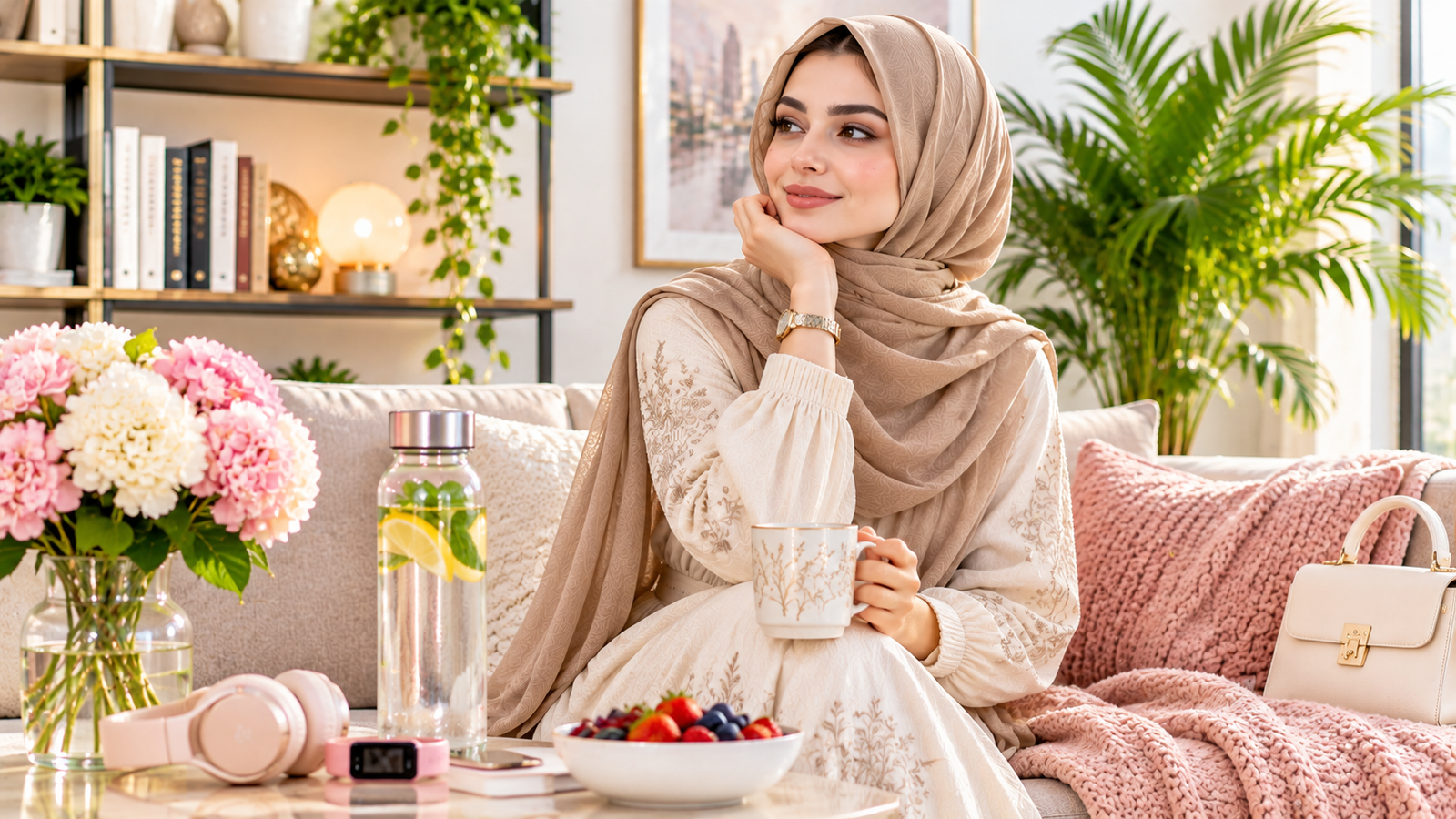
A good lifestyle is not defined by expensive clothing, a perfect home, or an impressive daily schedule. It is shaped by the choices people make to support their health, express their personality, and enjoy meaningful experiences. When everyday habits reflect personal values and practical needs, life can become more organized, comfortable, and rewarding.
A Top wellness magazine can inspire readers to explore healthier routines, discover self-care ideas, and learn practical ways to support their physical and emotional well-being. Yet a balanced life involves much more than following wellness trends. Personal style, relationships, home organization, and opportunities for growth all play important roles.
The most effective changes are often the simplest. Choosing nutritious meals, moving regularly, maintaining a comfortable environment, and making time for relaxation can gradually improve everyday experiences. Instead of trying to change everything overnight, focus on habits that are realistic and enjoyable enough to maintain.
1. Develop a Personal Style That Reflects You
Personal style is a way to communicate individuality through clothing, colors, accessories, and grooming. It can help people feel comfortable in their appearance while allowing them to express their preferences.
The first step is to understand what suits your daily routine. Someone working in a professional environment may need versatile formal clothing, while someone with a more relaxed schedule might prefer casual outfits and comfortable footwear.
Start with pieces that fit well and can be combined easily. Classic trousers, simple shirts, versatile outerwear, and understated accessories can create several looks without requiring an extensive wardrobe.
Experimenting with different combinations can also help you discover new ways to wear familiar items. You might pair a favorite shirt with different trousers or use accessories to introduce color.
Personal style should make daily life easier rather than create pressure to follow every trend. Choose clothing that reflects your personality and feels comfortable in different situations.
2. Shop More Thoughtfully
Shopping can be enjoyable, but purchasing items without considering their usefulness may lead to clutter and unnecessary expenses.
Before buying clothing, accessories, or home products, consider whether the item meets a genuine need. Think about its quality, practicality, maintenance requirements, and compatibility with things you already own.
For clothing, a useful approach is to identify gaps in your wardrobe before visiting stores. If you need an everyday jacket or comfortable shoes, focus on finding something suitable rather than buying several unrelated items.
It is also helpful to establish a spending limit. Planning purchases in advance can reduce impulse buying and make it easier to prioritize important expenses.
Thoughtful shopping does not mean avoiding everything enjoyable. It means choosing products that provide genuine value and contribute positively to your everyday life.
3. Build a Routine Around Your Priorities
A daily routine can help organize responsibilities and create time for activities that matter. However, a schedule should be flexible enough to accommodate unexpected events and changing needs.
Begin by identifying your most important priorities. These may include work, family responsibilities, physical activity, personal learning, or relaxation.
Arrange essential tasks around your usual energy levels. If you concentrate better in the morning, consider completing demanding work earlier in the day. Use quieter periods for reading, planning, or less demanding activities.
Avoid filling every minute with responsibilities. Leaving room for breaks can make your schedule more manageable and reduce the feeling of constant pressure.
A practical routine is not one that looks impressive on paper. It is one that helps you meet your responsibilities while leaving enough time to enjoy your life.
4. Make Healthy Eating Practical
Balanced nutrition supports general health and provides energy for everyday activities. Rather than following every popular diet, focus on eating a variety of foods and developing habits that fit your needs.
Include vegetables, fruits, whole grains, protein-rich foods, and suitable sources of healthy fats in your meals. Different foods provide different nutrients, so variety is useful.
Planning meals in advance can also make healthy eating easier. Preparing ingredients before a busy day may save time and help you avoid relying too heavily on convenient options.
You do not need elaborate recipes to eat well. Simple home-cooked meals using familiar ingredients can be nutritious and satisfying.
Remember that individual nutritional needs vary. Consider your preferences, budget, cultural traditions, and any advice provided by qualified health professionals when making dietary decisions.
5. Make Movement Part of Everyday Life
Physical activity can support mobility, strength, mood, and general health. However, staying active does not have to mean following an intense workout plan.
Walking, cycling, swimming, dancing, gardening, and stretching are all possible ways to add movement to your routine.
If you spend much of the day sitting, take regular breaks to stand, stretch, or walk around. You can also choose stairs when appropriate or take a short walk during a break.
Start at a comfortable level and increase activity gradually according to your abilities. Choosing an activity you enjoy can make it easier to continue.
The goal is to make movement a regular part of life rather than something you feel obligated to do occasionally.
6. Create a Home That Encourages Relaxation
Your home should be a place where you can complete daily tasks, spend time with others, and relax. A comfortable environment does not require expensive decorations or major renovations.
Begin by organizing frequently used areas. Keep everyday items accessible, remove unnecessary clutter, and arrange furniture to make movement easier.
Natural light, comfortable seating, plants, and simple decorative details can help create a welcoming atmosphere. You might also choose a quiet corner for reading or pursuing a hobby.
Maintaining your surroundings regularly can prevent small messes from becoming overwhelming. Spending a few minutes putting things away each day may be more manageable than attempting to organize everything at once.
An organized home can support convenience and comfort while making ordinary activities easier.
7. Protect Your Mental and Emotional Well-Being
Emotional well-being influences how people manage responsibilities, maintain relationships, and respond to difficult situations. Busy schedules, financial concerns, and constant digital interruptions can sometimes make everyday life feel overwhelming.
Creating time for relaxation is therefore an important part of a balanced routine.
Consider activities such as journaling, reading, listening to music, spending time outdoors, or practicing slow breathing. These activities can provide opportunities to pause and focus on the present.
It is also helpful to recognize personal limits. Taking a break, declining an unnecessary commitment, or asking for support can be appropriate ways to manage demanding periods.
If emotional difficulties persist or interfere with daily activities, speaking with a qualified professional can provide additional support.
8. Improve Your Sleep Habits
Sleep is an important part of overall well-being. Insufficient or inconsistent sleep may affect concentration, mood, energy, and the ability to manage everyday responsibilities.
Try to maintain a reasonably consistent bedtime and waking time. Create a comfortable sleeping environment that is quiet, dark, and suitable for rest.
A relaxing evening routine may also help. Consider reading, preparing clothes for the next day, or listening to calming audio instead of engaging in stimulating activities immediately before bed.
Pay attention to habits that interfere with sleep, including excessive late-night screen use or consuming caffeine too close to bedtime.
If sleep problems continue or significantly affect daily life, consult a healthcare professional for appropriate guidance.
9. Find a Healthy Balance With Technology
Technology helps people communicate, learn, work, and access entertainment. However, excessive screen use can distract from important tasks and reduce opportunities for rest or personal interaction.
Start by identifying which digital activities provide genuine value. You may need technology for work or education while choosing to reduce unnecessary scrolling.
Turning off nonessential notifications can make it easier to concentrate. Taking regular screen breaks and keeping devices away during meals may also improve daily habits.
Consider setting aside time for offline activities such as walking, reading, cooking, or spending time with family.
A healthy relationship with technology does not require avoiding digital devices altogether. It involves using them intentionally while protecting time for other aspects of life.
10. Learn From Fashion and Lifestyle Inspiration
Inspiration can help people discover new interests, experiment with personal style, and find practical ways to improve their surroundings.
A Top fashion magazine can introduce readers to seasonal trends, styling techniques, creative designs, and ideas for combining clothing in fresh ways.
The most useful inspiration is adaptable. You do not need to purchase every featured product or change your appearance whenever trends evolve.
Instead, identify ideas that fit your budget, preferences, and daily responsibilities. You might try a new color combination, reorganize your wardrobe, or adapt a styling idea using clothing you already own.
Using inspiration thoughtfully allows you to explore creativity without losing sight of your individuality.
11. Strengthen Relationships Through Everyday Attention
Meaningful relationships can contribute to happiness, connection, and emotional support. Spending quality time with family, friends, and supportive people helps create a sense of belonging.
Good communication involves listening carefully, expressing appreciation, and respecting different perspectives. Small actions often matter more than elaborate gestures.
Checking on someone, sharing a meal, offering practical help, or making time for a conversation can strengthen relationships.
It is equally important to maintain healthy boundaries. Respecting your own needs while considering the needs of others helps create balanced connections.
Make room for meaningful interactions even when your schedule becomes busy. Consistent attention can help relationships grow over time.
12. Continue Growing Through New Experiences
Personal growth involves discovering interests, developing skills, and learning from everyday experiences. It does not always require major achievements or dramatic life changes.
Reading regularly, learning a language, exploring creative hobbies, or improving professional skills can all contribute to development.
Choose goals that genuinely interest you and divide them into manageable steps. Practicing for fifteen minutes each day may be easier to maintain than attempting several hours of work occasionally.
Allow yourself to make mistakes. Progress often involves trying different approaches and learning what works best.
Personal development becomes more rewarding when it reflects your values rather than pressure to compete with other people.
Conclusion
A fulfilling lifestyle develops through small choices that support health, confidence, comfort, and happiness. Thoughtful shopping, balanced meals, regular movement, adequate rest, meaningful relationships, and personal growth can all contribute to a better everyday experience.
A Top lifestyle magazine can provide fresh perspectives on modern living, self-improvement, personal interests, and practical everyday habits. The most valuable ideas are those you can adapt to your own circumstances and maintain over time.
There is no need to transform every part of your life at once. Start with one achievable improvement, practice it consistently, and build on your progress as your needs change. By focusing on what genuinely matters, you can create a lifestyle that feels more balanced, confident, and rewarding.
Frequently Asked Questions (FAQs)
1. How can I improve my lifestyle on a budget?
Focus on affordable habits such as walking, cooking at home, organizing your space, reading, and maintaining a consistent sleep schedule.
2. How can I develop a personal style?
Choose comfortable clothing that reflects your personality, experiment with combinations you already own, and purchase versatile pieces thoughtfully.
3. What are some easy ways to improve daily wellness?
Regular movement, balanced nutrition, adequate sleep, relaxation, and supportive relationships are useful starting points.
4. How can I make my routine more organized?
Identify essential priorities, schedule important tasks, leave room for breaks, and adjust your routine when circumstances change.
5. Why is sleep important for everyday well-being?
Sleep supports concentration, mood, energy, and general health. Maintaining consistent sleep habits can help support daily functioning.
6. How can I reduce unnecessary screen time?
Turn off distracting notifications, take regular breaks, and replace some digital activities with offline hobbies or social interactions.
7. How can I stay motivated to improve myself?
Set realistic goals, recognize small achievements, and focus on steady progress rather than comparing yourself with others.