Introduction
The healthcare industry is rapidly evolving with the growth of digital technology. Pharmaceutical companies and healthcare organizations are adopting modern marketing strategies to connect with healthcare professionals (HCPs) more effectively. Traditional marketing methods, such as face-to-face meetings and printed materials, are no longer enough to meet the changing expectations of doctors, pharmacists, and other healthcare professionals. Today, digital platforms play an important role in providing relevant information and building stronger professional relationships.
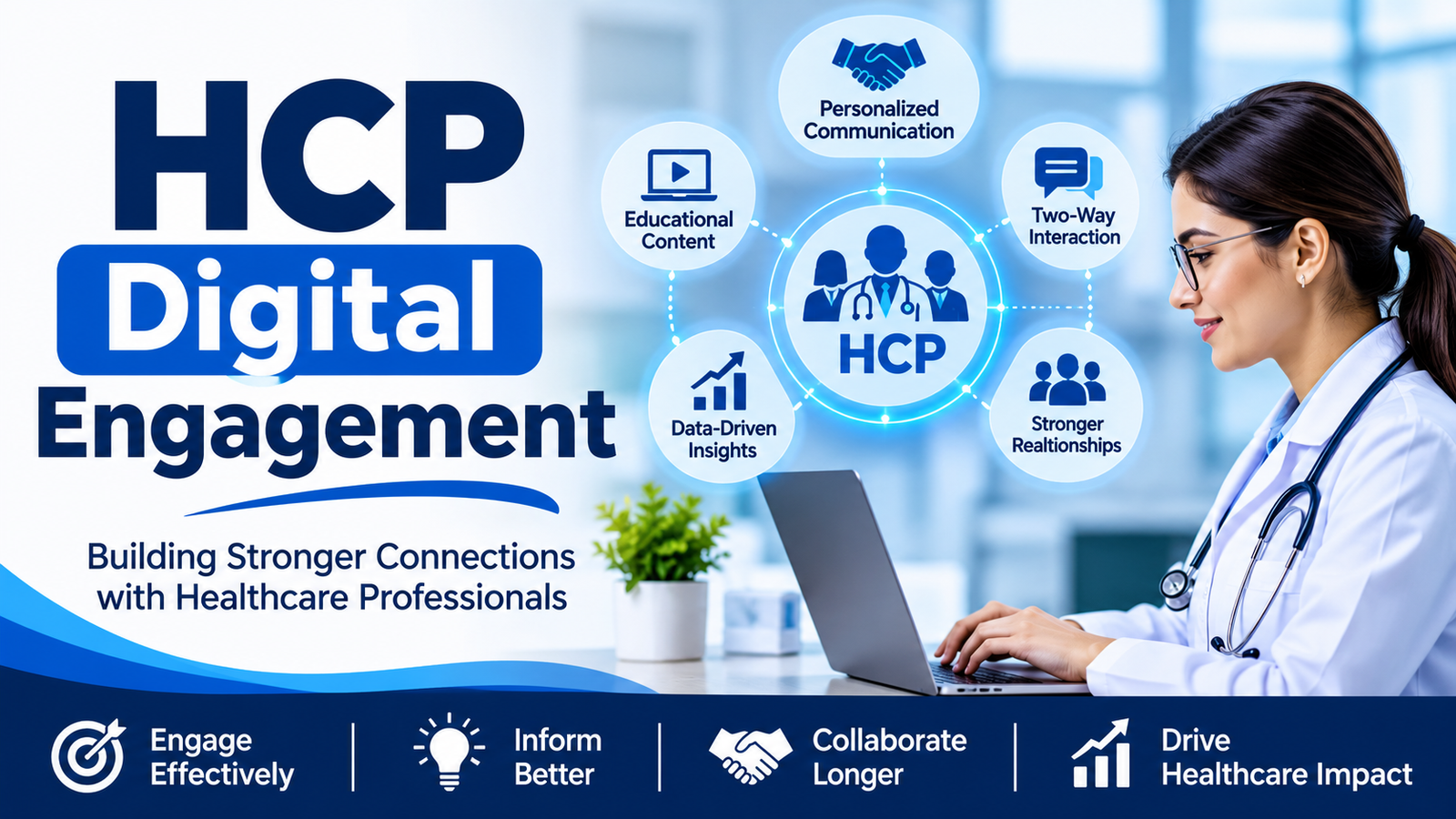
Omnichannel marketing is one of the most effective approaches to improving HCP digital engagement. It combines multiple communication channels, including email, websites, mobile applications, webinars, social media, and virtual meetings, to create a connected and consistent experience. This approach allows healthcare professionals to access useful information through their preferred channels while helping pharmaceutical companies deliver more personalized communication.
What Is Omnichannel Marketing in Healthcare?
Omnichannel marketing is a marketing strategy that connects different online and offline communication channels to provide a seamless customer experience. In healthcare, it focuses on delivering relevant medical information, educational resources, and product updates to healthcare professionals through multiple connected platforms.
Unlike multichannel marketing, where different platforms may operate independently, omnichannel marketing connects all communication channels. For example, a doctor might receive an educational email, visit a pharmaceutical company’s website, attend a webinar, and later receive relevant follow-up information through a mobile application.
This connected approach makes HCP digital engagement more convenient, consistent, and meaningful.
Why Omnichannel Marketing Is Important for HCP Digital Engagement
Healthcare professionals have busy schedules and different preferences for receiving information. Some prefer reading medical articles, while others prefer attending webinars or watching short educational videos. Omnichannel marketing helps pharmaceutical companies reach these professionals through suitable communication channels.
1. Provides a Consistent Communication Experience
Consistency is essential when communicating with healthcare professionals. Pharmaceutical companies can use omnichannel strategies to ensure that doctors receive consistent and accurate information across different platforms.
For example, the same medical information can be shared through an email newsletter, a website article, and a webinar. This helps healthcare professionals understand important updates without receiving conflicting messages.
2. Improves Personalized Communication
Personalization is an important part of successful HCP digital engagement. Omnichannel marketing allows pharmaceutical companies to understand healthcare professionals’ interests, preferences, and information needs.
Based on these preferences, companies can share relevant educational content, clinical research, product information, and medical updates. Personalized communication saves time and makes interactions more valuable.
3. Increases Healthcare Professional Accessibility
Healthcare professionals need quick and convenient access to reliable medical information. Omnichannel marketing makes it easier for them to access content whenever and wherever they need it.
Through websites, mobile applications, emails, and online learning platforms, doctors can explore relevant information without depending entirely on traditional meetings.
Key Channels Used in Omnichannel Marketing
Different communication channels work together to improve HCP digital engagement. Each platform serves a specific purpose and helps pharmaceutical companies build stronger relationships with healthcare professionals.
1. Email Marketing
Email marketing is one of the most widely used channels in pharmaceutical marketing. Companies can send newsletters, medical updates, clinical research findings, webinar invitations, and educational resources directly to healthcare professionals.
Personalized email campaigns help deliver relevant information and encourage doctors to explore additional educational content.
2. Healthcare Websites and Blogs
Websites and blogs provide a central platform for sharing valuable medical information. Pharmaceutical companies can publish research articles, treatment updates, educational resources, and product information.
Search engine optimization (SEO) also helps healthcare professionals discover relevant content through search engines. High-quality and medically reviewed content can improve website visibility and support better HCP digital engagement.
3. Social Media Platforms
Social media platforms help pharmaceutical companies share educational content and communicate with healthcare professionals. Professional platforms such as LinkedIn can support industry discussions, medical awareness campaigns, and educational updates.
Companies should ensure that their social media communication follows healthcare advertising regulations and privacy requirements.
4. Webinars and Virtual Meetings
Webinars and virtual meetings allow healthcare professionals to interact with medical experts, researchers, and pharmaceutical representatives.
These platforms provide opportunities to discuss new research, treatment developments, and medical innovations. Live question-and-answer sessions also encourage meaningful professional interaction.
5. Mobile Applications
Mobile applications make medical information more accessible. Healthcare professionals can use these applications to access educational materials, clinical updates, product information, and professional learning resources.
Mobile platforms also support timely communication and convenient access to important information.
How Omnichannel Marketing Improves HCP Engagement Strategies
An effective omnichannel strategy requires more than simply using different digital platforms. Pharmaceutical companies must connect these channels and create meaningful experiences for healthcare professionals.
1. Understanding HCP Preferences
The first step is understanding how healthcare professionals prefer to receive information. Companies can analyze engagement patterns, feedback, and content preferences to identify the most useful communication channels.
This information helps marketers develop relevant campaigns that match professional interests.
2. Creating Valuable Educational Content
Content plays an important role in HCP digital engagement. Pharmaceutical companies should focus on creating educational and informative materials rather than relying only on promotional messages.
Useful content may include clinical study summaries, medical research articles, expert interviews, treatment guidelines, and educational videos. All medical content should be accurate, evidence-based, and appropriately reviewed.
3. Connecting Online and Offline Experiences
Omnichannel marketing combines digital communication with traditional interactions. For example, a pharmaceutical representative can introduce a medical topic during an in-person meeting and share additional educational resources through email afterward.
This creates a connected experience and helps maintain professional relationships.
4. Using Data and Analytics
Data analytics helps companies understand which communication channels and content formats generate better engagement.
Marketers can measure email open rates, website visits, webinar attendance, content downloads, and interaction rates. These insights help improve future campaigns and make marketing activities more effective.
Challenges of Omnichannel Marketing in Healthcare
Although omnichannel marketing offers several benefits, pharmaceutical companies may face challenges while implementing it.
1. Data Privacy and Security
Healthcare communication involves sensitive professional and sometimes patient-related information. Companies must follow applicable privacy regulations and ensure that personal data is collected, stored, and used responsibly.
2. Maintaining Consistent Information
Managing content across multiple platforms can be difficult. Companies need clear communication guidelines and proper content review processes to ensure that all shared information remains accurate and consistent.
3. Technology Integration
Different marketing platforms may use separate systems, making it challenging to connect customer information and communication activities. Integrated technology solutions can help create a smoother omnichannel experience.
4. Measuring Engagement Effectively
Tracking performance across multiple channels can be complicated. Companies need suitable analytics tools and clear performance indicators to understand whether their campaigns are achieving their objectives.
Future of Omnichannel Marketing in HCP Digital Engagement
The future of omnichannel marketing will be influenced by artificial intelligence, automation, advanced analytics, and personalized digital experiences.
Artificial intelligence can help pharmaceutical companies understand content preferences and recommend relevant educational resources. Marketing automation can support timely follow-ups, while advanced analytics can provide deeper insights into healthcare professional interactions.
In addition, virtual learning platforms, interactive educational content, and digital medical communities are expected to create new opportunities for professional communication.
As technology continues to develop, companies will need to focus on building trusted relationships, providing useful information, and maintaining responsible communication practices.
Conclusion
Omnichannel marketing is transforming how pharmaceutical companies communicate with healthcare professionals. By connecting email marketing, websites, social media, webinars, mobile applications, and traditional interactions, companies can create a consistent and personalized communication experience.
An effective omnichannel strategy improves accessibility, delivers relevant educational information, and strengthens professional relationships. It also helps pharmaceutical marketers understand healthcare professionals’ preferences and measure campaign performance more effectively.
Ultimately, successful HCP digital engagement is not just about using multiple marketing channels. It is about connecting those channels to provide meaningful, accurate, and valuable experiences. Pharmaceutical companies that adopt well-planned omnichannel strategies will be better positioned to build trust, improve communication, and support the changing needs of healthcare professionals.